How Bitcoin's Adoption in India Risks Business Data?
Explores how Bitcoin's rise in India may affect business data security, compliance, and operational transparency.

As more businesses in India begin adopting Bitcoin, protecting their business data becomes a crucial concern. Although Bitcoin enables fast, faster payments through a decentralized system, it also introduces risks related to data security, privacy, and regulatory compliance.
This is particularly important given that regulations around digital assets in India are still evolving. Companies using crypto need to prioritize effective data management, robust security measures, and adherence to regulations to safeguard their operations and reputation.
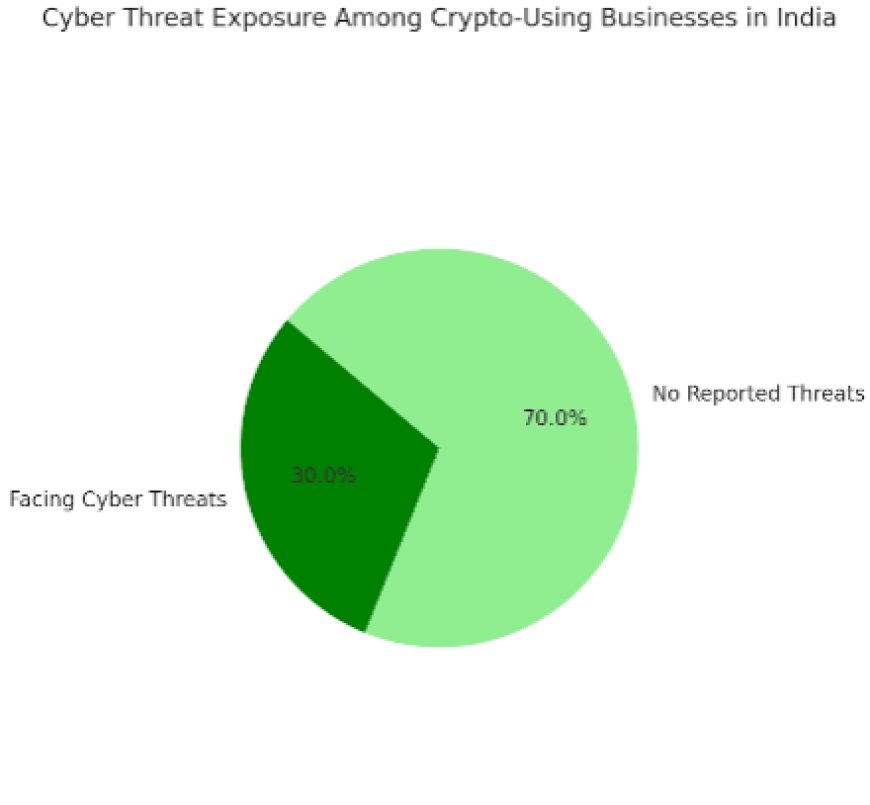
Recent studies show that 30% of crypto-using businesses in India face cyber threats, emphasizing the need for robust protection.
Understanding Bitcoin Trends in India
Bitcoin adoption in India is growing rapidly, with the country ranking among the top nations in crypto user numbers, according to Chainalysis and other global reports.
Key factors contributing to this growth include:
-
Demand for alternative investment options
-
Increased use of digital wallets and decentralized platforms
-
Need for faster cross-border payments without banking delays
-
Rising awareness of blockchain-based financial systems and how the blockchain and IoT drive business efficiency
India’s startups, freelance workforce, and technology sectors are adopting Bitcoin for its efficiency and broad accessibility. Alongside this growth, businesses face challenges related to regulation, compliance, and data protection that require careful attention.
Why Indian Businesses Use Bitcoin
For Indian businesses, Bitcoin serves as more than just a currency; it is a strategic financial tool.
Common reasons for adoption include:
-
Faster, cost-effective cross-border transactions compared to SWIFT and traditional forex
-
Diversified treasury management by holding part of reserves in digital assets
-
Improved customer perception as an innovative, forward-thinking company
-
Peer-to-peer payment flexibility is ideal for freelancers, consultants, and global contractors
Examples:
-
A design agency billing US clients may use Bitcoin to avoid banking delays and foreign exchange losses.
-
A tech startup may accept crypto to expand funding options and attract international investors.
However, these benefits come with important responsibilities:
-
Proper wallet management and secure custody of private keys
-
Compliance with tax regulations for virtual digital assets (VDAs)
-
Transparent transaction recording in business ledgers
-
Selecting platforms that adhere to KYC and AML standards
How Crypto Impacts Business Data Privacy
Bitcoin’s blockchain is public, permanent, and pseudonymous. While it doesn’t reveal names or company identities directly, repeated transactions can still link wallet addresses to business activity. For any business using Bitcoin in India, this creates privacy concerns that are often overlooked.
Primary Risks in Crypto Data Privacy:
-
Transaction trails: Anyone can view the amount, time, and destination of Bitcoin transfers
-
Metadata exposure: IP addresses, login sessions, and wallet IDs may be tracked by exchanges
-
Third-party platforms: Some services store sensitive KYC data on foreign servers, creating cross-border privacy risks
To understand how serious this can get, consider the recent issue of CoinDCX, a major crypto exchange in India. Hackers accessed the company’s internal wallet by compromising an employee’s login credentials. Over ₹370 crore worth of Bitcoin and other assets were moved. While customer funds were safe, the breach exposed weak internal security and the risk of relying on digital systems where access points and metadata can be misused.
For businesses using crypto, this is a real lesson. Public blockchains and third-party tools can put sensitive business data at risk if not properly protected. The best way to manage this is by:
-
Using compliant exchanges that follow Indian or global data privacy laws
-
Keeping internal and client wallets separate
-
Monitoring transactions through blockchain tools
-
Encrypting backups and training staff in basic cyber hygiene
Even though Bitcoin brings flexibility, it also demands a new level of responsibility, especially when it comes to data privacy.
Bitcoin vs Traditional Payment Methods in India
|
Traditional Payments |
Bitcoin |
|
Slow, can take several days |
Fast, almost instant |
|
Higher fees, especially for international payments |
Usually low fees |
|
Limited to banks and locations |
Works worldwide |
|
Depends on banks and systems |
Secure, uses encryption |
|
Transactions are private |
Transactions are public |
|
Well-established regulations |
Rules and laws are still changing |
|
Payments can be canceled or refunded |
Payments cannot be reversed |
How to Protect Crypto with Cybersecurity
Crypto introduces unique cyber risks, especially related to wallets, private keys, and phishing attacks. To secure your business assets, follow these key steps:
-
Use Cold Wallets
Store long-term holdings in hardware wallets (cold storage) rather than online wallets for enhanced security.
-
Secure Private Keys
Treat private keys like critical passwords. Keep them offline and use multi-signature (multi-sig) access when possible.
-
Enable 2FA and Biometric Locks
Activate two-factor authentication and restrict wallet access on company devices.
-
Use Compliant Platforms
Select exchanges and wallet services that comply with AML, KYC, and Indian data regulations.
-
Train Your Team on Cyber Hygiene
Educate employees about phishing, scam links, and identity impersonation risks.
-
Maintain a Transaction Log
Record all cryptocurrency transactions with INR conversions and invoice references for tax and audit purposes. This helps reduce exposure to Cybersecurity Risks in the Cryptocurrency Market.
FAQs
1. Is Bitcoin legal in India?
Bitcoin is classified as a digital asset. Buying, selling, and holding Bitcoin through registered platforms is allowed under current regulations, with compliance and tax rules to follow.
2. What are the challenges of Bitcoin adoption in India?
Challenges include evolving regulations, taxation, cybersecurity risks, limited awareness, and data privacy concerns for businesses and individuals.
3. Is Bitcoin safe to use in India?
Bitcoin can be used securely by following best practices such as secure wallets, two-factor authentication, and vigilance against scams.
4. How do businesses secure Bitcoin transactions?
Businesses secure Bitcoin with offline wallets, private key protection, multi-factor authentication, detailed transaction logs, and regular security audits.
5. What is the tax rate on Bitcoin in India?
Income from Bitcoin is taxed at 30%, with a 1% Tax Deducted at Source (TDS) on transactions, as per current digital asset tax regulations.
Bitcoin brings opportunities and, at the same time, risks for Indian businesses. To protect data and comply with regulations, use strong cybersecurity practices and reliable platforms. This helps businesses safely use Bitcoin while minimizing potential threats.
Secure your crypto transactions and protect business data.
Contact us at [email protected] to get expert crypto security support.