Security Services in Information Security
Learn about essential security services in information security, including data protection, risk management, and network security strategies.

Do you know if your business data is really safe?
Every day, cyber threats are growing, and your business could be at risk of data theft, system crashes, or financial losses. Even a small security gap can cause big problems.
This is where security services in information security make a real difference.
They help keep your important information safe, protect your networks, and stop hackers from causing harm. Using tools like firewalls, antivirus programs, data encryption, and real-time monitoring, these services keep a close eye on anything unusual. Without them, your business could lose valuable data, face money loss, or harm its reputation.
Security services do more than just block attacks. They help prevent data theft, reduce downtime, and make sure your business keeps running smoothly. By using them, you can also show your customers that their personal and financial information is safe and build trust that lasts.
What Are Security Services in Information Security?
Security services refer to the mechanisms or processes designed to protect information systems from a range of security risks. These services work to maintain the confidentiality, integrity, and availability (CIA) of data, ensuring that only authorized individuals can access and modify sensitive information.
At its core, information security services are built upon fundamental pillars known as the CIA triad:
-
Confidentiality: Ensures that information is only accessible to those who have been granted permission.
-
Integrity: Ensures that data remains unchanged and accurate, protecting it from unauthorized modifications.
-
Availability: Guarantees that data and systems are accessible when needed by authorized users.
Key Types of Security Services
Security services encompass a range of specialized processes that enhance the safety and reliability of information systems. Here are the five primary security services essential for a secure infrastructure:
Authentication
Authentication is the process of verifying the identity of users attempting to access a system. This ensures that only legitimate users can gain access to sensitive information. There are several methods of authentication:
-
Passwords/PINs: The most basic form of authentication.
-
Biometrics: Including fingerprint scanning, facial recognition, and retina scans.
-
Two-Factor Authentication (2FA): A more secure option that combines two different forms of verification, typically a password and a mobile authentication code.
Authorization
Authorization determines the access levels and permissions of authenticated users. Once a user is authenticated, authorization ensures they only have access to the resources and information that they are permitted to use. Authorization can be role-based (RBAC), discretionary (DAC), or mandatory (MAC), depending on organizational needs.
Confidentiality
Confidentiality is the practice of ensuring that information is not disclosed to unauthorized individuals. This is typically enforced through encryption, which converts data into a form that is unreadable without a decryption key. Maintaining confidentiality is crucial for sensitive information such as customer data, financial records, and proprietary research.
Integrity
Integrity involves safeguarding the accuracy and completeness of information. Security measures such as hashing and checksums can verify that data has not been altered during transit or storage. Ensuring integrity prevents tampering and assures the recipient that the data is reliable.
Non-repudiation
Non-repudiation guarantees that actions taken on a system can be verified and attributed to the person who initiated them. Digital signatures and logging are essential for non-repudiation, ensuring that parties cannot deny their involvement in a transaction or communication.
Why Are Security Services Important?
Security services are essential for several reasons, particularly in the current interconnected world, where data breaches, ransomware attacks, and insider threats are ever-present risks. Here’s why they are critical:
-
Protection of Sensitive Data:
Security services help businesses protect sensitive information from unauthorized access, which could result in financial loss, reputation damage, and legal consequences. Partnering with experts in security testing services can help identify potential vulnerabilities early and ensure stronger defense mechanisms.
-
Compliance with Regulations:
Many industries, such as finance and healthcare, have strict regulatory requirements (e.g., GDPR, HIPAA). Security services help organizations maintain compliance and avoid hefty penalties. -
Business Continuity:
Without proper security services, a cyber attack or data breach can lead to downtime and loss of productivity. Security services are essential for ensuring the continued availability and operation of business systems. -
Preventing Financial Loss:
A single data breach can cost businesses millions. Implementing robust security services can significantly reduce the risk of such financial loss.
Security Services in Practice
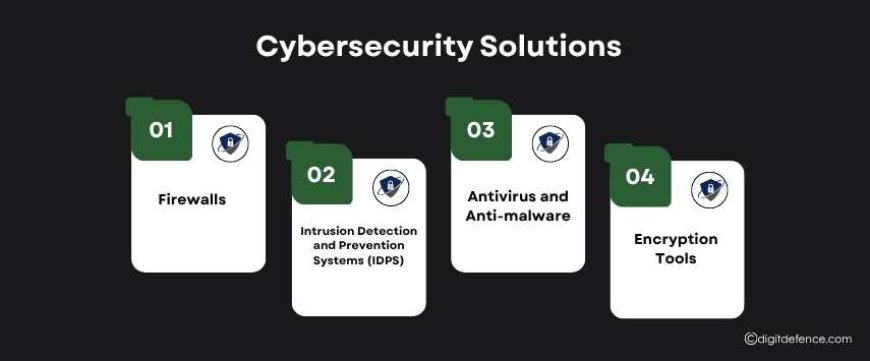
Cybersecurity Solutions
Organizations implement various cybersecurity solutions to protect their digital infrastructure. Some common tools include:
-
Firewalls: Serve as the first line of defense by filtering incoming and outgoing network traffic based on predetermined security rules.
-
Intrusion Detection and Prevention Systems (IDPS): Monitor network traffic for malicious activities and respond in real-time to potential threats.
-
Antivirus and Anti-malware: Protect against malicious software that could compromise system integrity and performance.
-
Encryption Tools: Ensure that data, whether in transit or at rest, is only accessible to authorized individuals.
Physical Security Integration
While digital threats dominate the cybersecurity environment, physical security remains an important component of information security. This includes measures like:
-
Secured Access Control Systems: To restrict physical access to sensitive areas.
-
Surveillance Systems: To monitor activity and prevent unauthorized access.
-
Data Center Security: Physical protection of servers and data storage equipment, which may include biometric access controls, fire suppression systems, and environmental monitoring.
Best Practices for Implementing Security Services
For organizations looking to strengthen their security actions, adopting best practices can ensure the effectiveness of security services:
-
Conduct Regular Security Audits: Regularly assessing and reviewing security policies and tools is essential to identify vulnerabilities before they can be exploited.
-
Employee Training and Awareness: Human error is often the weakest link in security. Comprehensive employee training can help prevent phishing attacks, social engineering, and other insider threats.
-
Use of Multi-Factor Authentication: Implementing MFA can significantly reduce the risk of unauthorized access, as it requires more than just a password to verify a user’s identity.
-
Continuous Monitoring: Real-time monitoring of network activities helps detect and mitigate security breaches before they escalate into significant issues.
-
Regular Updates and Patch Management: Ensuring that all software, firmware, and hardware are up to date prevents vulnerabilities that could be exploited by attackers.
Challenges in Security Services
While security services provide essential protections, they are not without their challenges:
-
Rising Online Threats: Cybercriminals continuously develop new techniques to bypass security systems, making it difficult for security services to keep up.
-
Complexity of Implementation: Integrating comprehensive security services into existing systems can be complex and resource-intensive.
-
Balancing Security and Usability: Implementing too many security layers can affect user experience, potentially reducing productivity or causing employee resistance.
-
Cost of Security Solutions: High-quality security services can be expensive, challenging small and medium-sized businesses with limited budgets.