Protect Your Business from Cyber Crime Phishing Attacks
Protect your business from cyber crime phishing attacks with proven strategies. Secure your data, prevent breaches, and safeguard your reputation today!
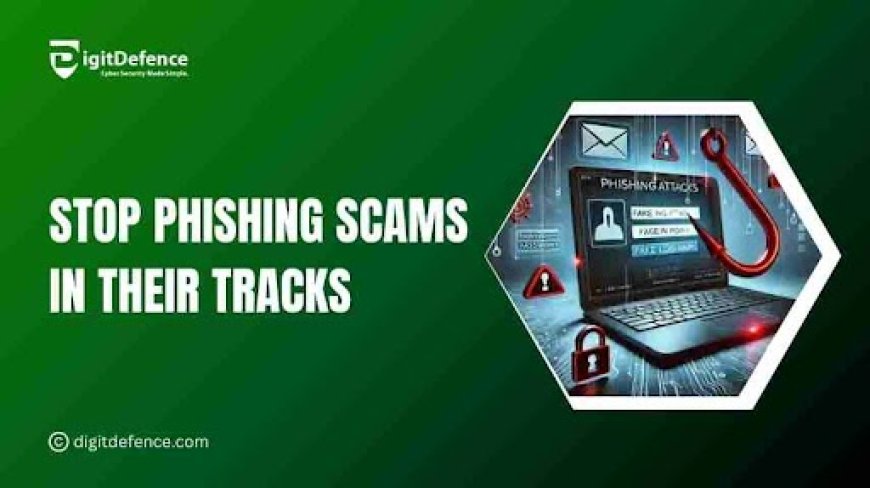
How sure are you that your business is safe from cybercrime phishing attacks?
What if an email could take down your whole network? A growing number of businesses rely on digital channels, which makes cyber crime phishing one of the biggest threats to your data security and your ability to remain operational. Phishing can create breaches, financial losses, and reputational harm if not taken seriously. With the rise in sophistication of cyber crime phishing attacks and the goal to protect your business against such threats, you should value the importance of protecting your organization.
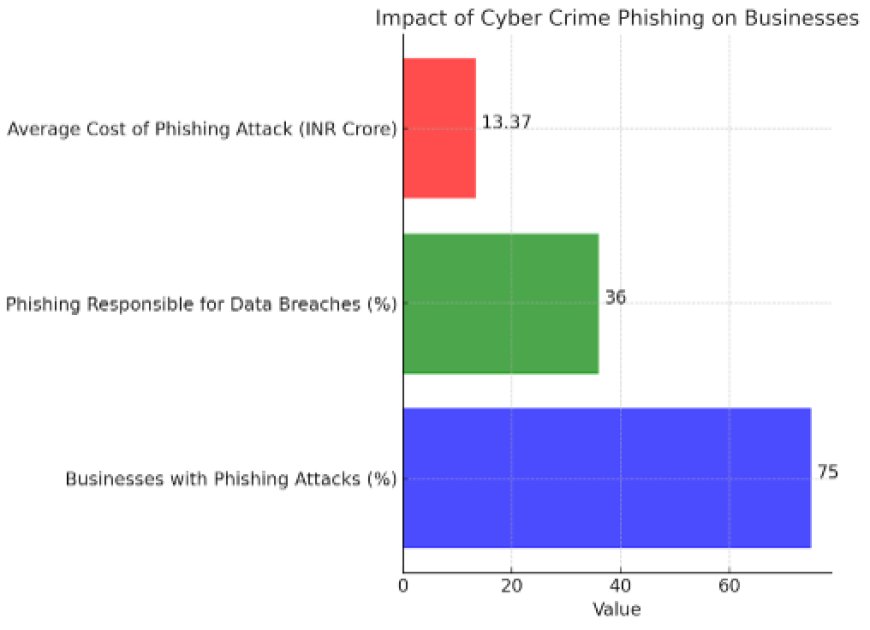
Statista states that more than 75% of businesses across the globe had some type of phishing attack in the past year. Verizon's 2021 Data Breach Investigations Report indicates phishing is responsible for 36% of data breaches, making it the most common type of cyber attack. According to Ponemon Institute, businesses that were spammed with phishing attacks from cybercrime experienced an average expense of ₹13.37 crore per attack. The statistics show that cybercrime phishing is a prevalent problem that is costly for every business.
A sophisticated phishing scheme stole more than ₹ 8,355 million from Google and Facebook. The hacker impersonated a legitimate vendor and used fake invoices to convince employees of both companies to wire huge amounts of money. He did this by impersonating a global hardware supplier and forging email communications that appeared to be from reputable sources.
The attackers took advantage of human error, specifically with employees who trusted the fraudulent emails and ultimately authorized the transfers. Initially, both companies did not see the scam because the phishing emails were authentic-looking and very similar to actual correspondence.
Both companies responded by tightening their internal security systems and authentication systems. They also improved their internal Phishing awareness around cyber crime and launched a series of internal educational events to identify phishing threats. Both companies also moved to multi-factor authentication (MFA) to carry out any financial transactions. Both companies also implemented better scrutiny of wire transfers.
What is Cyber Crime Phishing?
Phishing in cybercrime is a type of online theft when attackers impersonate legitimate organizations or trusted individuals to get victims to give them information that is sensitive, like login credentials, financial information, or personal information. Phishing attacks can occur via different channels, including email, text message (smishing), phone call (vishing), and social media.
What sets phishing apart from other types of scams is its deceptive nature the hacker creates messages that feel legitimate, often mimicking reputable brands or even messages from the company the user is working for. Once the victim interacts with the malicious message, they will typically be led to a fake website or malicious file that is intended to steal information or deploy malware.
Why Is Cyber Crime Phishing a Threat to Your Business?
-
Financial Losses
Phishing attacks often lead to substantial financial losses. Attackers can gain access to sensitive financial accounts, leading to unauthorized transactions or stealing corporate funds. A Business Email Compromise (BEC) scam, a type of phishing, can lead to the fraudulent transfer of large sums of money from company accounts.
-
Data BreachesSensitive information, such as customer data, intellectual property, or employee records, can be stolen through phishing. This can lead to data breaches, compromising the privacy of your clients and employees. Data breaches can severely damage your business reputation and result in legal consequences if you fail to protect customer data.
-
Brand Damage
Victims of cyber crime phishing attacks can suffer long-term reputational harm. If your customers believe that your company is vulnerable to such attacks, they may lose trust and take their business elsewhere. Even a single breach can damage your brand's credibility and customer loyalty.
How Can You Protect Your Business from Cyber Crime Phishing?
-
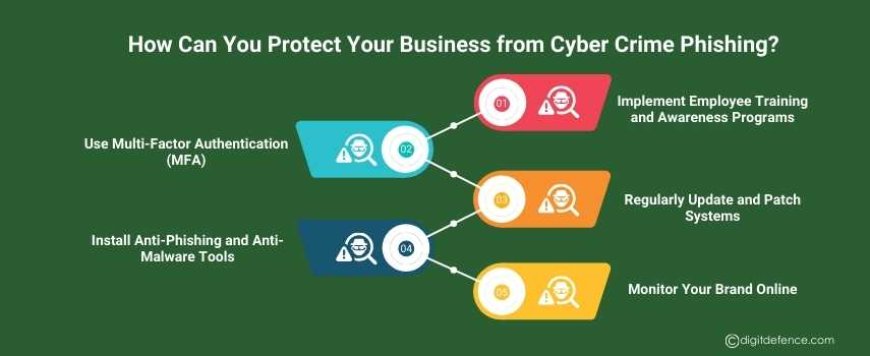
Implement Employee Training and Awareness Programs
The first line of defense against cyber crime phishing is your employees. Many phishing attacks succeed because employees fail to recognize suspicious emails or messages. Regular training on how to identify phishing emails and what steps to take can drastically reduce the risk of an attack. Employees should be educated on:
-
Recognizing suspicious email senders or domains
-
Avoid clicking on unverified links or downloading attachments
-
Verifying email requests for sensitive information with the person or organization directly
-
Use Multi-Factor Authentication (MFA)
Even if a phishing attack succeeds in stealing login credentials, multi-factor authentication (MFA) can add an extra layer of protection. With MFA, users are required to provide additional verification, such as a one-time passcode (OTP) sent to their phone or using biometric identification, to access accounts. This significantly reduces the chances of unauthorized access, as attackers would need more than just stolen credentials to breach your systems.
-
Regularly Update and Patch Systems
One of the most effective ways to prevent cyber crime phishing is to ensure that your company’s software is up-to-date with the latest security patches. Cybercriminals often exploit vulnerabilities in outdated systems to execute phishing attacks or deliver malware. Make sure that your operating systems, applications, and email platforms are regularly updated and secure.
-
Install Anti-Phishing and Anti-Malware Tools
Many advanced cyber crime phishing attacks come with malicious attachments or links that lead to infected websites. Anti-phishing and anti-malware software can help protect your business by identifying and blocking suspicious content before it reaches your employees. These tools can scan emails and websites for known threats and warn users before they engage with harmful content.
-
Monitor Your Brand Online
Monitoring your brand’s online presence is essential to detect phishing attempts that impersonate your business. Cybercriminals often create fake websites or social media profiles to trick customers into entering their personal information. By regularly checking for fraudulent accounts and websites, you can quickly take action to report and shut them down, preventing harm to your reputation.
Phishing, a cyber crime, is an increasingly serious threat to organizations of all sizes. The potential financial, reputational, and operational impacts can be devastating, however, organizations can take a multi-faceted approach that will help combat some of the risks, including employee training, enabling multi-factor authentication, timely system updates, and using anti-phishing tools.
Ready to protect your business from cyber crime phishing? Reach out to us today at [email protected] so you can learn more about how our professional cybersecurity services can protect your business.