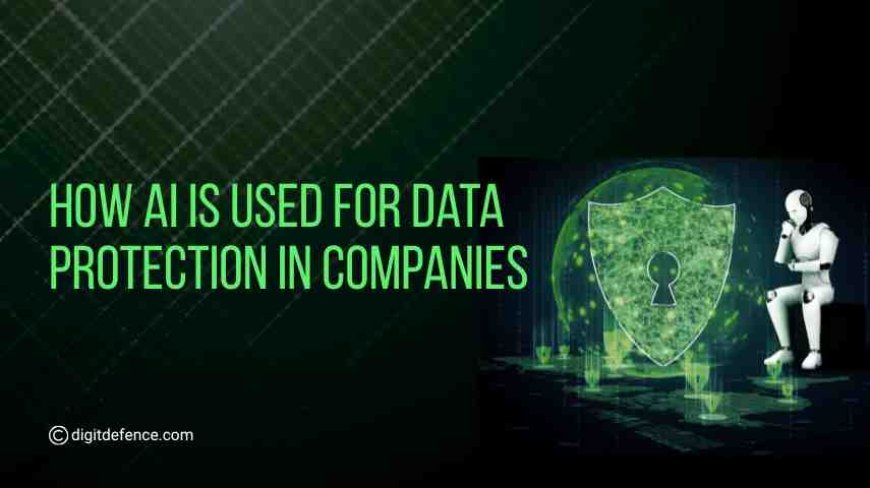
How AI is used for Data Protection in Companies
Learn how companies protect sensitive data using smart tools, detect risks, prevent breaches, and keep business and employee information safe.
Companies handle a lot of sensitive information every day, including customer details, financial records, employee data, and business secrets. But how safe is this information?
If someone were to hack into your systems, they could steal important files, change records, or leak private information. This is why data protection is so important , it keeps your business, clients, and employees safe from cyber threats.
Data protection means using smart tools and strong practices to watch over your systems, spot unusual activity, and stop problems before they can cause damage.
Understanding Data Protection in Companies
Data protection means keeping a company’s important information safe. This includes customer details, financial records, employee information, and business secrets. Protecting this data helps companies avoid money loss, legal problems, and damage to their reputation. Today, cyber threats are more advanced, so companies need smart tools and careful practices to watch for risks and keep their data safe.
How AI Protects Company Data
AI protects data by monitoring, detecting, and responding to threats in real time. Here’s how it works:
1. Threat Detection and Prevention
AI monitors network activity, user behavior, and access patterns to spot unusual activity. For example:
-
Large downloads of sensitive files
-
Login attempts from unexpected locations or devices
-
Unauthorized access to restricted areas
When AI detects suspicious activity, it alerts security teams or blocks it automatically.
2. Automated Risk Analysis
AI scans systems for vulnerabilities like:
-
Weak passwords
-
Outdated or unpatched software
-
Unsecured applications
It prioritizes risks and recommends actions, helping IT teams fix the most critical issues first.
3. Data Classification and Encryption
AI automatically identifies sensitive data and applies encryption and access controls. Only authorized users can access critical files, reducing the chance of accidental leaks or insider threats.
4. Fraud Detection
In sectors like finance and e-commerce, AI spots unusual transactions, multiple login attempts, or sudden changes in spending behavior, helping prevent fraud before it causes loss.
5. Incident Response and Recovery
If a breach occurs, AI can:
-
Isolate affected systems
-
Block malicious IP addresses
-
Restore secure backups
This minimizes damage and ensures business continuity.
6. Predictive Security
AI analyzes historical data to predict potential attacks. Companies can proactively strengthen defenses rather than react after a breach.
AI Tools for Data Protection
Companies can use smart tools to keep their data safe. These AI tools help monitor systems, detect unusual activity, and stop threats before they cause damage. Some common types include:
-
AI Firewalls: Check all incoming and outgoing data for anything suspicious.
-
Intrusion Detection Systems (IDS): Spot unusual activity in networks.
-
User Behavior Tracking: Watch how employees or devices use data and flag anything strange.
-
AI Anti-Malware: Find harmful files or programs even if they are new or unknown.
-
Compliance Tools: Make sure the company follows rules like GDPR or HIPAA.
Using these tools together creates a strong safety net to protect sensitive information.
Tips to Use AI for Data Security
Using AI to protect data works best when combined with smart practices. Here are some tips for companies:
-
Know Your Risks: Identify which data is most sensitive and what threats it faces.
-
Combine AI with Human Oversight: AI can detect problems, but humans should review and make important decisions.
-
Keep AI Updated: Cyber threats change constantly, so AI tools need regular updates.
-
Use AI with Existing Security Tools: Pair AI with firewalls, antivirus software, and monitoring systems for stronger protection.
-
Train Employees: Teach staff how to handle data safely. Well-informed employees reduce risks and make AI tools more effective.
Best Practices for Implementing AI in Data Security
To get the most out of AI for protecting company data, follow these practical steps:
-
Assess Your Data Risks: Know which information is most important and what could happen if it is lost or stolen.
-
Combine AI with Human Review: AI can detect unusual activity, but humans should make final decisions on critical actions.
-
Regularly update AI Tools: Keep AI systems trained on the latest threats to stay effective.
-
Integrate with Current Security Measures: Use AI alongside firewalls, antivirus programs, and monitoring tools for a stronger defense.
-
Educate Employees: Make sure staff understand safe data practices, so AI and human efforts work together.
The Future of AI in Data Protection
AI is changing how companies protect their data, and its role will keep growing. In the future, businesses can expect:
-
Smarter Threat Detection: AI will spot even more complex attacks by learning from large amounts of data.
-
Automated Responses: Systems will act immediately to stop threats without waiting for human approval.
-
Behavioral Biometrics: AI may verify identity using patterns like typing, mouse movement, or device use.
-
Predictive Protection: AI will forecast attacks before they happen, helping companies prepare in advance.
FAQs
1. What is AI-based data protection?
AI-based data protection uses smart computer programs to monitor company systems, detect unusual activity, prevent cyber attacks, and keep sensitive information safe.
2. Why do companies need AI for data protection?
Cyber threats are increasing and becoming more complex. AI helps companies detect risks faster, prevent attacks, and protect important customer, employee, and business data.
3. How does AI detect threats?
AI watches patterns in network activity, user behavior, and system access. It flags unusual actions like unexpected logins or large file downloads, helping stop threats before they cause damage.
4. Can AI prevent data breaches?
Yes. AI can automatically block suspicious activity, identify system weaknesses, and respond quickly to potential breaches, reducing the risk of stolen or leaked data.
5. What types of AI tools are used for data protection?
Common AI tools include:
-
AI Firewalls – check data going in and out of systems
-
Intrusion Detection Systems – spot unusual network activity
-
User Behavior Analytics – monitor employee or device actions
-
AI Anti-Malware – detect harmful files, even new or unknown ones
-
Compliance Tools – ensure regulations like GDPR or HIPAA are followed
By using AI tools, companies can protect their important data and stay ahead of hackers. AI watches systems all the time, notices anything unusual, checks for risks, and helps stop problems quickly.
When AI is used together with human supervision, regular updates, and training for employees, it creates a strong defense for company data.
Today, using AI for data protection is not just a choice, it is necessary to keep information safe, maintain trust, and prevent cyber attacks.