Why Businesses Can’t Ignore Cybersecurity Issues
Understand why cybersecurity issues matter for businesses and how professional cybersecurity services help reduce cyber risks.

Is your business really safe online?
Do you know how much damage one small cyber attack can cause?
Today, every business depends on the internet.
Emails, websites, cloud tools, online payments, and customer data are part of daily work. While technology helps businesses grow faster, it also brings serious risks. Many companies still believe cyber attacks happen only to big brands. This is not true.
The truth is simple: cyber threats are increasing, and no business is too small or too new to be targeted. This is why cybersecurity issues can no longer be ignored.
What Are Cybersecurity Issues?
Cybersecurity problems happen when systems, networks, or data are not properly protected. Hackers use weak passwords, outdated software, or fake emails to break into systems.
Common examples include:
-
Ransomware attacks
-
Phishing emails
-
Malware infections
-
Unauthorized access to business systems
When these problems happen, businesses can lose important data, money, and customer trust. In some cases, their brand image can be damaged for a long time. Ignoring cybersecurity issues makes the business more vulnerable to cyber attacks
Why Cyber Attacks Target Businesses of All Sizes
Many business owners think only large companies are attacked. In reality, small and medium businesses are easy targets.
Here’s why:
-
Small businesses often have weak security
-
Employees may not be trained properly
-
Security updates are delayed or ignored
-
A limited budget is spent on protection
Hackers know this and look for easy entry points. This makes cybersecurity issues a serious risk for every type of business.
Business Impact of Ignoring Cybersecurity
Below are the major business impacts
1. Financial Loss
Cyber attacks can cause heavy financial damage in many ways. Hackers may demand a ransom to unlock systems or stolen data. Businesses may also lose money due to stopped operations, canceled orders, or failed transactions.
2. Loss of Customer Trust
Customers share their personal and payment information with businesses because they expect it to be safe. When a data breach happens, this trust is broken. Customers may feel unsafe and choose to stop using the company’s products or services.
3. Legal and Compliance Problems
Many industries must follow strict data protection and privacy laws. These laws are designed to protect customer and business data. If a company fails to secure sensitive information, it may face legal action, government penalties, or heavy fines.
4. Business Downtime
During a cyber attack, systems may stop working completely. Websites can go offline, internal tools may fail, and employees may be unable to perform their daily tasks. This downtime can last for hours, days, or even weeks, depending on the severity of the attack.
Common Cybersecurity Mistakes Businesses Make
-
Using weak or repeated passwords
-
Ignoring software updates
-
Not backing up data
-
Lack of employee awareness
-
No incident response plan
These mistakes increase the risk of cybersecurity issues and make attacks more successful.
Simple Steps to Protect Your Business
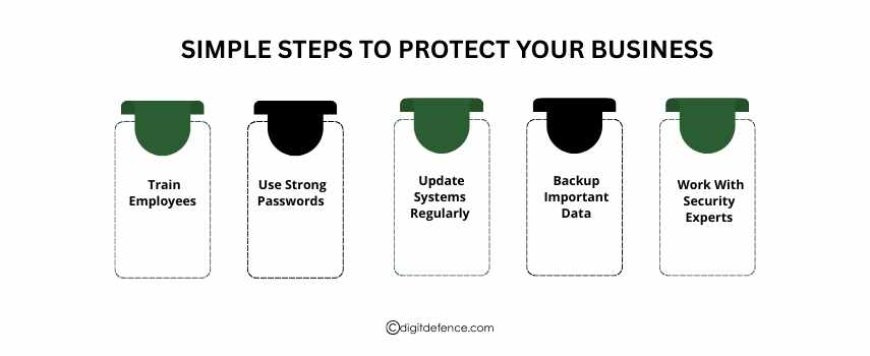
You do not need complex systems to start. Small steps make a big difference.
1. Train Employees
Teach staff how to spot fake emails and unsafe links.
2. Use Strong Passwords
Enable multi-factor authentication wherever possible.
3. Update Systems Regularly
Always install security patches and updates.
4. Backup Important Data
Keep backups in secure locations to recover quickly.
5. Work With Security Experts
Professional audits help identify hidden risks.
These actions reduce cybersecurity issues and protect business continuity.
Cybersecurity Is an Investment, Not a Cost
Many businesses delay security spending to save money. This approach often leads to higher losses later.
Cybersecurity investment helps:
-
Prevent attacks
-
Reduce downtime
-
Protect brand value
-
Maintain customer confidence
Handling cybersecurity issues early is cheaper than fixing damage after an attack.
The Future of Business Depends on Security
Digital growth is unstoppable. Cloud tools, AI, online payments, and remote work will continue to grow. With this growth, cyber threats will also increase.
Businesses that act now will:
-
Stay competitive
-
Build long-term trust
-
Avoid costly disruptions
Those who ignore cybersecurity issues may not survive in the digital future.
FAQs
1. Why are cybersecurity issues important for businesses?
Cybersecurity issues are important because they protect business data, customer information, and daily operations from cyber attacks and data loss.
2. Can small businesses be affected by cyber attacks?
Yes. Small businesses are often targeted because they usually have weaker security systems and limited protection.
3. What is the most common cybersecurity threat?
Phishing emails are one of the most common threats. They trick employees into sharing passwords or clicking unsafe links.
4. How often should businesses update their security systems?
Businesses should update systems regularly and install security patches as soon as they are available.
5. Is cybersecurity expensive for businesses?
Basic cybersecurity steps are affordable. Ignoring cybersecurity usually costs much more after an attack happens.
Cyber attacks are common today. They can cause serious harm. Every business, big or small, must care about cybersecurity.
When businesses learn about risks, train their staff, and use basic security, they stay safe and trusted. Ignoring cybersecurity issues is too risky for any business.