Keep Your Business Data Safe from RaaS Mechanism
Protect your business data by understanding and mitigating risks from Ransomware-as-a-Service (RaaS) attacks and their mechanisms.
Heard about affiliate hacking? Sounds different, right?
Most people think of affiliates as sales partners. But in the RaaS mechanism, hackers act like affiliates, working together to attack businesses and split the ransom amount paid by victims.
Understanding this structure is the first step toward building the right cybersecurity defenses before they reach your network.
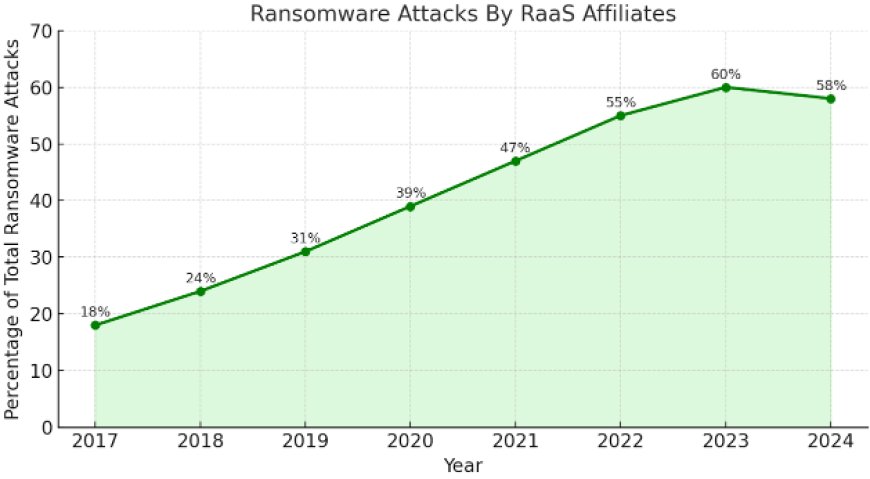
Studies suggest that nearly 60% of ransomware attacks are now carried out by RaaS affiliates, making this one of the fastest-growing cybercrime models in recent years.
Cognizant is a global IT services provider that manages systems for many clients across various industries. As a managed service provider, it plays a critical role in supporting business operations and infrastructure.
The company faced a ransomware attack that disrupted internal systems and encrypted important data, affecting service delivery. Sensitive information such as Social Security numbers, tax IDs, and financial details was also exposed, revealing vulnerabilities in their security setup.
In response, Cognizant worked with cybersecurity experts, notified authorities, and offered identity protection services to those affected. They strengthened security measures like monitoring and access controls to reduce future risks. The financial impact of the incident was estimated to be around ₹450 crore, highlighting the significant cost of ransomware attacks.
What Is the RaaS Mechanism?
The RaaS mechanism (Ransomware-as-a-Service) is a subscription-based model where individuals can buy or rent pre-built ransomware toolkits. These tools are developed by skilled programmers and offered through underground forums, similar to how regular software services work.
Instead of creating malware from scratch, users, often called affiliates, get full access to tools that are simple to launch. No deep technical skills are needed.
A typical RaaS package may include:
-
Pre-built ransomware kits for quick deployment
-
Simple guides for setting up and spreading the malware
-
Support communities to help affiliates run attacks smoothly
-
Dashboards to track infections, payments, and activity
Because these platforms are so easy to use, the RaaS mechanism has made it easier for more people to launch attacks, especially those with limited knowledge of cybersecurity.
How the RaaS Mechanism Works
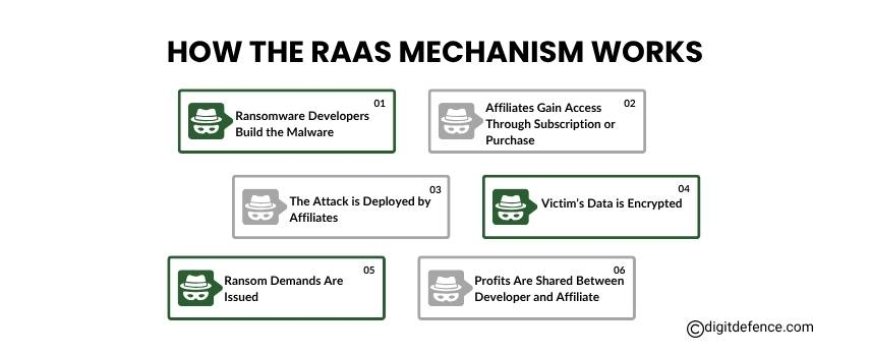
The RaaS mechanism functions through a structured, service-based model that splits responsibilities between tool creators and those who deploy the ransomware. This setup has significantly changed the cybersecurity landscape, making targeted virus ransomware attacks more frequent and organized.
-
Ransomware Developers Build the Malware
Skilled individuals or groups develop ransomware designed to encrypt files, lock systems, and prevent users from accessing critical data. These tools are often sophisticated and capable of bypassing traditional security defenses.
-
Affiliates Gain Access Through Subscription or Purchase
The toolkits are sold or rented via restricted online forums. Pricing models may include monthly subscriptions, one-time payments, or a profit-sharing agreement. Some packages come with technical support, customization options, and updates.
-
The Attack is Deployed by Affiliates
Using the pre-built toolkits, affiliates launch attacks using common entry points such as: -
Phishing emails with malicious attachments
-
Exploiting unpatched software or outdated systems
-
Poorly secured remote desktop access
-
Victim’s Data is Encrypted
Once inside the network, the ransomware encrypts files and systems, halting normal business operations. Victims are left with a ransom note demanding payment for a decryption key.
-
Ransom Demands Are Issued
The ransom is typically requested in cryptocurrency, making it harder to trace. Payment instructions are provided, sometimes with a countdown timer to increase urgency.
-
Profits Are Shared Between Developer and Affiliate
If the ransom is paid, the amount is split, often 70% to the affiliate and 30% to the developer, though this varies based on the platform and agreement.
Impact of RaaS Attacks on Business Operations
RaaS attacks can cause significant disruption across multiple aspects of a business, often resulting in serious and lasting consequences.
-
Key Area: Data and Information Security
Consequences: Encryption or exposure of sensitive data leads to privacy breaches, regulatory fines, and erosion of customer and partner trust.
-
Key Area: Financial Systems and Transactions
Consequences: Interruptions in billing, payments, and accounting processes cause direct financial losses and may trigger expensive ransom payments without assurance of data recovery.
-
Key Area: Operational Infrastructure and Productivity
Consequences: Inaccessibility of critical tools and systems halts daily operations, reduces workforce productivity, damages customer experience, and negatively impacts revenue.
-
Key Area: Legal and Compliance Risks
Consequences: Failure to protect data may result in legal penalties, regulatory investigations, and non-compliance with data protection laws such as GDPR or HIPAA.
-
Key Area: Brand Reputation and Customer Confidence
Consequences: Public disclosure of attacks or data breaches can damage brand reputation, reduce customer loyalty, and lead to loss of business opportunities.
Steps to Secure Your Business from RaaS Mechanism
1. Data Backup & Recovery
Maintain regular, encrypted backups of all critical data, stored offline or in secure cloud management. Conduct frequent restoration tests to verify backup integrity and ensure rapid recovery in case of an incident, minimizing operational downtime.
2. Patch Management
Promptly apply security patches and updates to all operating systems, applications, and network devices. Automate patch deployment where feasible to reduce delays and close vulnerabilities that ransomware may exploit.
3. Employee Awareness & Training
Implement continuous cybersecurity training programs that focus on recognizing phishing attempts, creating strong and unique passwords, and practicing safe internet habits. Encourage a security-first culture to reduce risks caused by human error.
4. Access Controls & Privilege Management
Adopt role-based access controls (RBAC) and enforce the principle of least privilege, ensuring employees and systems have only the permissions necessary to perform their tasks. Regularly review and update access rights to prevent unauthorized entry points.
5. Incident Response & Business Continuity
Develop a detailed incident response plan outlining procedures, responsibilities, and communication protocols in the event of an attack. Conduct regular drills and update the plan based on lessons learned to maintain organizational resilience and reduce recovery time.
The rise of RaaS highlights the need for proactive cybersecurity measures. Implementing strong backup protocols, timely updates, employee training, and robust access controls is essential. A well-prepared organization can effectively minimize risks and respond swiftly to incidents, safeguarding business continuity and reputation.
Worried about RaaS attacks?
Get expert protection. Email us at [email protected].