
Why Do You Need Patch Management in Cyber Security?
Learn why patch management is crucial in cyber security to fix vulnerabilities, prevent data breaches, and protect your business from cyber threats.

Even small software problems can lead to significant security issues if left unaddressed. Every program or system your business uses can have weak points that hackers can take advantage of. Patch management is the simple step of keeping your software updated so these weak points don’t become a problem, improving your overall patch security.
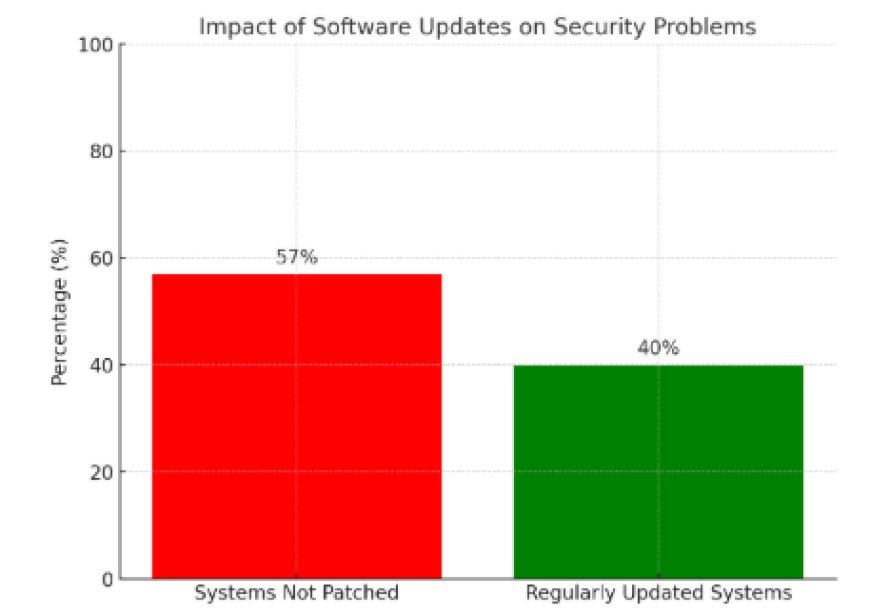
The numbers demonstrate the importance of this. Last year, 57% of data breaches happened because systems were not patched. Businesses that regularly update their software face up to 60% fewer security problems, saving them time, money, and stress.
What Is Patch Management in Cyber Security?
What is patch management? In cyber security, it is the process of identifying, testing, and applying updates (patches) to software, operating systems, and applications to fix vulnerabilities, improve functionality, and strengthen overall system security.
These patches are essentially small pieces of code released by software vendors to:
-
Fix security flaws that attackers could exploit, improving the security of your patches.
-
Improve performance by addressing bugs and glitches.
-
Ensure compliance with regulatory standards.
Businesses often use patch management software to automate and streamline this process. There are also different types of patching, including security patches, bug fixes, feature updates, and cumulative patches, which help organizations prioritize and apply updates efficiently.
Why Patch Management Is Essential for Businesses

1. Preventing Exploitation of Vulnerabilities
Hackers actively scan for unpatched systems because they’re easy targets. Once they find a vulnerability, they can inject malware, steal data, or launch ransomware attacks. Effective patch management reduces the window of opportunity for attackers and enhances security.
2. Maintaining Business Continuity
System downtime caused by cyberattacks or unpatched bugs can disrupt operations. For industries like banking, healthcare, or e-commerce, downtime equals direct financial loss and reputational damage. Patches applied through patch management software help maintain uninterrupted business flow.
3. Regulatory Compliance
Industries such as finance, healthcare, and government agencies face strict compliance regulations (GDPR, HIPAA, PCI DSS). Regular patching, including proper types of patching, is often a mandatory requirement, and failure to comply can lead to penalties.
4. Cost Savings in the Long Run
While implementing patch management requires investment, the cost is negligible compared to the financial and reputational damage of a breach.
5. Improved System Performance
Beyond security, patches often resolve bugs and improve software performance. An optimized system means faster response times, fewer crashes, and better user experience.
The Dangers of Ignoring Patch Management
Neglecting patch management exposes businesses to a range of cyber risks that can quickly escalate into financial and reputational disasters. While patches may seem like minor technical updates, failing to apply them creates exploitable weaknesses across your IT environment.
1. Increased Risk of Cyber Attacks
Unpatched systems are a hacker’s favorite target. Cybercriminals actively scan networks for outdated software, and once they find a known vulnerability, they can infiltrate your systems with ransomware, malware, or spyware. Proper patches and security mitigate this risk.
2. Costly Data Breaches
Data breaches not only result in stolen information but also trigger heavy financial consequences.
3. Compliance Penalties
Regulations such as GDPR, HIPAA, and PCI DSS require organizations to maintain secure systems. Failure to patch known vulnerabilities can be considered negligence, leading to fines, lawsuits, or loss of certifications.
4. Downtime and Business Disruption
Cyberattacks from unpatched systems often cause significant downtime. For critical industries like healthcare or banking, even a few hours of disruption can have life-threatening or financially devastating consequences.
5. Reputational Damage
Customers trust businesses to protect their sensitive data. A single breach caused by poor patch management can erode that trust, damage brand image, and result in long-term revenue loss.
Why Do You Need Patch Management in Cyber Security
Patch management is essential for safeguarding your business against cyber threats, ensuring compliance, and maintaining operational efficiency.
1. Protects Against Cyber Attacks
Cybercriminals continuously scan for outdated software and known vulnerabilities. Timely patching reduces the risk of exploitation by fixing security gaps before attackers can take advantage.
2. Ensures Regulatory Compliance
Many industries are bound by regulations like HIPAA, PCI DSS, and GDPR that mandate secure systems. Regular patch management demonstrates compliance and prevents legal penalties.
3. Reduces Financial Loss
Unpatched systems can lead to costly data breaches, ransomware attacks, or operational downtime.
4. Maintains Business Continuity
Patching prevents system crashes, performance issues, and downtime, ensuring that your operations run smoothly without interruptions caused by preventable vulnerabilities.
5. Improves System Performance
Patches often include bug fixes and performance improvements, helping your software and systems run more efficiently and reliably.
6. Supports a Proactive Security Strategy
Patch management is not just reactive, it’s proactive. By regularly updating software and systems using patch management software and applying the right types of patching, businesses stay ahead of potential threats and reinforce their overall cybersecurity framework.
Steps to Build a Strong Patch Management Strategy
A strong patch management strategy ensures that your business stays protected, compliant, and resilient against cyber threats. Here’s a step-by-step approach:
-
Maintain an Accurate Inventory of Assets – Document all hardware, software, and applications.
-
Assess and Prioritize Vulnerabilities – Use frameworks like CVSS to evaluate severity and focus on critical updates.
-
Automate Patch Deployment – Use patch management software to schedule updates and reduce errors.
-
Test Patches Before Deployment – Prevent compatibility issues with a controlled testing environment.
-
Schedule Regular Patch Cycles – Frequent updates prevent backlogs and reduce risk.
-
Monitor and Verify Compliance – Ensure all patches are applied and audited regularly.
How Patch Management Differs for SMEs vs Corporates
|
Aspect |
SMEs (Small & Medium Enterprises) |
Corporates (Large Enterprises) |
|
IT Infrastructure |
Smaller, simpler systems and applications |
Large, complex, multi-location systems |
|
IT Resources |
Limited IT staff & budget |
Dedicated IT teams with higher budgets |
|
Patch Volume |
Fewer systems to update |
Thousands of patches to manage |
|
Automation |
Basic tools, some manual intervention |
Enterprise-grade automated patching |
|
Testing & Staging |
Minimal testing, often direct deployment |
Extensive testing in controlled environments |
|
Compliance Requirements |
Moderate, industry-specific |
Strict, multi-regulatory requirements |
|
Risk Exposure |
High impact from even minor breaches |
Complex environment, but more mitigation resources |
Patch management is not just a technical necessity, it’s a key part of your cybersecurity strategy. By keeping software updated, using patch management software, applying the right types of patching, and ensuring patch security, you protect your business from threats, maintain operations, and safeguard your reputation.
Whether you run a small business or a large enterprise, don’t wait for a cyberattack to act.