
What is Synthetic Data Generation in Cybersecurity
Learn what synthetic data generation in cybersecurity is, how it works, its benefits, and how it helps simulate Synthetic Cyber Attacks safely for testing.
The Real Risk Companies Face
Every day, over 30,000 cyberattacks target businesses worldwide. Hackers try to steal sensitive data, crash networks, or hold systems hostage with ransomware. Many companies struggle to test their security properly because using real data can be risky. A single mistake during testing can expose critical information, leading to financial loss, legal penalties, and damaged reputation.
On the other hand, skipping testing leaves systems vulnerable. Security teams may miss weaknesses, leaving companies open to attacks that could have been prevented.
Synthetic data generation. It creates artificial data that behaves like real data but contains no sensitive information. Using synthetic data, organizations can safely run Synthetic Cyber Attacks, test defenses, and train AI to detect threats, all without putting real data at risk.
What Is Synthetic Data Generation?
Synthetic data generation is the process of creating artificial data that mimics real-world patterns. Unlike real data, it contains no sensitive information, making it ideal for testing and cyber security research.
In cybersecurity, synthetic data can be used to:
-
Simulate attacks
-
Train AI threat detection systems
-
Test network defenses
-
Conduct safe Synthetic Cyber Attacks
How It Works
-
Data Modeling: First, the system studies real data to understand its patterns. For example, login records, network traffic, or transaction logs.
-
Data Generation: Using these patterns, synthetic data is created that behaves like the real data but does not expose personal information.
-
Simulation and Testing: This synthetic data is then used in synthetic cyber attacks to test security systems and detect vulnerabilities.
-
Evaluation: Results from these tests help cybersecurity teams improve defenses, fix weak points, and prepare for actual attacks
Importance of Synthetic Data in Cybersecurity
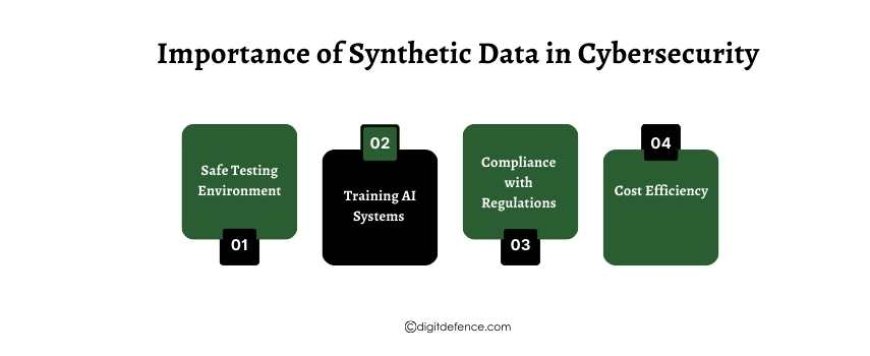
1. Safe Testing Environment
One of the biggest challenges in cybersecurity is testing new tools or strategies without risking real data. Synthetic data solves this problem. Teams can perform Synthetic Cyber Attacks on simulated environments safely. This ensures no sensitive information is exposed while security systems are thoroughly tested.
2. Training AI Systems
Modern cybersecurity systems often rely on AI to detect threats. AI needs a lot of data to learn how to spot attacks. Real attack data is often limited or confidential. Synthetic data allows AI models to learn from realistic but artificial data, improving their accuracy in identifying threats, including Synthetic Cyber Attacks.
3. Compliance with Regulations
Regulations like GDPR and HIPAA restrict how real user data can be used. Synthetic data avoids privacy concerns, allowing companies to train systems, perform analysis, and simulate attacks without violating regulations.
4. Cost Efficiency
Testing security systems with real-world scenarios can be expensive. Synthetic data reduces the need for costly live tests by providing a realistic but controlled environment. Organizations can simulate Synthetic Cyber Attacks repeatedly at minimal cost, ensuring systems are strong before actual deployment.
How Synthetic Cyber Attacks Use Synthetic Data
Synthetic Cyber Attacks are simulated hacking attempts designed to test an organization’s defenses. By using synthetic data, cybersecurity teams can create realistic attack scenarios without risking real information.
Examples include:
-
Phishing Simulations: Sending fake phishing emails to see if security systems or employees detect them.
-
Ransomware Testing: Simulating ransomware attacks on synthetic data to evaluate system responses.
-
Network Breach Scenarios: Testing how systems respond to unauthorized access using artificial traffic patterns.
These exercises help teams identify weaknesses, improve response times, and train AI security systems. Synthetic data ensures that these exercises are safe, legal, and repeatable.
Benefits of Using Synthetic Data for Cybersecurity
|
Benefit |
Description |
|
Safety |
No real data is exposed, reducing privacy risks. |
|
Realistic Testing |
Artificial data mimics real-world behavior for accurate testing. |
|
AI Training |
Provides enough data to train AI systems effectively. |
|
Cost-Effective |
Reduces the need for expensive live testing environments. |
|
Regulatory Compliance |
Meets privacy and data protection regulations easily. |
Challenges of Synthetic Data in Cybersecurity
While synthetic data is very useful, it does have some limitations:
-
Accuracy: If synthetic data does not perfectly mimic real-world data, tests may not reflect actual threats.
-
Complexity: Generating high-quality synthetic data requires advanced tools and expertise.
-
Maintenance: Synthetic datasets need continuous updates to stay relevant as cyber threats change.
Despite these challenges, the benefits of using synthetic data for Synthetic Cyber Attacks and cybersecurity testing far outweigh the risks.
Future of Synthetic Data in Cybersecurity
As cyber threats continue to grow, synthetic data will play a bigger role in cybersecurity strategy. AI systems will increasingly depend on synthetic data to predict, detect, and respond to attacks. Companies will use it not just for testing, but also for continuous monitoring and proactive defense, helping them stay ahead of hackers.
Synthetic Cyber Attacks will continue to be a safe and effective way for organizations to prepare for real-world threats. By combining synthetic data, AI, and human expertise, businesses can create resilient, secure digital environments.
FAQs
Q1: What is the difference between synthetic data and real data?
A: Synthetic data mimics real patterns but contains no sensitive information, making it safe for testing.
Q2: Are Synthetic Cyber Attacks safe to perform?
A: Yes. Since they use synthetic data, they simulate threats without risking real systems.
Q3: Which industries benefit most from synthetic data testing?
A: Finance, healthcare, manufacturing, and tech sectors gain the most from safe AI-based attack simulations.
Q4: Can synthetic data prevent real cyberattacks?
A: It helps detect vulnerabilities and train AI systems, reducing the risk of real-world attacks.
Synthetic data generation is revolutionizing cybersecurity. It provides a safe, cost-effective, and realistic way to test systems, train AI, and prepare for attacks. Using synthetic data, organizations can conduct Synthetic Cyber Attacks without risking sensitive information, ensuring stronger defenses and better compliance.
In an era where cyber threats are constantly changing, synthetic data and Synthetic Cyber Attacks give businesses the tools they need to stay secure. Companies that adopt these methods can detect vulnerabilities early, train smarter AI systems, and protect critical assets more effectively.