Why Businesses Are Adopting Biometric Authentication?
Discover why businesses are turning to biometric authentication for secure, efficient identity verification and fraud prevention.
Every day, any of the companies fall victim to breaches, leaks, and fraud, not because they don’t prioritize security, but because traditional login methods fail to meet today’s demands.
Businesses are recognizing the need for solutions that are smarter, faster, and more difficult to replicate. This is why biometric authentication is gaining traction, not only in technology firms but also across banking, retail, healthcare, logistics, and legal sectors.
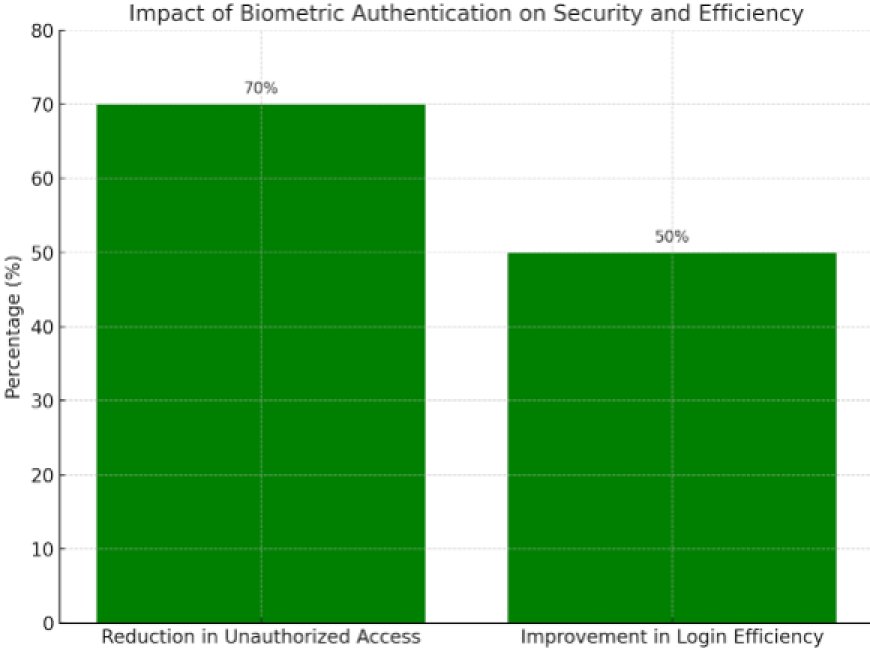
According to recent studies, organizations that implement biometric authentication reduce unauthorized access incidents by up to 70%, while improving login efficiency by 50%.
ICICI Bank, one of India’s largest private banks with over 40 million customers, wanted a safer and easier way for people to access their accounts. Many customers use simple phones or speak different languages, so the bank needed a solution that worked for everyone.
The bank faced growing fraud in phone banking because customers found it hard to remember long PINs and answer security questions, especially with bad phone connections. Fraudsters were also pretending to be customers, which slowed down service and made customers lose trust. Call center staff spent a lot of time checking identities manually, which was frustrating for everyone.
To solve this, ICICI Bank introduced voice biometric authentication. This technology checks unique features of a customer’s voice to confirm their identity quickly. Customers don’t need to remember PINs or answer questions anymore. This method reduced fraud, made calls faster, and improved customer satisfaction. Now, over 33 million customers use their voice to securely access banking services.
What Is Biometric Authentication?
Biometric authentication verifies identity using unique physical or behavioral traits like fingerprints, facial features, or voice patterns. It eliminates the need for passwords or PINs, reducing the chance of forgotten credentials and accidental sharing. This method adds a secure, difficult-to-forge layer of protection against unauthorized access. Due to its reliability and effectiveness, biometric authentication is being adopted widely across industries to improve overall cybersecurity.
How Biometric Authentication Works
-
Enrollment: The user’s biometric data, such as a fingerprint or facial scan, is captured and converted into an encrypted digital template.
-
Storage: The encrypted data is securely stored locally on the device or within a protected server environment.
-
Matching: When authentication is required, a new biometric scan is taken and compared against the stored template using advanced algorithms.
-
Access Granted: If the new scan matches the stored data, access is granted; if not, access is denied to protect the system.
This process eliminates the need for password entry, providing a faster and more secure method for user authentication.
Types of Biometric Authentication

Fingerprint Recognition
-
Used in banking apps, employee attendance, and access control
-
Analyzes unique fingerprint patterns
Facial Recognition
-
Found in smartphones, legal offices, and airport security
-
Maps facial features for identity verification
Voice Recognition
-
Used in call centers, telecom, and virtual assistants
-
Identifies users by unique voice patterns
Iris and Retina Scans
-
Used in healthcare, border control, and secure labs
-
Scans detailed eye patterns
Palm Vein Authentication
-
Common in hospitals and ATMs (e.g., Japan)
-
Maps vein patterns under the skin
Each method relies on unique biological traits, making them difficult to copy or fake.
How Businesses Use Biometric Authentication
Finance
-
Application: Mobile banking apps and ATMs
-
Purpose: Fingerprint and facial recognition help prevent fraud, speed up network authentication, and protect sensitive financial data.
Legal & Consulting
-
Application: Remote work platforms and document access
-
Purpose: Facial recognition ensures secure access to confidential case files and client records, especially for remote or hybrid teams.
Healthcare
-
Application: Patient registration and emergency care
-
Purpose: Iris and fingerprint scans are used to confirm patient identity instantly, reducing medical errors and speeding up service delivery.
Retail & eCommerce
-
Application: Mobile apps, payment systems, self-checkout
-
Purpose: Voice and facial recognition streamline checkout experiences and enable password-free logins and transactions.
Corporate & Enterprise
-
Application: Office access, workstation login
-
Purpose: Fingerprint or facial scans replace ID badges and passwords, improving both physical and digital access security within organizations.
Biometric system is now embedded into routine business operations, improving identity assurance and reducing security risks across industries.
Biometrics vs Password Logins
|
Passwords |
Biometrics |
|
Can be stolen |
Cannot be stolen |
|
Can be forgotten |
Cannot be forgotten |
|
Not user-friendly |
Easy to use |
|
Supported on many devices |
Supported on many devices |
|
Easy to reset if compromised |
Difficult to reset |
|
Limited offline use |
Often works offline |
Benefits of Biometric Security
Organizations are adopting biometric systems due to their practical and operational advantages:
-
Stronger Identity Control: Biometric traits are inherently unique and difficult to duplicate, minimizing the likelihood of unauthorized access through phishing attacks or brute-force methods.
-
Faster User Authentication: Removes the need for password entry or reset procedures, allowing quicker and more consistent access across systems.
-
Lower IT Burden: Reduces the frequency of password-related support requests, allowing IT teams to focus on higher-priority tasks.
-
Support for Remote Environments: Biometric authentication provides a secure access method for distributed teams, regardless of location.
-
Alignment with Compliance Standards: Supports regulatory frameworks such as GDPR, HIPAA, and others by ensuring secure access and data handling.
-
Individual Access Only: Biometric data cannot be shared or passed between users, helping maintain accountability and restricting internal misuse.
Biometric authentication marks a significant advancement in access control and cybersecurity. By verifying identity through unique human traits, businesses reduce the risk of unauthorized access, minimize password-related issues, and support secure operations across both on-site and remote environments. As digital systems expand, biometrics offer a dependable solution for maintaining trust and protecting critical data.
Looking to improve your security?
Protect your business with advanced biometric authentication solutions.
Contact us at [email protected] to learn more.