Cyber Breach vs Data Leak: What’s the Difference?
Understand the difference between a cyber breach and a data leak, how each happens, and what businesses can do to protect sensitive information.
You’re sipping your morning coffee, scrolling through emails, and suddenly you see it:
“Your account password has been changed.”
Or even worse…
“Suspicious activity detected on your system.”
Your heart drops.
You start thinking:
Was my data stolen? Did someone hack the company network? Did my team miss something?
This panic is real. And millions of businesses feel the same fear every year.
But here’s the truth, most people don’t realize:
Not every data loss incident is the same.
Sometimes it’s a cyber breach.
Sometimes it’s a data leak.
And sometimes it’s both a dangerous combo that can destroy trust, revenue, and reputation.
If you work in marketing, IT, management, or run a business…
You need to know the difference.
Because misunderstanding these two risks can cost you far more than you think.
Why This Topic Matters More Today
We live in a world where data is the new currency.
Your customer information, campaign data, business insights, and login credentials all run on data.
And here’s the scary part:
-
In India alone, cyberattacks increased by over 20% last year.
-
Around the world, organizations lose millions because of poor security.
-
Even small teams, freelancers, content marketers, and agencies are now prime targets.
That means understanding the difference between a cyber breach and a data leak is no longer optional.
It’s survival.
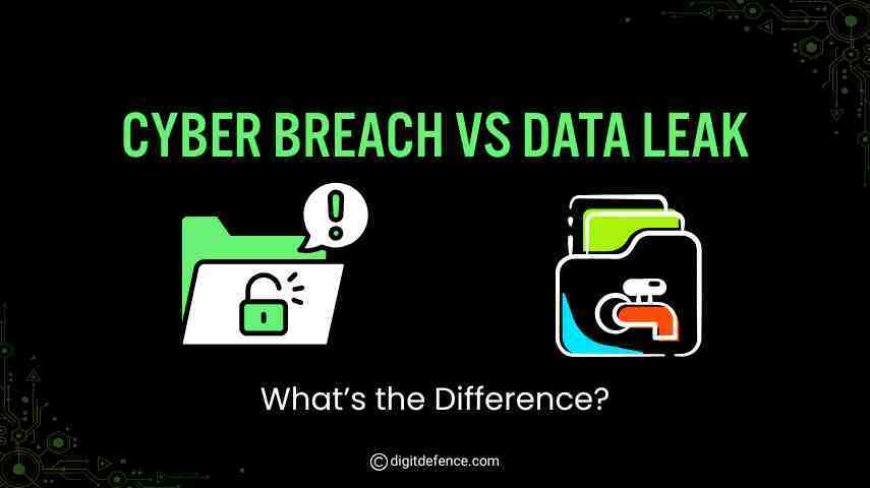
Cyber Breach vs Data Leak
A cyber breach is an attack from the outside.
Someone breaks in - like a thief entering your house.
A data leak is information escaping from the inside.
Something falls out - like losing your wallet, because your pocket was open.
Both are dangerous.
Both affect trust.
Both can damage your brand.
But they happen in very different ways.
And businesses need different strategies to stop them.
What Exactly Is a Cyber Breach?
A cyber breach happens when a hacker or attacker forces their way into your systems.
They break digital locks.
They bypass security.
They enter where they don’t belong.
It usually happens through:
-
Weak passwords
-
Phishing emails
-
Malware
-
Unsecured wifi
-
Vulnerable servers
-
Outdated software
A cyber breach is an active attack.
Someone intentionally comes for your data.
In simple words:
A cyber breach is like a stranger breaking down your door and entering your home.
What Exactly Is a Data Leak?
A data leak is when your information slips out accidentally without anyone hacking you.
Common reasons include:
-
Employees sharing sensitive files
-
Misconfigured cloud storage
-
An open link accessible to the public
-
Sending the wrong file to the wrong person
-
Lost laptop or mobile device
-
Poor access control
-
Outdated privacy settings
A data leak is usually unintentional.
No one attacks you - your own data gets exposed by mistake
In simple words:
A data leak is like forgetting your bag open in public and watching your documents fall out.
Cyber Breach vs Data Leak: A Quick Comparison
|
Factor |
Cyber Breach |
Data Leak |
|
Cause |
Intentional attack |
Accidental exposure |
|
Who’s responsible? |
External hackers |
Employees, misconfigurations, and negligence |
|
Requires hacking skill? |
Yes |
Not always |
|
Detection |
Harder to detect |
Usually found later |
|
Risk |
High - attackers roam inside systems |
High -data already out in the world |
|
Example |
Hacker steals database |
Public Google Drive link exposes files |
Both are dangerous.
Both can destroy trust.
But understanding the difference helps teams respond faster and smarter.
Why Many Professionals Confuse the Two
Most people say “We got hacked.”
Even when they didn’t.
This creates confusion inside teams especially marketing, CRM, and data teams.
Here’s the real reason the confusion happens:
-
Both involve loss of data
-
Both can lead to customer mistrust
-
Both can damage the company brand
-
Both require strong cybersecurity practices
But when a business knows which incident happened, it can recover faster and prevent future damage.
The Emotional Impact No One Talks About
When a cyber breach happens, it feels like:
-
Someone invaded your private space
-
You lost control
-
Your team may feel guilty
-
Customers question your brand
-
Sales slow down because trust drops
When a data leak happens, it feels like:
-
A small mistake turned into a serious problem
-
You fear what clients will think
-
You blame yourself or your team
-
You lose confidence in your system
Both situations create panic, urgency, and frustration.
And in today’s digital environment, this emotional damage affects business performance too.
Which One Is More Dangerous?
Honestly?
Both.
But for different reasons.
A cyber breach allows attackers to explore your systems silently.
A data leak exposes information to anyone, even competitors.
The real danger comes from not knowing the difference and not knowing how to prevent each one.
Cyber Breach: The Hidden Risks Businesses Ignore
A cyber breach is dangerous because:
-
Attackers move around your network
-
They steal data slowly
-
They install hidden malware
-
They watch your activities
-
They lock your files with ransomware
-
They sell your data online
You may not even know you were breached for weeks or months.
In many cases, the same attacker comes back again and again.
This is why businesses cannot take a cyber breach lightly.
It’s more than an incident, it’s a warning.
Data Leak: The Silent Reputational Damage
A data leak doesn’t require a hacker.
And that’s what makes it scary.
Something as simple as:
-
A wrong email
-
A shared file
-
A public link
-
A lost device
…can expose customer information instantly.
And customers rarely forgive careless mistakes.
To them, a data leak is a lack of responsibility.
This is why brands need strong data handling discipline, especially teams dealing with user information, campaigns, analytics, and research.
How to Protect Your Business from Both Threats
-
Use strong passwords and MFA
-
Train employees about phishing
-
Update software on time
-
Encrypt sensitive files
-
Limit access to important data
-
Use secure cloud settings
-
Audit data regularly
-
Have a cyber breach recovery plan
-
Protect public Wi-Fi users
-
Use cybersecurity monitoring tools
-
Small steps → Big protection.
4 Key Ways Businesses Can Reduce Cyber Risks
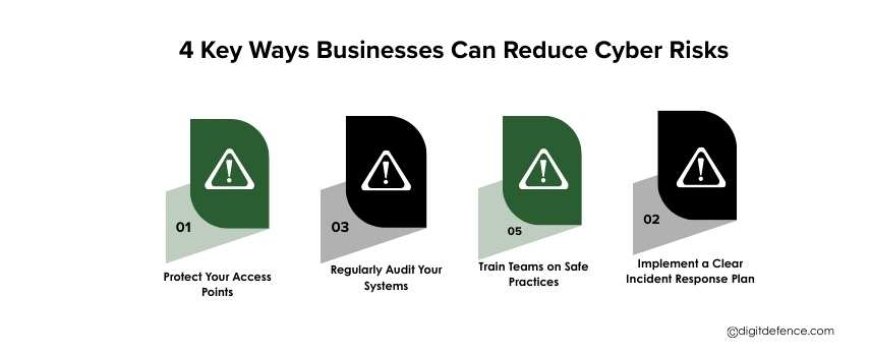
Even with strong systems, many companies still face cyber breaches or data leaks. Understanding how to prevent them is critical. Here are four key approaches:
1. Protect Your Access Points
Every login, server, and cloud account is a potential entry point for attackers. Strong passwords, multi-factor authentication (MFA), and role-based access control ensure only authorized people can access sensitive data.
2. Regularly Audit Your Systems
Scheduled system checks and audits help identify vulnerabilities before they become incidents. By reviewing permissions, software updates, and network activity, businesses can spot weak spots early.
3. Train Teams on Safe Practices
Human error is one of the leading causes of data leaks. Training employees to recognize phishing emails, avoid unsecured networks, and handle sensitive files properly reduces accidental exposure dramatically.
4. Implement a Clear Incident Response Plan
Even the best systems can fail. A documented plan ensures quick action if a cyber breach or data leak occurs. It defines roles, steps to secure data, communication with stakeholders, and recovery measures, minimizing downtime and reputational damage.
Know the Difference. Act Fast. Stay Ready.
A cyber breach is an attack.
A data leak is an accident.
But both teach the same lesson:
Your business is only as strong as your security.
Today’s world is moving fast.
Competitors are moving faster.
Cyber Threats are evolving even faster than that.
If you don’t protect your data, someone else will take advantage of it - or worse, take it away.
This is the moment to act.
Learn the risks.
Strengthen your systems.
Train your teams.
Build trust.
Because in digital business…
Security is not a cost - it’s your foundation.