How Companies Should Manage Cyber Security Risk
Learn effective strategies to lower cyber security risk in companies and protect your business from cyberattacks, data breaches, and financial losses.

Facing Growing Cyber Threats to Your Business?
Every business that uses computers or the internet is at risk. Hackers target sensitive data, payment details, and company information, causing financial loss, legal issues, and reputational damage.
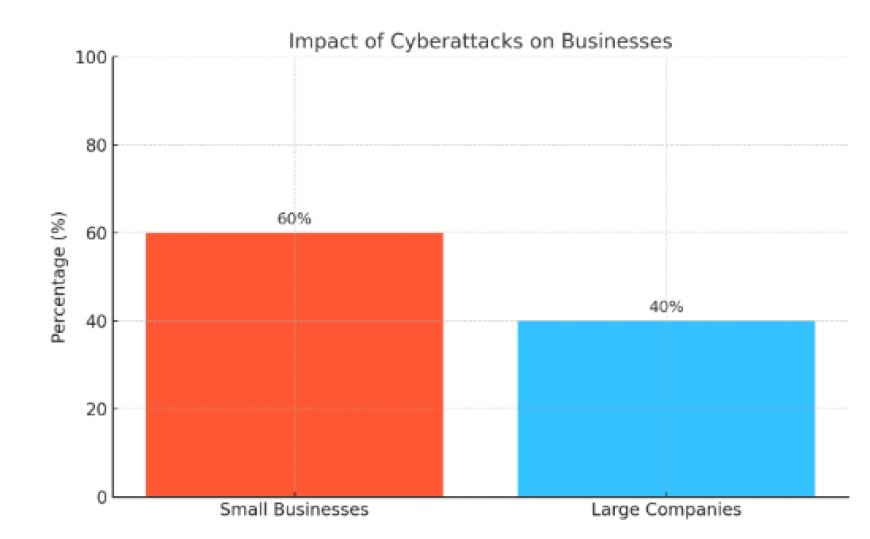
Studies show that around 60% of small businesses close within six months after a major cyberattack. Even large companies lose money, customers, and trust when systems are compromised.
Lowering cyber security risk is not just an IT problem, it is very important for business success. Companies that take action can prevent losses, protect data, keep customers happy, and continue working without interruptions.
FinBank, a mid-sized finance company, handled sensitive customer financial information and online transactions. With rapid growth, the company realized it was a target for hackers.
The company faced several challenges. First, customer account details, transaction records, and personal information were at high risk and needed strong protection. Second, hackers attempted phishing, malware, and ransomware attacks on FinBank’s systems.
To solve these problems, FinBank took multiple steps. They installed advanced cybersecurity software to protect sensitive data and prevent malware attacks. Networks and systems were monitored 24/7 to detect threats quickly.
What is Cyber Security Risk?
Cybersecurity risk is the possibility that a company’s data, systems, or operations could be harmed by cyber threats. These risks can affect businesses of any size, from small startups to large corporations. If not addressed, cyber security risks can lead to financial loss, disruption of operations, legal penalties, and damage to a company’s reputation.
Some of the common cyber security threats include:
-
Phishing: Hackers send fake emails, messages, or links that appear real, tricking employees or customers into sharing passwords, bank details, or sensitive information.
-
Malware & Ransomware: Harmful software can infect computers, steal data, or lock systems until a ransom is paid. Ransomware attacks often disrupt operations and can be very costly to resolve.
-
Insider Threats: Sometimes employees or contractors accidentally or intentionally compromise sensitive data. Insider threats can include sharing passwords, clicking unsafe links, or misusing access privileges.
-
Weak Passwords: Simple or repeated passwords make it easy for cybercriminals to gain unauthorized access to accounts and systems.
-
Old or Unpatched Software: Outdated software may have security flaws that hackers can exploit. Regular updates and patches are essential to keep systems protected
Why Lowering Cyber Security Risk is Important
Lowering cyber security risk is not just about technology, it is very important for a business to stay safe and grow. Protecting your systems and data helps companies avoid losses, keep customer trust, and run smoothly. Here’s why it matters:
1. Protects Important Data
Companies keep important information like customer details, financial records, employee data, and business plans. If this data is stolen, it can lead to fraud, identity theft, or loss of business advantage. Protecting data keeps your clients’ information safe and maintains your company’s reputation.
2. Reduces Money Loss
Cyber attacks can cost a lot of money. Hacks, phishing scams, or ransomware can lead to financial loss, expensive repairs, and downtime. Strong security stops attacks before they happen, saving money and avoiding big problems.
3. Builds Customer Trust
Customers expect their information to be safe. One data breach can make them leave or share negative reviews. Companies that focus on cyber security show they are responsible, making customers confident in using their services.
4. Ensures Legal Compliance
Some industries, like finance, healthcare, and e-commerce, must follow data protection rules such as PCI DSS, GDPR, or CCPA. Not following these rules can cause fines or legal trouble. Strong security helps businesses stay within the law and avoid penalties.
5. Keeps Business Running
Cyberattacks can stop systems, freeze computers, or shut down websites. This affects work, sales, and customer service. Cybersecurity keeps systems running even during attacks, so the business does not stop.
6. Protects Company Reputation
Cyberattacks can harm a company’s reputation. Customers, partners, and investors may lose trust in a business that gets hacked often. Reducing cyber security risks helps protect your brand and keep people confident in your business.
How Companies Should Manage Cyber Security Risk
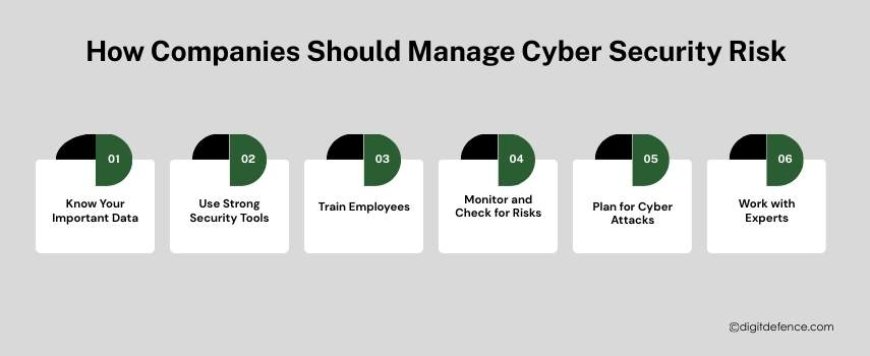 Here’s how companies can manage cyber security risk effectively:
1. Know Your Important Data
-
List all digital assets, like servers, databases, and devices.
-
Identify sensitive data such as customer details, financial records, and business secrets.
-
Understand which areas are most likely to be attacked.
2. Use Strong Security Tools
-
Install firewalls, antivirus software, and systems to detect attacks.
-
Encrypt sensitive data so it cannot be read if stolen.
-
Update all software regularly to fix security weaknesses.
3. Train Employees
-
Teach employees about cyber threats like phishing and malware.
-
Show safe ways to use emails, passwords, and company devices.
-
Have clear rules for handling data and accounts.
4. Monitor and Check for Risks
-
Watch networks for unusual activity.
-
Test systems regularly to find weaknesses.
-
Update security plans as threats change.
5. Plan for Cyber Attacks
-
Create a clear plan for what to do if a breach happens.
-
Assign roles so everyone knows their responsibilities.
-
Prepare communication to inform staff, customers, and partners.
6. Work with Experts
-
Partner with a trusted Cyber Security agency for advice and support.
-
Experts can help manage complex threats and recommend the latest tools.
-
Stay informed about new cyber threats and solutions.
Benefits of Lowering Cyber Security Risk
Lowering cyber security risk is not just about technology. It brings many important benefits for your business, your customers, and your growth.
1. Save Money
Cyberattacks like fraud, ransomware, or phishing can cost businesses a lot of money. By applying information security and risk management, companies can prevent these attacks, avoid huge losses, and save on recovery costs.
2. Build Customer Trust
Customers feel safe when their information is protected. If people know your business keeps their data secure, they are more likely to buy from you again and recommend your services.
3. Follow Rules and Avoid Fines
Many industries have strict laws for data protection, like PCI DSS, GDPR, or CCPA. Following these rules helps you avoid legal penalties and fines while showing you take data safety seriously.
4. Ensure Business Continuity
Cyberattacks can stop systems, freeze websites, or disrupt operations. Strong cyber security ensures that your business can keep running smoothly even during attacks, reducing downtime and losses.
5. Protect Your Reputation
A company that gets hacked often can lose trust from customers, partners, and investors. Managing information security risk effectively shows that your business is responsible, professional, and reliable, which strengthens your brand image
6. Support Business Growth
When systems and data are safe, your business can focus on growth and innovation. Customers feel confident, employees work efficiently, and your company can expand without worrying about cyber threats.
Cyber security risk is a real threat to every business. Ignoring it can cost money, customers, and reputation.
By using strong passwords, training employees, monitoring systems, encrypting data, and working with experts, companies can lower their risk.
Investing in cyber security is not just about safety, it helps your business grow, keep customers, and stay successful.
Connect with our Experts to Protect Your Company from Cyber Threats.