Reduce Cyber Hacking Risks and Secure Your Business
Worried about cyber threats? Learn how to reduce cyber hacking risks and secure your business with simple, actionable steps that protect your assets today!
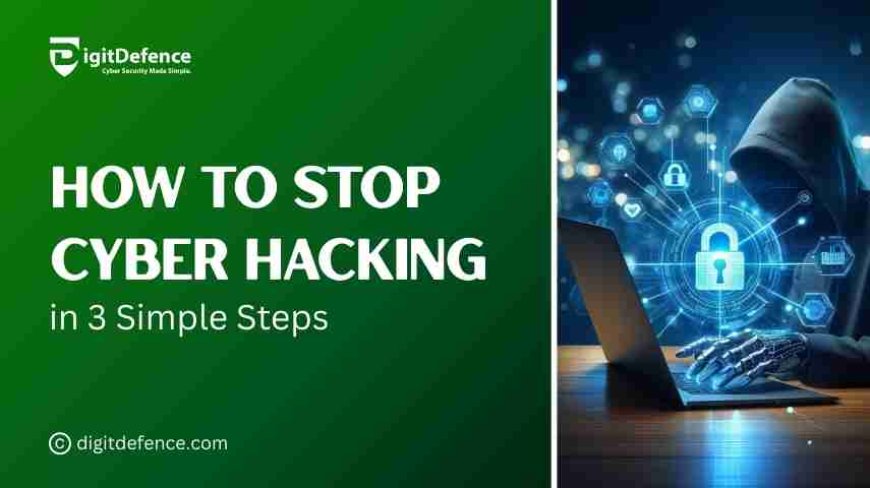
Are you protected against cyber hacking?
Have you put steps in place to protect your business from online hacking? Hackers are always looking to exploit businesses, and as businesses become increasingly dependent on technology, it is clear that they will continue to grow, as well. Hackers are always coming up with new methods to bypass your hacking defenses, steal your sensitive data or cripple your operations. Instead, taking steps to reduce these risks can go a long way in protecting your assets and your business's continuity.
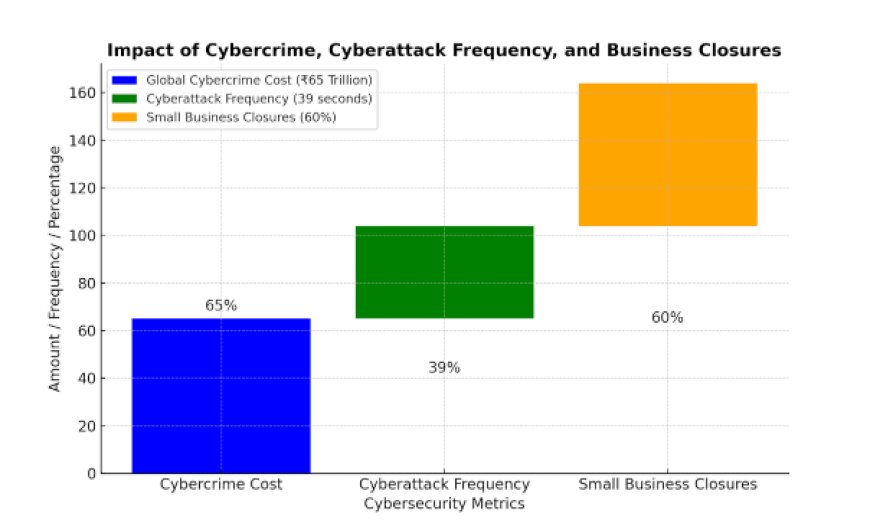
Based on Statista reporting the global cost of cybercrime will be ₹65 trillion by 2027, we can see that cyber hacking is costing a lot of money. Cybersecurity Ventures also states that an average of one cyberattack happens every 39 seconds, and according to Ponemon Institute, 60% of small businesses close within six months after being ruined by a cyberattack. Given these statistics, it is obvious that protecting your business from the rising threat of cyberhacking is crucial.
Equifax, one of the largest credit reporting agencies in the U.S., experienced a monumental data breach in 2017, affecting the personal data of approximately 147 million. The breach was ultimately caused by a vulnerability in Apache Struts, the software framework that Equifax used for web applications. Even though a patch was available for the vulnerability, Equifax didn't apply the patch in time and their systems were left open to attack.
Because of the breach, the hackers acquired important information such as names, social security numbers, birth dates, addresses, and even some driver's license numbers. Not only did this breach harm or destroy the public's perception of the company, but Equifax also ended up paying more than ₹1.5 trillion in legal costs, settlements, and fines.
This case illustrates how one unowned unpatched vulnerability in software can result in a breach harming millions, at a cost of billions to business. With continuous monitoring, prompt patching, and tightened access control, businesses can better mitigate cyber hacking and ensure their resilience against increasingly diverse and impactful digital threats.
What is Cyber Hacking and Why Does It Matter for Your Business?
Cyber hacking is the unauthorized access of computer systems, networks, and devices to steal, change, or destroy data. It can take on many forms of attacks, such as phishing, malware, ransomware, denial-of-service (DoS) attacks, or data breaches. For businesses, these attacks result in large financial impacts, lost operational time, and negative effects on their brand.
The impact of cyber hacking on a business is wide-ranging, affecting it in numerous ways. In addition to immediate losses by way of revenue, hacking incidents can carry a significant loss of customer trust, ongoing legal liabilities, and damage to the company's reputation that lasts long after the initial incident. As more businesses adopt digitized solutions daily, cybercriminals are becoming more and more technically advanced to bypass traditional security measures.
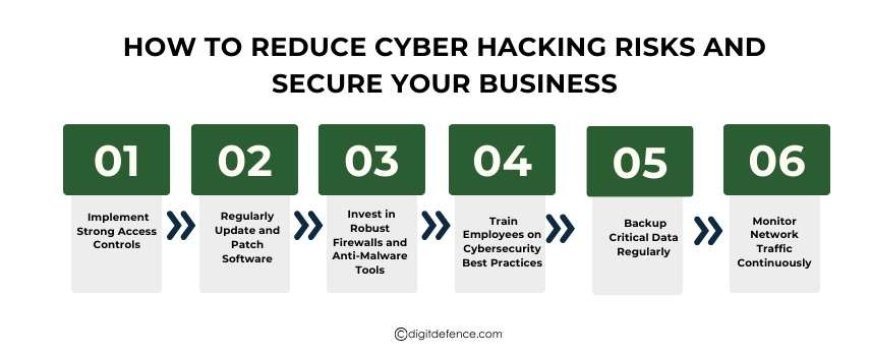
How to Reduce Cyber Hacking Risks and Secure Your Business
1. Implement Strong Access Controls
One of the easiest ways to reduce cyber hacking risks is by limiting access to sensitive systems and data. Only authorized personnel should be allowed to access certain parts of your business’s network. Implement multi-factor authentication (MFA) for critical systems and ensure that employees use strong, unique passwords. By restricting access based on roles, businesses can reduce the risk of internal threats or external breaches.
Additionally, privilege access management (PAM) tools help control and monitor access to critical systems, ensuring that employees only have access to the data necessary for their role. This is particularly important when dealing with third-party vendors who may have access to sensitive information.
2. Regularly Update and Patch Software
Outdated software and unpatched vulnerabilities are prime targets for cybercriminals. Cyber hacking is often made possible when hackers exploit known software vulnerabilities. Regularly updating your systems and software ensures that these vulnerabilities are patched and that your business remains protected from emerging threats.
This includes your operating systems, applications, web servers, and any other software your business uses. Many attacks can be mitigated by simply keeping everything up-to-date with the latest security patches.
3. Invest in Robust Firewalls and Anti-Malware Tools
A firewall acts as a barrier between your internal network and external threats, blocking unauthorized access and malicious traffic. It’s essential to configure firewalls properly and ensure that they are consistently updated to defend against the latest attack vectors.
Alongside firewalls, anti-malware tools should be used to detect and block malicious software like viruses, ransomware, and spyware. Regular scans and real-time protection will help identify potential threats before they can cause significant damage. Many modern anti-malware tools use artificial intelligence (AI) and machine learning to detect new, unknown threats in real-time.
4. Train Employees on Cybersecurity Best Practices
Human error remains one of the biggest vulnerabilities in cybersecurity. Many cyber hacking incidents, such as phishing attacks, occur because employees fall victim to fraudulent emails or messages. Regular cybersecurity training helps employees recognize potential threats and understand how to protect sensitive information.
Employees should be taught to spot phishing attempts, use strong passwords, avoid clicking on suspicious links, and follow safe internet practices. Building a culture of cybersecurity awareness within your organization can significantly reduce the risk of breaches caused by human error.
5. Backup Critical Data Regularly
Data backup is one of the most effective ways to protect your business from cyber hacking, especially in the case of ransomware attacks. Regularly backing up your critical data ensures that even if your systems are compromised, you can restore your operations with minimal disruption.
Backups should be stored securely, either offline or in a cloud environment with encryption, to prevent hackers from gaining access to them during an attack. Having a clear disaster recovery plan in place ensures that your business can quickly recover from a cyberattack.
6. Monitor Network Traffic Continuously
Continuous monitoring of network traffic is vital for detecting suspicious activity and identifying potential cyber threats in real-time. Tools like intrusion detection systems (IDS) and intrusion prevention systems (IPS) help monitor network traffic for signs of malicious activity, such as unauthorized access attempts or large-scale data transfers.
By setting up automated alerts, businesses can be notified of potential attacks and respond immediately to mitigate damage. Monitoring network traffic also helps identify vulnerabilities, ensuring that businesses can proactively address weaknesses before they are exploited.
In our increasingly digital era, cyber hacking is a significant danger to businesses, both big and small. Fortunately, strong access controls, regular updates, firewalls, anti-malware tools, employee training, data backups, and monitoring network activity can help protect businesses from being the next target.No system can achieve perfect security, however, if you take the above precautions, you can significantly bolster your business' cybersecurity defenses, and minimize the financial, operational, and reputational harm caused by cyber hacking. Don't wait until it is too late, take steps now to protect your business and keep one step ahead of cybercriminals.
Do you need assistance securing your business from cyber threats? You can contact us at [email protected] for specialized cybersecurity solutions!