Why Every Business Needs a Firewall Device
Protect your business from cyber threats and data breaches with a firewall device. Ensure your network stays secure and your data remains safe today!

Is your business fully protected from cyber threats?
How confident are you in the security of your company’s sensitive data and network? A firewall device is one of the most crucial components of your business’s cybersecurity strategy.
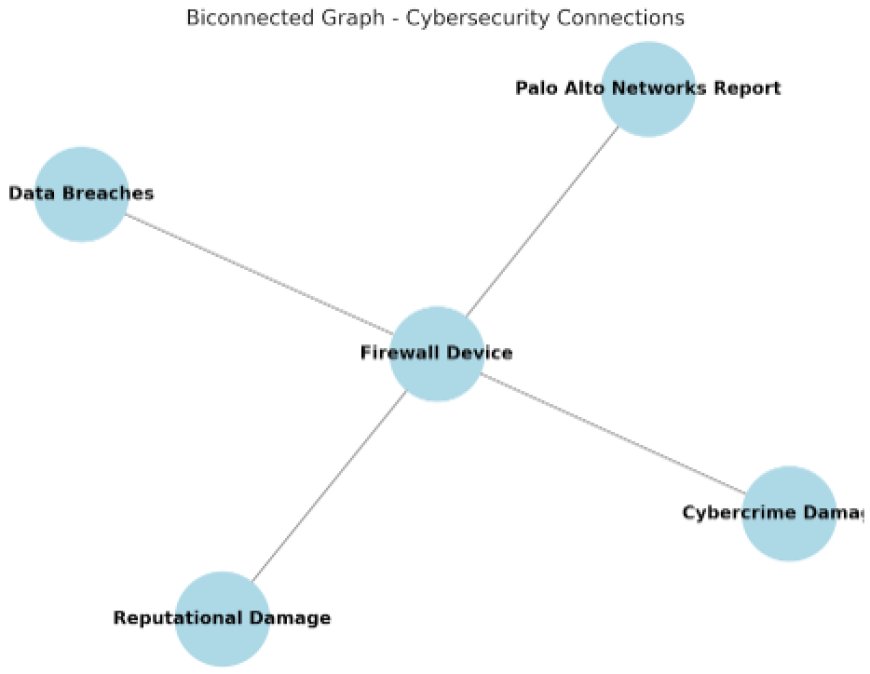
According to Cybersecurity Ventures, global cybercrime damages are expected to reach $10.5 trillion annually by 2025, highlighting the critical need for strong security systems. Palo Alto Networks reports that 70% of businesses experience at least one cyberattack annually, and many incidents could be mitigated with the use of a firewall device. Investing in a reliable firewall ensures that your network remains secure, minimizing the risk of data breaches, loss of intellectual property, and reputational damage.
A well-known example of the importance of a firewall device comes from Target’s data breach. Attackers were able to infiltrate the company’s network by exploiting weak points in their security systems, including insufficient firewall protections. The breach exposed the personal information of 40 million customers, leading to significant financial losses and reputational damage.
If Target had implemented stronger firewall protection and more robust network security systems, it may have been able to prevent or mitigate the attack. The breach serves as a reminder that businesses of all sizes must prioritize cybersecurity and invest in reliable firewall devices to protect their networks.
What is a Firewall Device?
A firewall device is a network security system that monitors and controls incoming and outgoing network traffic based on predetermined security rules. Essentially, it acts as a barrier between a trusted internal network and untrusted external networks (like the Internet). By filtering traffic, a firewall ensures that only authorized traffic is allowed into your network while blocking malicious or unauthorized access attempts.
There are two main types of firewalls:
-
Hardware Firewalls: These are physical devices placed between your network and external networks. They are often used by businesses for greater security control.
-
Software Firewalls: These are installed on individual devices (such as computers or servers) and protect at the software level.
Why Every Business Needs a Firewall Device
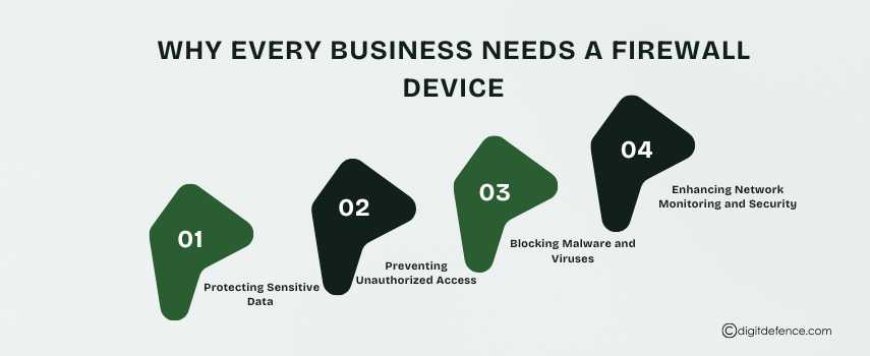
1. Protecting Sensitive Data
Every business, regardless of size, holds sensitive data. This can include customer information, financial records, intellectual property, and proprietary systems. A firewall helps safeguard this valuable data by blocking unauthorized access attempts, ensuring that hackers cannot easily infiltrate your network.
2. Preventing Unauthorized Access
One of the primary functions of a firewall is to control access to your network. It acts like a gatekeeper, ensuring that only authorized users can access certain data or services. By configuring the firewall protection properly, you can enforce role-based access controls, where only specific employees or users can access sensitive areas of the network. This reduces the risk of insider threats and unauthorized access attempts.
3. Blocking Malware and Viruses
Malware, ransomware, and viruses are among the most common cyber threats businesses face today. Once malware infiltrates your network, it can spread quickly and wreak havoc, leading to data loss, system downtime, and financial losses. A firewall acts as a filter, blocking harmful traffic that may carry malicious software, helping to prevent malware infections before they can cause damage.
4. Enhancing Network Monitoring and Security
Modern firewall protection not only blocks malicious traffic but also provides businesses with comprehensive network monitoring. With advanced firewall protection, you can track and analyze traffic patterns, detect potential threats, and gain insights into the overall health of your network. Many firewalls also offer intrusion detection and intrusion prevention systems that alert administrators to suspicious activities, allowing for quick responses before a breach occurs.
This proactive approach to network security ensures that businesses can identify vulnerabilities and take steps to address them before any serious damage occurs. Continuous monitoring helps to stay ahead of changing cyber threats and maintain a strong security posture.
How a Firewall Device Enhances Business Security
1. Layered Security Approach
Firewall protection is a key element of a layered security strategy, but it’s not enough on its own. While firewalls block unauthorized traffic, businesses should also employ other security measures, such as antivirus software, data encryption, and multi-factor authentication. Together, these layers create a more comprehensive defense against cyberattacks.
2. Compliance with Regulations
Certain industries, such as healthcare and finance, are subject to strict regulations regarding data protection. Firewall protection helps ensure compliance with GDPR, HIPAA, and other data protection regulations. By maintaining strong network security, businesses can avoid costly fines and legal issues associated with data breaches.
3. Scalable Protection for Growing Businesses
As businesses grow, so does their network infrastructure. Firewall protection can scale to accommodate new users, devices, and applications. This scalability ensures that businesses can maintain a secure environment as they expand without compromising the protection of their sensitive data.
In a digital environment, cyber threats are becoming increasingly advanced, and businesses of all sizes are at risk. A firewall device serves as a critical first line of defense against unauthorized access, malware, and other cyber threats. By investing in a firewall device, businesses can protect sensitive data, prevent cyberattacks, and enhance their overall network security.
To ensure the security of your business and stay ahead of changing threats, consider partnering with a trusted cybersecurity provider. Reach out to [email protected] to learn how we can help you implement a firewall device and other security measures tailored to your business needs. Don’t wait for a cyberattack to happen take proactive steps to safeguard your business today.