Stop Malicious Attacks Before They Impact Your Business
Protect your business from malicious attacks before they cause damage. Learn how to safeguard your data and secure your network today!
Are you confident that your business is fully protected from malicious attacks? What would happen if your network or sensitive data were compromised?
As the frequency and sophistication of cyberattacks increase, malicious attacks are a growing concern for businesses worldwide.
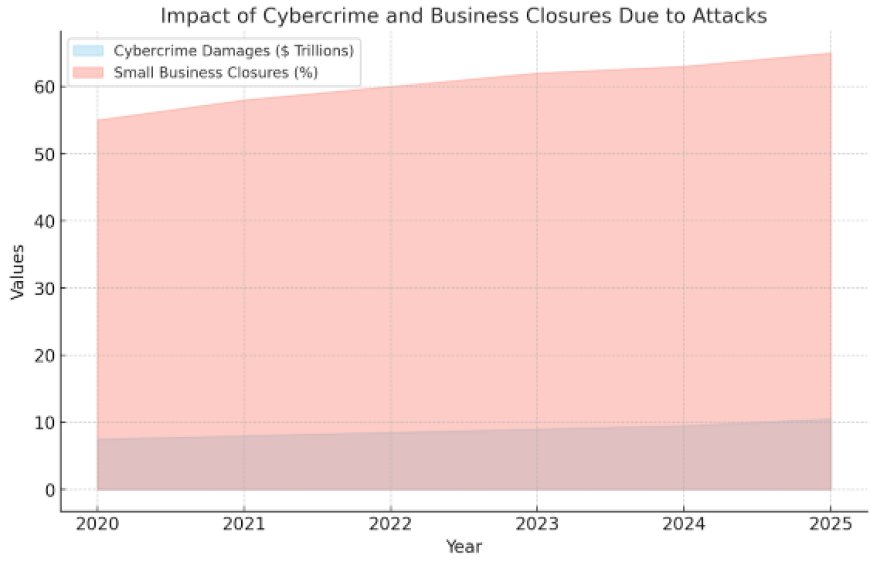
According to Cybersecurity Ventures, global cybercrime damages are projected to reach a staggering $10.5 trillion annually by 2025. Moreover, a Ponemon Institute study reveals that 60% of small businesses close within six months of a major cyberattack. These incidents not only result in financial losses but can also destroy a company’s reputation and customer trust. Proactively stopping hacker attacks is critical to safeguarding your business.
In 2014, Sony Pictures Entertainment became the victim of a highly sophisticated malicious attack that resulted in a massive data breach. Cybercriminals gained access to internal systems and stole sensitive data, including unreleased films, employee information, and confidential emails. The breach caused millions of dollars in damages and severely impacted the company’s reputation.
Sony’s experience demonstrates the devastating effects of malicious attacks and underscores the importance of robust cybersecurity measures, such as firewalls, encryption, and employee training.
What Are Malicious Attacks?
Malicious attacks are deliberate actions by cybercriminals aimed at damaging, disrupting, or gaining unauthorized access to a system or network. These attacks can take many forms, including malware infections, phishing, ransomware, denial-of-service (DoS) attacks, and data breaches. Malicious actors often exploit vulnerabilities in a company’s network, software, or even its employees' behavior. The impact of these attacks can be catastrophic, ranging from financial losses to irreparable reputational damage.
While hacker attacks continue to change, businesses must be proactive rather than reactive to avoid falling victim to these threats. By understanding the common types of attacks and implementing robust security measures, businesses can minimize their vulnerability and strengthen their defenses.
Common Types of Malicious Attacks
-
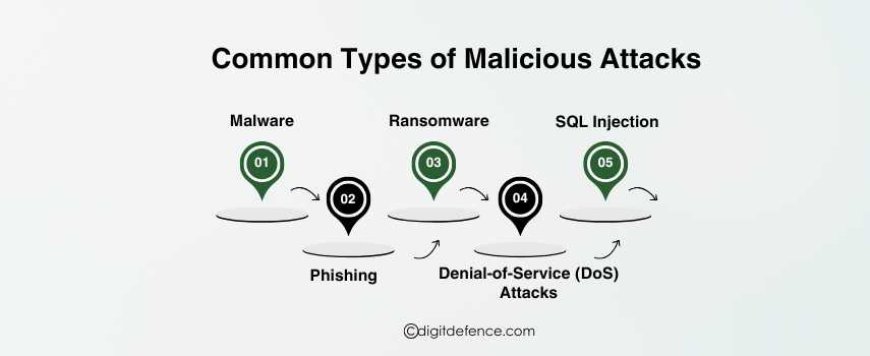
Malware: Malicious software designed to damage, disrupt, or gain unauthorized access to a computer system. Types of malware include viruses, worms, trojans, and ransomware.
-
Phishing: Deceptive emails or messages that trick recipients into revealing sensitive information, such as login credentials, credit card numbers, or personal data.
-
Ransomware: A type of malware that locks or encrypts a victim's data, demanding payment (ransom) to restore access.
-
Denial-of-Service (DoS) Attacks: Attackers overwhelm a system, server, or network with traffic, causing it to crash or become unavailable to users.
-
SQL Injection: Malicious code inserted into an SQL query, enabling attackers to access or manipulate databases and sensitive information.
The Impact of Malicious Attacks on Business
The damage caused by malicious attacks can have long-lasting consequences for a business. Not only do these attacks result in immediate financial loss, but they also harm a company’s reputation, customer trust, and overall business operations. Some key impacts include:
1. Financial Losses
The direct financial costs associated with hacker attacks can be significant, from the cost of the attack itself (e.g., paying a ransom or recovering stolen data) to the expenses related to system repairs, legal fees, and fines for non-compliance with data protection regulations.
2. Reputational Damage
Consumers and clients trust businesses to keep their data safe. When an organization is compromised, this trust is broken. A malicious attack can damage a business’s reputation and lead to the loss of customers, long-term brand damage, and a decrease in market share.
3. Legal Consequences
Businesses that fail to protect sensitive customer information may face legal repercussions. Under data protection laws like GDPR or CCPA, companies can face substantial fines for data breaches or failing to properly safeguard personal data.
4. Disruption to Business Operations
A cyberattack can halt business operations for days or even weeks, causing downtime, lost productivity, and the loss of important business data. This disruption can have a ripple effect on overall business performance.
How to Prevent Malicious Attacks
The key to protecting your business from hacker attacks lies in proactive prevention. Here are a few essential steps that every business should take to reduce the risk of a cyberattack:
1. Invest in Robust Cybersecurity Systems
Firewalls, antivirus software, and intrusion detection systems (IDS) are essential tools for identifying and blocking malicious activity. Ensure that your business’s network is protected by the latest cybersecurity technology.
2. Regularly Update Software and Patches
Cybercriminals often exploit known vulnerabilities in software and systems. Keeping your operating system, applications, and security software up to date is one of the most effective ways to prevent hacker attacks.
3. Employee Training and Awareness
Since phishing attacks often target human error, educating your employees about recognizing suspicious emails, websites, and attachments is crucial. Conduct regular training on cybersecurity best practices to reduce the risk of successful attacks.
4. Use Multi-Factor Authentication (MFA)
Implementing MFA adds an extra layer of protection by requiring users to provide more than one piece of evidence (e.g., a password and a verification code) before accessing sensitive systems or data.
5. Backup Your Data Regularly
Data loss from cyberattacks like ransomware can be devastating. Regularly back up your data to ensure that you can recover it in the event of an attack without paying a ransom or experiencing significant downtime.
In today’s interconnected world, businesses must take cybersecurity seriously. Malicious attacks are constantly changing, and the consequences of failing to defend your organization can be severe. By investing in strong security systems, staying vigilant with software updates, and educating your employees, you can significantly reduce the risk of a successful cyberattack.
To protect your business from malicious attacks and ensure its long-term success, take action now. Don’t wait until it’s too late. Contact [email protected] for expert cybersecurity solutions tailored to your business needs. Take the first step toward securing your future and safeguarding your data today.