How to Protect Your Business From Spear Phishing?
Protect your business from spear phishing, phishing scams, and spam attacks with employee training, email security, and advanced defenses
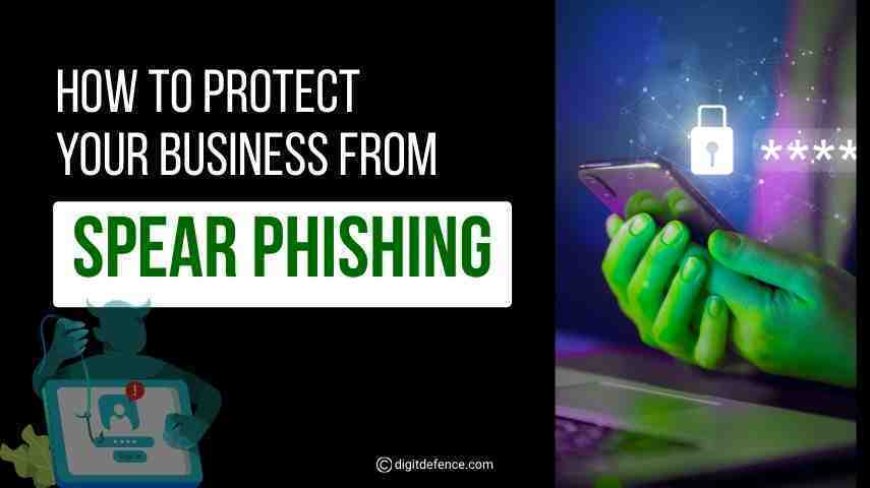
Have you ever received an email that looked completely real, but later turned out to be fake? What if one of your employees clicked on it and unknowingly exposed sensitive company data? That’s the danger of spear phishing, one of the most targeted and damaging phishing cyber crime attacks businesses face today.
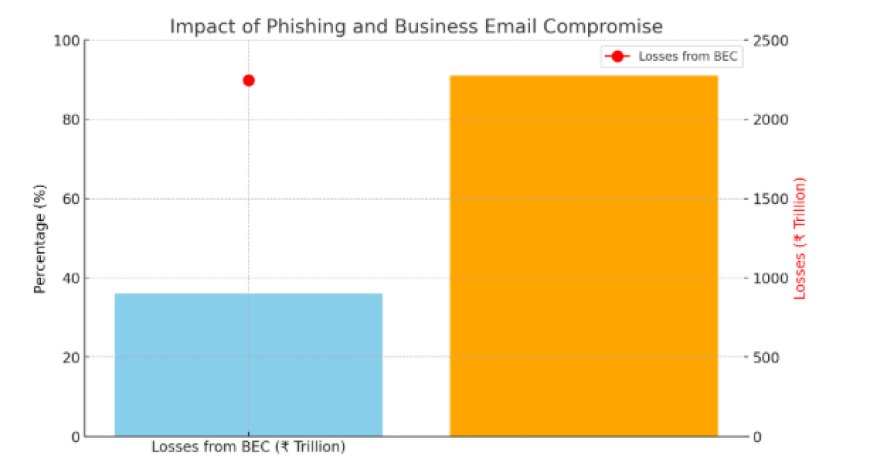
According to Verizon’s Data Breach Investigations Report, 36% of data breaches involve spam attacks or phishing attempts. A report by Deloitte found that 91% of all cyberattacks begin with a phishing scam, often through email. Meanwhile, the FBI’s Internet Crime Report revealed that business email compromise (a form of spear phishing) caused over ₹2.246 trillion in losses in 2022 alone.
Ubiquiti Networks, now called Ubiquiti Inc., is a global company known for affordable, high-performance networking products like routers, switches, and access points. Founded in 2003, it quickly gained trust among businesses and consumers worldwide.
In 2021, Ubiquiti faced a major data breach linked to insider threats and weak security controls. Attackers gained access to sensitive data, raising customer concerns about transparency and cloud security.
Ubiquiti responded by promoting two-factor authentication, stronger access controls, and better endpoint monitoring. The company also urged customers to update firmware and follow best practices to strengthen device security against targeted Phishing and other phishing cyber crime attacks.
What Is Spear Phishing?
Spear phishing is a highly targeted type of phishing scam where cybercriminals craft personalized emails to trick a specific person or organization. Unlike regular phishing, which is sent to thousands of random users, spear phishing emails are carefully researched and designed to look like they come from trusted sources such as colleagues, partners, or even executives.
These emails often:
-
Use real names and job titles to build trust.
-
Contain urgent requests, like money transfers or login verifications.
-
Include malicious links or attachments that install malware.
The goal is simple steal sensitive data, financial information, or gain access to business systems.
Why Spear Phishing Is Dangerous for Businesses
Here are the main reasons businesses should be highly concerned:
-
Hard to Detect
Spear phishing emails often look authentic because attackers research their targets in advance. They may use real names, job titles, or even insider details gathered from social media or past breaches. This level of personalization makes the emails convincing enough to bypass suspicion.
-
Targeted Attacks on Key Roles
Unlike broad phishing campaigns, targeted Phishing zeroes in on specific individuals who hold sensitive information or financial authority, such as CEOs, CFOs, HR managers, or IT administrators. These “high-value” targets are more likely to have access to confidential data, payroll systems, or company funds.
-
Costly Financial and Reputational Consequences
The financial losses from targeted Phishing can be devastating. Businesses may suffer unauthorized wire transfers, fraudulent invoices, or theft of intellectual property. Beyond immediate losses, companies also face legal penalties for data breaches, especially if customer data is exposed.
-
Long-Term Unauthorized Access
Perhaps the most dangerous aspect of targeted Phishing is that attackers don’t always reveal themselves immediately. Once inside, hackers may quietly monitor emails, capture login credentials, or exfiltrate sensitive files over time. This “silent infiltration” allows them to plan larger attacks, such as ransomware, insider fraud, or corporate espionage.
-
Disruption of Business Operations
Targeted phishing attacks can lead to downtime, especially if they result in ransomware infections or compromised IT systems. For businesses that depend heavily on digital operations, even a few hours of disruption can lead to missed deadlines, unhappy customers, and significant revenue loss.
Signs of a Spear Phishing Attack
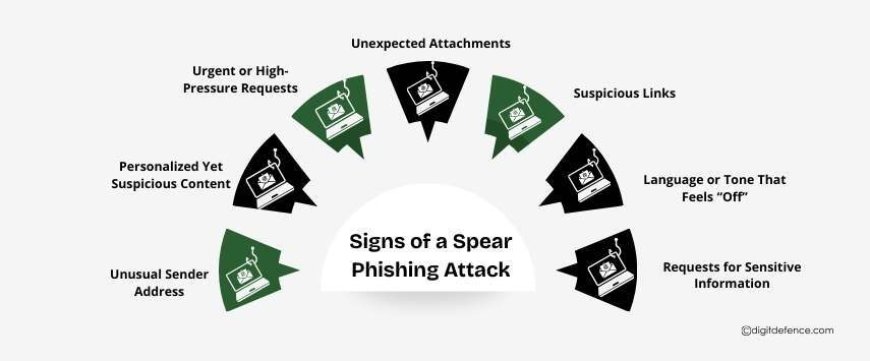
Most spear phishing emails share certain red flags that employees should be trained to spot:
-
Unusual Sender Address
The email may appear to come from a trusted source, but closer inspection often reveals a small variation in the domain name (e.g., [email protected] instead of [email protected]). These subtle changes are easy to miss if employees aren’t careful.
-
Personalized Yet Suspicious Content
Spear phishing emails often use the recipient’s name, job title, or references to recent company events to appear authentic. While personalization makes them look real, unusual requests or language that feels “off” should raise suspicion.
-
Urgent or High-Pressure Requests
Many phishing cybercrime emails demand quick action, such as approving a payment, clicking a link, or sharing sensitive data. The urgency is designed to bypass logical thinking and push the recipient into acting without verifying.
-
Unexpected Attachments
Attachments that seem unnecessary or come from an unusual source can contain malware. For example, an invoice file from a vendor you don’t usually deal with may be an attempt to trick you into opening a malicious document.
-
Suspicious Links
Attackers often embed links that lead to fake login pages or malicious websites. Hovering over the link usually reveals a mismatched or strange URL. Employees should be cautious of shortened links or ones that redirect through multiple domains.
-
Language or Tone That Feels “Off”
Even if an email uses correct grammar, the tone may not match the sender’s usual style. For example, a manager who usually writes formally might suddenly send an overly casual or rushed message. This is often a sign of impersonation.
-
Requests for Sensitive Information
Spear phishing emails often ask for confidential data such as passwords, financial details, or personal information. Legitimate organizations rarely request sensitive information via email.
How to Protect Your Business From Spear Phishing
-
Educate and Train Employees
Employees are the first line of defense. Regular training programs help them identify suspicious emails, avoid unsafe clicks, and report spam attacks immediately. Cybersecurity awareness sessions should include real-world targeted Phishing examples.
-
Implement Strong Email Security
Invest in advanced email filtering systems that detect malicious attachments, suspicious links, and spoofed addresses. Tools like multi-layered spam filters can block targeted Phishing attempts before they reach inboxes.
-
Use Multi-Factor Authentication (MFA)
Even if credentials are stolen, Multi Factor Authentication adds an extra security layer by requiring a second form of verification, such as a code sent to a mobile device. This reduces the chance of attackers gaining access.
-
Regularly Update Software and Systems
Outdated systems are vulnerable to exploitation. Regular updates and security patches help close loopholes that cybercriminals may use during phishing cyber crime campaigns.
-
Verify Requests Manually
Train employees to double-check unusual requests, especially those involving money transfers or sensitive data. A simple phone call to verify can prevent major losses.
-
Conduct Simulated Phishing Tests
Running periodic spam attack simulations allows businesses to assess how employees respond and identify areas where additional training is needed.
-
Protect High-Value Targets
Executives and finance teams are prime targets of targeted Phishing. Special security measures, such as stricter authentication and encryption, should be applied to their accounts.
-
Incident Response Planning
No defense is perfect. Having a clear incident response plan ensures quick containment and recovery if a phishing scam succeeds. This includes isolating affected systems, notifying stakeholders, and strengthening defenses for the future.
How Technology Helps Stop Spear Phishing
Technology plays a big role in defending businesses against targeted Phishing. Since these attacks are often highly targeted and hard to detect, advanced security tools add an extra layer of protection beyond human awareness.
Email Filtering Systems
Modern email security filters can detect suspicious patterns, block known malicious domains, and quarantine risky emails before they reach employees.
AI and Machine Learning
Artificial intelligence analyzes email behavior, language, and sender reputation. It can flag unusual communication that looks different from normal business interactions.
Multi-Factor Authentication (MFA)
Even if attackers steal login credentials through targeted Phishing, MFA makes it harder for them to access accounts without a second verification step.
Endpoint Security Tools
Endpoint protection software helps block malicious attachments and links that might install malware on business devices.
Threat Intelligence Platforms
These tools provide real-time updates on new phishing cyber crime techniques and domains used by cybercriminals, helping companies stay ahead of emerging threats.
Companies that invest in spear phishing protection not only safeguard their financial assets but also build long-term trust with customers, employees, and partners.
If you want expert help in protecting your business from spear phishing, phishing cyber crime, spam attacks, and other cyber threats, now is the time to strengthen your defenses.
Contact us today at [email protected] to secure your business.