How to Protect Your Business from Blackhat Hackers
Learn how to protect your business from blackhat hackers with proven steps, employee training, encryption, and expert cybersecurity support.
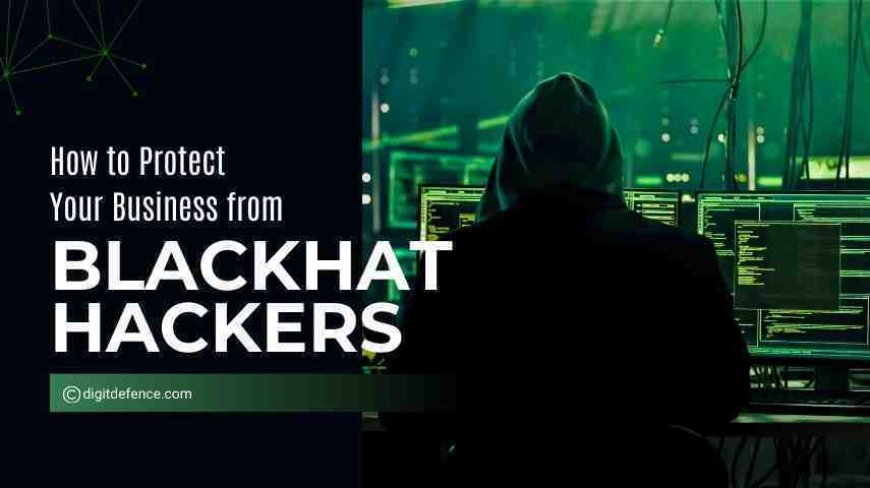
Heard about blackhat hackers? Sounds scary, right?
Many people think hackers are just random criminals, but blackhat hackers are more organized. They search for weak systems, attack businesses, and take advantage of any gap they can find. Knowing how they work is the first step to building strong protection before they harm your business.
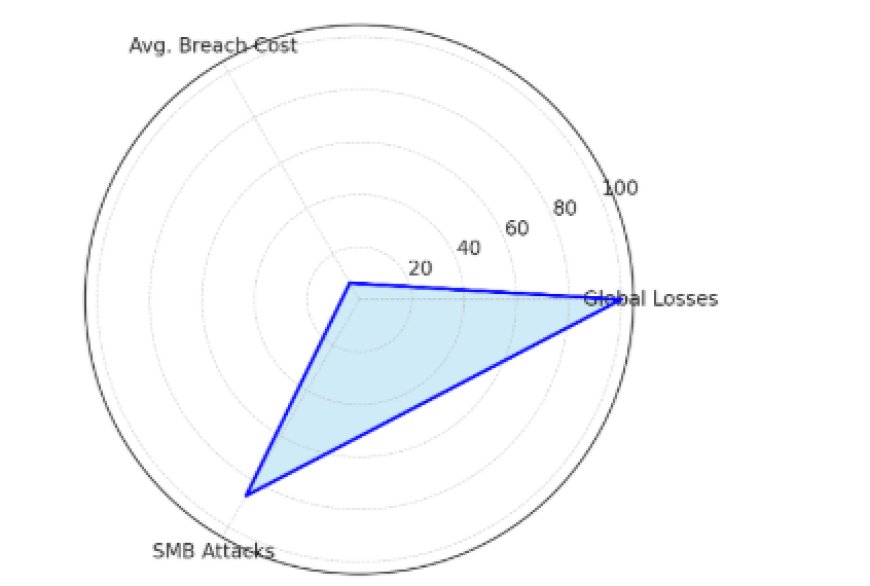
In 2022, cyberattacks caused over ₹49.8 lakh crore in global losses, according to Cybersecurity Ventures. A report by IBM found that the average cost of a data breach was about ₹3.61 crore per incident.
Interestingly, 43% of cyberattacks target small and medium businesses, showing that no company is too small to be a target.
In 2014, Sony Pictures was attacked by blackhat hackers. The hackers stole important company information like employee details, unreleased movies, and private emails. The attack caused big problems and showed how even large companies can face serious cyber risks.
Sony had several problems because of the attack. Hackers took advantage of weak security in the company’s systems. Important data was stolen, internal emails were leaked, and normal business work was disrupted. The attack also caused financial loss and hurt the company’s reputation.
After the attack, Sony took strong steps to protect itself. They updated all software, set stronger passwords, and added multi-factor authentication. Employees were trained to recognize phishing emails and other tricks. The company also started monitoring networks all the time and hired cybersecurity experts to find and fix weak points. These actions helped Sony recover and made their systems safer for the future.
What Is a Blackhat Hacker?
A blackhat hacker is a criminal who breaks into computer systems, networks, or applications to steal, damage, or misuse data. Unlike ethical hackers (whitehats), who test and fix security gaps, blackhats act with bad intentions, often for money, revenge, or disruption.
Their goals often include:
-
Stealing customer or financial data.
-
Locking files with ransomware to demand payment.
-
They sell stolen data online to strangers
-
They block access to important files and force you to pay a ransom
Why Hackers Target Businesses
Many small and medium-sized businesses believe they are too small for hackers to notice. The reality is different, 43% of all cyber attacks target small businesses because they usually have weaker defenses.
Hackers go after companies because they hold:
-
Customer details like names, emails, and card information.
-
Financial records and banking details.
-
Trade secrets, research, or product designs.
-
Partner and supplier information.
Losing this kind of data not only leads to money loss but also damages customer trust and can bring legal trouble.
Warning Signs Your Business May Be Under Attack
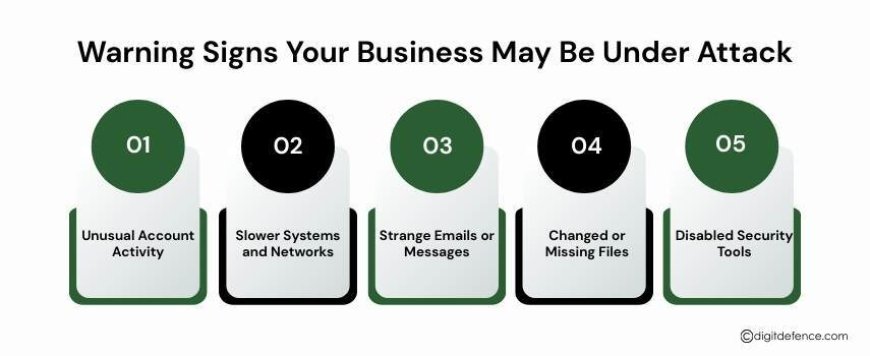
Blackhat hackers often leave behind signs before or during an attack. Knowing these warning signals can help you act quickly and reduce damage. Some common signs include:
-
Unusual Account Activity – If you notice logins from unknown places, multiple failed login attempts, or accounts being used at odd hours, it could mean someone is trying to break in.
-
Slower Systems and Networks – When hackers attack, systems often slow down or crash unexpectedly because of the extra load from malicious activity.
-
Strange Emails or Messages – Employees may start receiving suspicious emails with links, attachments, or requests for sensitive information.
-
Changed or Missing Files – If files are suddenly deleted, renamed, or moved without permission, it could be the work of hackers.
-
Disabled Security Tools – Hackers often try to turn off antivirus or firewall systems so they can continue unnoticed.
Spotting these early signs allows businesses to respond fast, secure their systems, and prevent bigger losses.
How to Protect Your Business from Blackhat Hackers
Below are proven steps to strengthen your defenses and make it harder for blackhat hackers to break into your systems.
1. Keep Software and Systems Updated
Hackers usually go after old or outdated software because it has weaknesses. If your programs are not updated, attackers can use those weaknesses to get into your systems. Keeping your software up to date with the latest security patches helps protect your servers, apps, and devices.
2. Use Strong Authentication
Passwords by themselves are no longer enough to keep your accounts safe. If a hacker steals or guesses a password, they can get in easily. Using multi-factor authentication (MFA) adds an extra layer of security by asking for additional proof, like a one-time password (OTP), approval on a phone, or a fingerprint.
3. Train Employees Regularly
Employees are often the first target of cyberattacks. Hackers use tricks like fake emails or malicious links to fool them. This is why staff training is very important. Training should cover how to:
-
Spot phishing attempts.
-
Avoid downloading unsafe files.
-
Report suspicious activity quickly.
4. Encrypt Sensitive Data
Encryption protects your data by converting it into a secret code that cannot be read without permission. Even if hackers steal information, encryption ensures it remains useless to them. Businesses should use encryption for both stored data and data being transferred across networks.
5. Monitor Networks 24/7
Cyber threats can occur anytime, even outside working hours. Continuous monitoring helps detect unusual activity early before it grows into a serious attack. Network monitoring tools can watch for unauthorized access, strange file movements, or suspicious login attempts.
6. Work with Ethical Hackers
Ethical hackers, also called whitehat hackers, help businesses find weaknesses in their systems. They use the same methods as blackhat hacking, but in a safe and legal way. Through penetration testing, they identify weak points and provide solutions to fix them before criminals can take advantage.
The Importance of Regular Software Updates
Keeping your software up to date is one of the easiest and most effective ways to protect your business from blackhat hackers. Hackers often try to take advantage of old or outdated programs because they have weaknesses that can be exploited.
Installing regular updates and security patches fixes these weak points, making it much harder for hackers to get into your systems. This includes all software, such as operating systems, apps, servers, and even mobile devices.
If you don’t update your software, hackers can find an easy way in to steal information, disrupt your business, or cause financial losses. Updating regularly helps keep your business safe and reduces the risk of cyberattacks.
Steps to Protect and Recover Your Systems from Blackhat Hackers
1. Identify the Breach
The first step is to find out exactly which systems, accounts, or files have been affected. This helps you understand the scope of the attack and decide which areas need immediate attention. Early detection reduces the damage and helps prevent the attack from spreading further.
2. Isolate Affected Systems
Once you know which devices or systems are compromised, disconnect them from the network. This stops hackers from moving through your network and infecting other devices. Isolation is crucial to contain the breach quickly.
3. Assess the Damage
Examine the impact of the attack carefully. Check which data has been lost, stolen, or altered. Understanding the extent of the damage will guide your recovery efforts and help you communicate clearly with stakeholders.
4. Restore from Backups
Recover lost or encrypted files from secure backups. Having regular and verified backups ensures that even if hackers lock or delete data, your business can continue operating with minimal disruption.
5. Change Passwords and Enable Multi-Factor Authentication (MFA)
Immediately reset passwords for all affected accounts. Turn on MFA to add an extra layer of security, requiring verification through a code, mobile approval, or biometrics. This prevents hackers from accessing accounts even if passwords are compromised.
6. Scan and Clean Systems
Use trusted antivirus and anti-malware tools to scan every device and remove any malicious software. Thorough cleaning ensures that hidden threats are eliminated and prevents hackers from returning.
Blackhat hackers are always looking for weak spots. They don’t care if your business is small or large. The Target data breach showed that even big companies can suffer when security is not strong.
The good news is that you can stay safe. By keeping software updated, using strong logins, training employees, protecting data with encryption, watching networks, keeping backups, and getting expert help, you can lower the risk of an attack.
Don’t wait for a cyberattack to harm your business. Start protecting your systems, data, and reputation today.