Protect Your Business with Strong API Security
Protect your business from cyber threats with robust API security. Secure data, prevent breaches, and ensure safe operations. Start protecting today!

Are your APIs truly secure, or are they a potential gateway for cybercriminals? Are you confident that your data and services are protected from unauthorized access?
With the increasing reliance on API Security, businesses today are more vulnerable than ever to cyberattacks targeting their application interfaces.
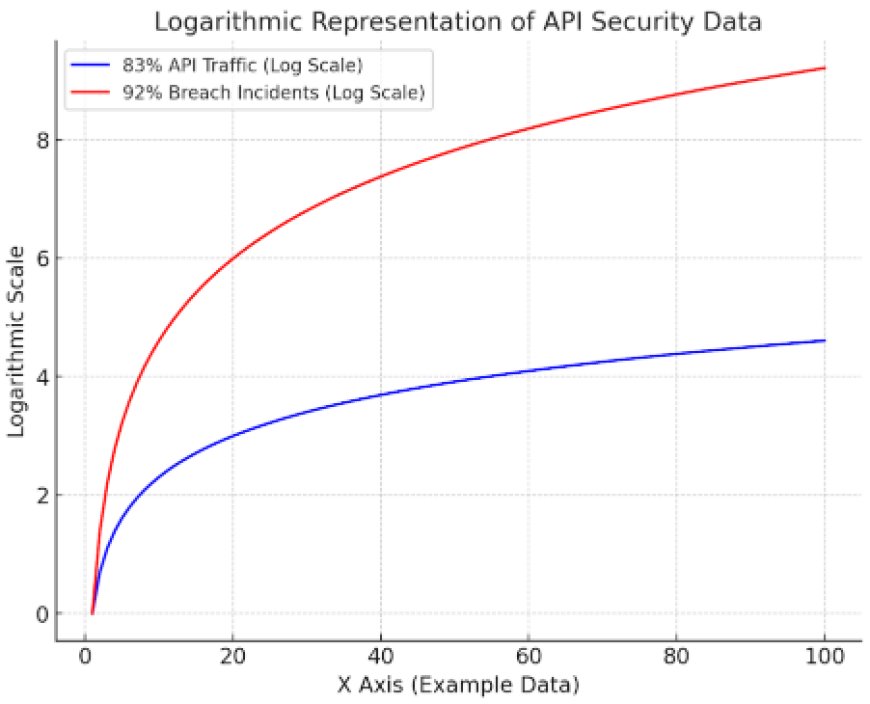
A recent study by Akamai revealed that 83% of web traffic is API traffic, making APIs a prime target for cybercriminals. Furthermore, 92% of organizations experience API security breaches due to misconfigurations or a lack of proper security protocols. In this quickly changing environment, businesses need to prioritize API security to protect sensitive data and ensure operational continuity.
A prime example of the importance of API security is the Facebook API breach. The breach involved over 50 million user accounts being compromised due to a vulnerability in Facebook’s Login API. Attackers were able to exploit a flaw in the API that allowed them to take over users' accounts.
As a result, Facebook faced significant public backlash and scrutiny, and the breach led to investigations and fines from regulatory authorities. This case demonstrates how a single vulnerability in an API can have far-reaching consequences for both business operations and customer trust.
What is API Security?
API Security refers to the measures and practices used to protect Application Programming Interfaces (APIs) from threats, vulnerabilities, and unauthorized access. APIs allow different software systems to communicate with one another, and they play a crucial role in modern digital services. However, APIs can also be a prime target for hackers, making it critical to secure them properly.
API Access Security involves a range of practices such as authentication, authorization, encryption, and rate limiting to ensure that only authorized users or systems can access specific data or services. Given that APIs are used to connect to sensitive information, strong API Access Security measures are necessary to protect against data breaches, fraud, and loss of critical business data.
Why Is API Security Critical for Your Business?
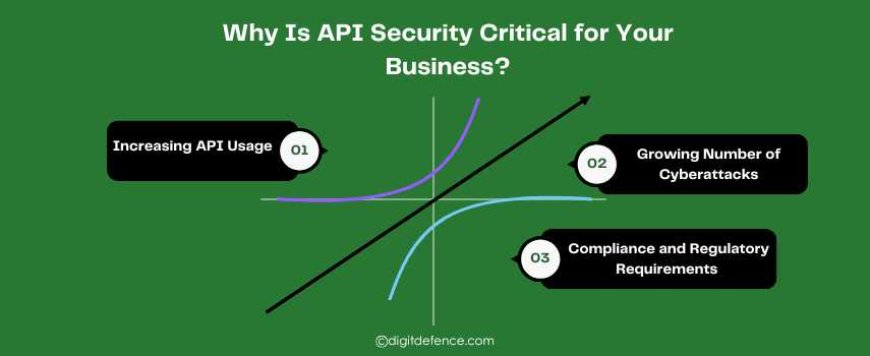
1. Increasing API Usage
With businesses integrating APIs into their operations, from cloud services to mobile apps, APIs have become the backbone of modern business infrastructure. This widespread usage means that APIs are often the most direct route for cybercriminals to exploit vulnerabilities and breach systems. API Access Security is essential to protect sensitive data from unauthorized access and ensure your business operations are secure.
2. Growing Number of Cyberattacks
The frequency of cyberattacks targeting APIs is growing exponentially. According to Salt Security, there was a 300% increase in attacks targeting APIs in 2020 alone. Attackers exploit API vulnerabilities to steal sensitive customer data, gain unauthorized access to systems, and even disrupt business operations. This makes protecting APIs crucial for safeguarding your brand reputation and customer trust.
3. Compliance and Regulatory Requirements
Compliance with data protection regulations like GDPR or CCPA is another reason why API Access Security must be prioritized. These regulations often require businesses to secure customer data and provide transparency regarding how it is accessed and used. Failing to comply with these regulations can lead to significant fines, legal consequences, and loss of customer trust. API Access Security ensures that your business meets these compliance standards while maintaining data integrity.
Key Strategies for Strengthening API Security
1. Implement Strong Authentication and Authorization
Authentication and authorization are the cornerstones of API security. Ensuring that only authorized users or systems can access your APIs is vital to preventing unauthorized access and attacks. Methods like OAuth, API keys, and JSON Web Tokens (JWT) are commonly used to verify the identity of users and applications accessing your API.
OAuth allows third-party applications to access a user’s resources without exposing sensitive credentials, while API keys serve as a simple but effective means of identifying and controlling access to specific services.
2. Use Encryption for Data Protection
Encryption is an essential component of API Access Security that ensures sensitive data is protected during transmission. By using TLS (Transport Layer Security) or SSL (Secure Sockets Layer), businesses can encrypt the communication between APIs and clients, making it much harder for cybercriminals to intercept and manipulate data.
This ensures that any data exchanged between clients and servers remains confidential and secure, reducing the risk of data breaches.
3. Employ Rate Limiting and Throttling
Rate limiting and throttling are techniques used to control the number of API requests made within a certain period. These measures help prevent Denial of Service (DoS) attacks and ensure that your API is not overwhelmed by malicious or excessive traffic.
By limiting the number of requests per minute or hour, you can also mitigate the risk of brute force attacks, where attackers try to guess API credentials or exploit vulnerabilities by sending numerous requests.
4. Regularly Test for Vulnerabilities
Conducting regular penetration testing and vulnerability assessments is crucial to identifying potential weaknesses in your API. Tools such as OWASP API Access Security Top 10 provide a list of common API vulnerabilities that businesses can assess to improve their security posture. Regular testing helps ensure your APIs remain secure as new threats emerge.
5. Monitor and Log API Traffic
API monitoring is an essential part of any API Access Security strategy. By continuously tracking API requests and responses, businesses can detect abnormal activities and potential attacks in real time. Comprehensive logging provides the visibility needed to understand how APIs are being accessed and ensures that any unauthorized access is quickly identified and addressed.
Best Practices for Securing Your API
-
Use multi-factor authentication (MFA) for API users to add an extra layer of protection.
-
Apply the principle of least privilege (PoLP), ensuring that users and systems only have access to the data and actions necessary for their role.
-
Implement API gateways to act as a barrier between external systems and your internal infrastructure, providing an extra layer of security.
-
Stay up-to-date with the latest security patches and updates to prevent known vulnerabilities from being exploited.
API security is not just a technical necessity but a business imperative. As APIs become the foundation of modern business operations, protecting them from unauthorized access and cyber threats is crucial. By implementing strong authentication, encryption, monitoring, and testing strategies, businesses can safeguard their data, maintain customer trust, and comply with regulatory requirements.
If you're ready to strengthen your API security, contact us at [email protected] to create a tailored security strategy for your business. Secure your APIs and protect your digital assets today!