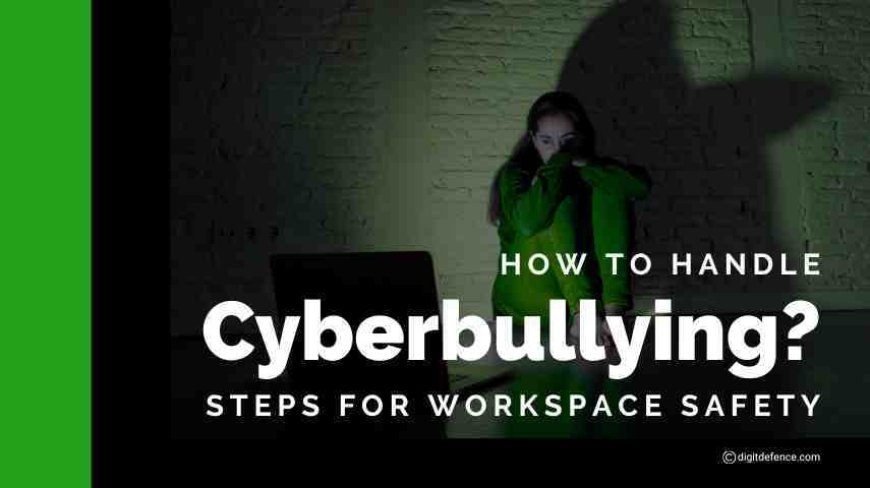
How to Handle Cyberbullying? Steps for Workplace Safety?
Learn how to handle cyberbullying at work with easy steps to stay safe, protect your team, and build a positive workplace.
Cyberbullying often goes unnoticed in workplace emails, messaging apps, video calls, and social media. This hidden issue can deeply affect employee well-being and trust. When left unchecked, it leads to low morale, increased absenteeism, damaged reputations, and turnover.
Ignoring digital harassment risks long-term damage to your work environment. A structured cybersecurity solution is key to identifying, tracking, and proactively preventing these.
By combining secure communication tools, monitoring systems, and policy enforcement, organizations can take real steps to protect their teams and maintain a respectful workplace.
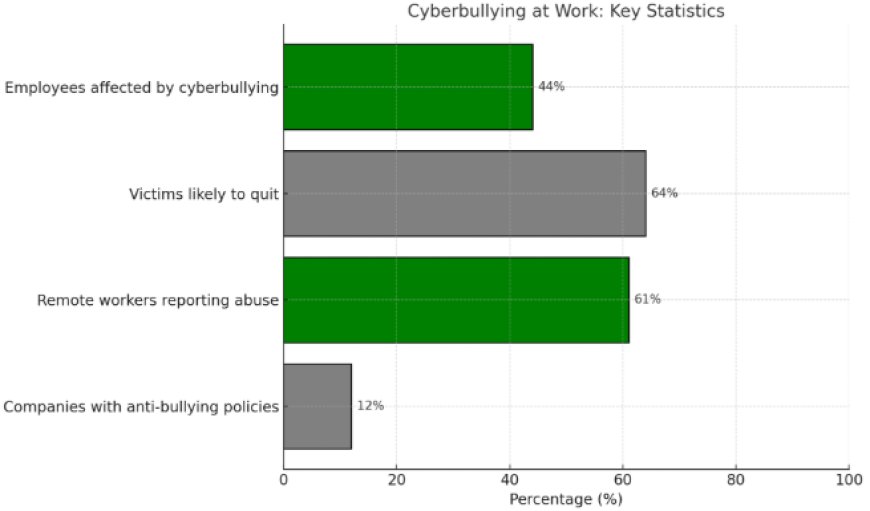
Cyberbullying at work affects 44% of employees, with 64% of victims likely to quit. Remote workers are hit hardest; 61% report online abuse, yet only 12% of companies have policies to handle it. A cybersecurity-led approach is key to stopping it proactively.
What Is Cyberbullying?
Cyberbullying in the workplace means using digital tools to harass, intimidate, or isolate someone. It is often subtle, like a message with a harsh tone or leaving someone out of a meeting. When it happens repeatedly, it causes stress and creates a negative work environment.
Examples of workplace cyberbullying include:
-
Sending passive-aggressive emails regularly
-
Leaving someone out of team chats or calls
-
Sharing private or embarrassing messages
-
Making fun of someone’s work in group conversations
-
Threatening job security through online comments
Unlike physical bullying, cyberbullying can affect employees outside of work hours. It is often hidden and can cause lasting harm. That’s why it is important for companies to recognize and stop cyberbullying to keep the workplace safe and respectful.
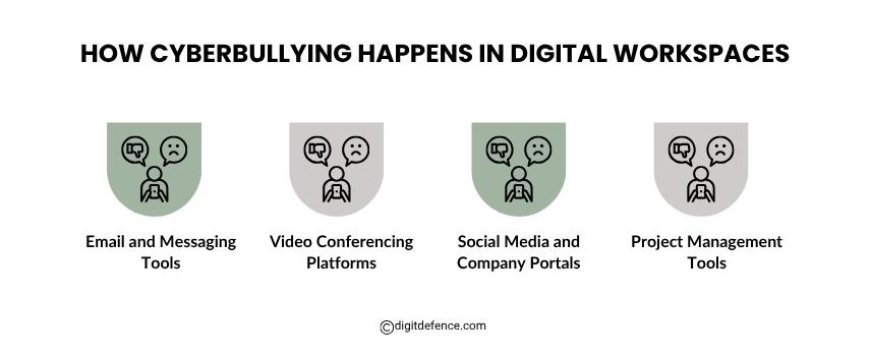
How Cyberbullying Happens in Digital Workspaces
Cyberbullying often takes place on the same digital platforms that teams use for daily work. Here are some common areas where it can occur:
-
Email and Messaging Tools
Platforms like Gmail, Outlook, Slack, or Teams can be misused to send hurtful messages, exclude colleagues, spread gossip, or even launch phishing scams targeting employees.
-
Video Conferencing Platforms
During calls on Zoom, Google Meet, or any other enterprise video conferencing solution, bullying can show up as interruptions, mocking gestures, or leaving someone out of meetings.
-
Social Media and Company Portals
Sites like LinkedIn or internal company networks can be used to embarrass or damage someone’s reputation in front of others.
-
Project Management Tools
Comments in tools such as Jira, Asana, or Trello can be passive-aggressive and, when repeated, become a form of bullying.
Teams need to recognize these actions as serious issues and address them, rather than dismissing them as jokes or misunderstandings.
How Cybersecurity Supports Workplace Safety
Cybersecurity is not just about protecting against external cybersecurity threats like hacking and phishing; it also plays a vital role in managing internal risks such as cyberbullying.
Key ways cybersecurity strengthens workplace safety include:
-
Implementing digital monitoring and access controls to regulate communication channels. Role-based permissions and activity logs help detect inappropriate behavior early.
-
Ensuring secure storage of communication records, including emails and chat logs, which serve as critical evidence for HR and legal proceedings related to cyberbullying.
-
Providing secure and confidential reporting systems that encourage employees to report concerns without fear of retaliation.
-
Offering regular training focused on digital conduct, secure communication practices, and responsible technology use to foster a respectful work culture.
Collaboration between cybersecurity teams and HR departments creates a strong framework to identify, prevent, and address cyberbullying, maintaining a safe and productive workplace.
What Is Section 181 of the Online Safety Act?
-
Purpose: Protects users from harmful online content like abuse, harassment, and threats
-
Goal: Creates a safer online environment by holding companies accountable for digital safety.
-
Business Responsibility: Requires companies to monitor and manage online activity to keep users safe.
-
Policy Requirement: Organizations must have clear policies to detect and respond to harmful content quickly.
-
Cybersecurity Role: Helps shape cybersecurity strategies focused on online safety and risk management.
-
Legal Compliance: Following Section 181 avoids penalties and builds user trust.
How to Train Teams to Handle Digital Harassment
Training is essential to prevent digital harassment. If employees don’t recognize cyberbullying, they may not report it or may unknowingly contribute to it.
-
Provide Real-World Examples of Cyberbullying
Use case studies to illustrate unacceptable behavior in emails, chats, and virtual meetings.
-
Distinguish Between Acceptable Communication and Harassment
Define what constitutes bullying versus normal workplace interactions, focusing on repeated and harmful behavior.
-
Equip Managers with Identification and Response Skills
Train supervisors to recognize signs of harassment, provide support, and take appropriate action promptly.
-
Include IT and Security Teams in Awareness Programs
Collaborate with technical staff to explain how digital misconduct is monitored and addressed.
-
Integrate Anti-Harassment Policy in Employee Onboarding
Ensure every employee understands the company’s zero-tolerance stance and the process for reporting incidents from day one.
FAQs
1. Is cyberbullying a type of cybercrime?
Yes, when cyberbullying involves threats, defamation, or harassment, it may be treated as a cybercrime under IT and workplace laws.
2. What is online safety?
Online safety means protecting users from risks like cyberbullying, scams, or data misuse through secure tools, awareness, and policies.
3. What are the risks of cyberbullying?
It can harm mental health, lower morale, damage reputations, and increase turnover. For businesses, it risks of legal and cultural issues.
4. How to get help with cyberbullying?
Report incidents to HR or your company’s internal support. Keep records. Legal help or cybersecurity support may be needed in serious cases.
5. What are some safety tips for cyberbullying?
-
Don’t engage with bullies
-
Save proof (emails, chats)
-
Report early
-
Use privacy settings
-
Attend workplace training
Cyberbullying in the workplace is a growing concern that directly affects employee well-being, trust, and overall performance. When left unaddressed, it can quietly harm teams and culture.
Using cybersecurity measures, clear communication policies, and proper training, companies can prevent digital harassment and create a respectful work environment.
Taking early steps protects your team, strengthens company values, and supports long-term success.
Create a Safe Digital Workspace
For employee training and cyberbullying prevention, contact us at [email protected].