How to Prevent Phishing Scams in Cybersecurity?
Learn practical ways to identify and prevent phishing scams in cybersecurity. Understand key strategies to protect your digital assets.

Can One Click Lead to a Major Security Breach?
Yes, A single click on a phishing email can trigger malware, ransomware, or unauthorized access to critical company data. This can result in costly downtime, loss of sensitive information, and damage to your company’s reputation. The challenge is that these emails often look legitimate, making it difficult even for experienced professionals to identify the threat right away.
Understanding how to prevent phishing scams in cybersecurity requires the right tools, staff training, and clear response plans. This approach helps organizations reduce risks and respond quickly to threats.
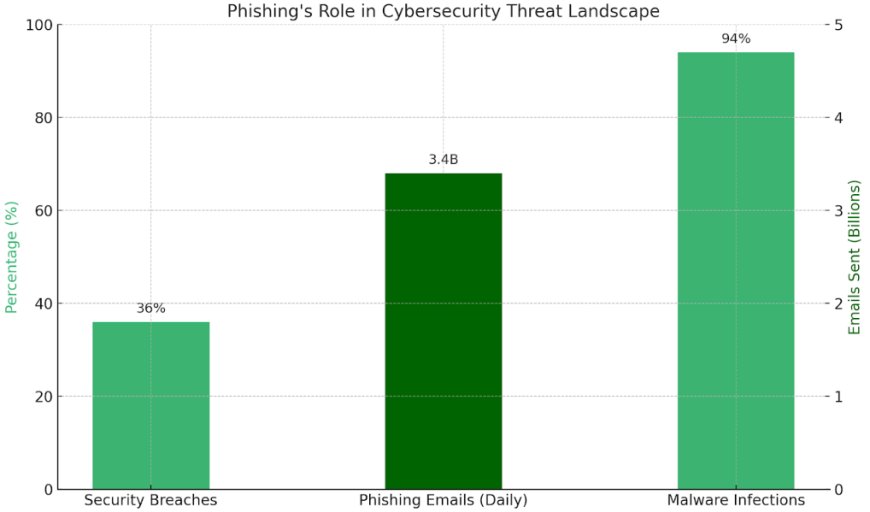
According to a study, phishing incidents account for 36% of all security breaches, with over 3.4 billion phishing emails sent daily. These attacks are responsible for 94% of malware infections, making phishing the primary method cybercriminals use to gain access.
Zoom became widely used during the COVID-19 pandemic, making it a target for cybercriminals. Attackers sent phishing emails that looked like real Zoom meeting invites to trick users into clicking harmful links. These emails used fake sender addresses and often bypassed security filters.
One phishing scam used emails from [email protected] that passed security checks. Victims were sent to fake login pages to steal their credentials or tricked into downloading harmful files disguised as Zoom software.
To stop these attacks, companies trained employees to spot phishing emails, added filters to block suspicious links, enforced multi-factor authentication, and ran regular phishing tests. These steps helped reduce risks and protect against phishing scams targeting Zoom users.
What Is Phishing?
Phishing is a form of cyberattack where fraudsters use deceptive emails, texts, or websites to obtain sensitive information. This information can include:
-
Usernames and passwords
-
Bank or credit card details
-
Personal identification numbers
-
Confidential business information
Attackers impersonate trusted organizations such as banks, technology providers, or colleagues. They often create a sense of urgency to prompt immediate action. When a victim engages with these messages, attackers can steal data, install malware, or gain unauthorized access to company systems.
Understanding How Phishing Attacks Work
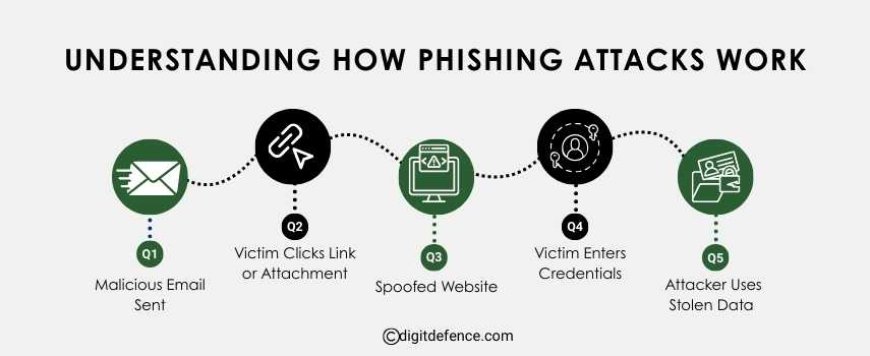
Phishing is a cyberattack where hackers trick people into sharing sensitive information by pretending to be trusted sources. Here’s how a typical phishing attack happens:
-
Malicious Email Sent: The attacker sends an email that looks like it’s from a legitimate company, such as a bank or employer. These emails often create urgency to push recipients to act quickly.
-
Victim Clicks Link or Attachment: The email contains a link or attachment that the victim clicks, unknowingly triggering the attack. These links may lead to harmful websites or download malware.
-
Spoofed Website: The victim is directed to a fake login page designed to look like a real service, tricking them into entering their login credentials or personal information.
-
Victim Enters Credentials: Believing the site is genuine, the victim enters sensitive data like usernames, passwords, or financial details.
-
Attacker Uses Stolen Data: Attackers use the stolen information to access company systems or accounts, leading to data breaches, financial loss, or operational disruptions.
Types of Phishing Attacks
-
Email Phishing
This is the most common type. Attackers send fake emails that look like they come from real companies or contacts. These emails try to get people to share personal information, click harmful links, or open dangerous attachments that can infect devices.
-
Spear Phishing
This targets specific people or companies. Attackers gather information about their target to make the email look more real and trustworthy. Because of this, victims are more likely to be tricked into giving up sensitive information.
-
Whaling
A special type of spear phishing aimed at top executives or important decision-makers. The goal is to steal critical business information or trick them into approving fake payments. These emails often use urgent or confidential language to increase pressure.
-
Smishing
Phishing is done through text messages. These messages often ask for quick action or contain links that lead to fake websites. The goal is to steal passwords or install harmful software on mobile phones.
-
Vishing
Phishing through phone calls. Attackers pretend to be trusted people, such as bank staff or IT support. They use social pressure or fear to get victims to share private information like passwords or credit card details.
How to Prevent Phishing Scams in Cybersecurity?
To build effective protection against phishing threats, organizations must adopt a structured defense model. Below are five core areas that play a critical role in reducing exposure and strengthening overall cybersecurity posture.
1. Employee Awareness and Training
-
Phishing Simulation Exercises
Conduct targeted phishing simulations to assess employee readiness. These controlled tests reveal weak points and reinforce proper handling of suspicious emails. -
Continuous Security Education
Implement ongoing training programs that update staff on emerging phishing tactics and reinforce organizational security policies, ensuring awareness stays current.
2. Advanced Email Security Controls
-
Intelligent Threat Detection
Implement AI-driven email security solutions that analyze message content, sender reputation, and behavior to detect phishing attempts before they reach users. -
Email Authentication Standards
Enforce SPF, DKIM, and DMARC protocols to verify sender legitimacy and prevent spoofing, significantly reducing the risk of phishing emails bypassing filters.
3. Multi-Factor Authentication (MFA) Enforcement
-
Strong, Phishing-Resistant MFA
Adopt MFA methods such as hardware tokens or biometric authentication, which are less susceptible to interception or social engineering. -
Critical Account Protection
Require MFA on all high-risk and administrative accounts to add an essential security layer, limiting access even if credentials are compromised.
4. Role-Based Access Management
-
Principle of Least Privilege
Limit user permissions strictly to necessary resources, minimizing potential damage in the event of compromised credentials. -
Periodic Access Audits
Regularly review and adjust access rights to ensure compliance with current roles, promptly revoking unnecessary or outdated permissions.
5. Incident Detection and Response
-
Continuous Monitoring and Alerting
Implement real-time monitoring tools that flag anomalies such as unusual login patterns or mass email forwarding, enabling rapid identification of phishing incidents. -
Structured Incident Response Plans
Develop clear response protocols outlining immediate containment actions, investigation steps, and recovery processes to reduce impact and downtime.
Phishing scams remain one of the biggest cybersecurity threats, affecting organizations of all sizes. Understanding how to prevent phishing scams in cybersecurity is essential to protect sensitive data, maintain trust, and avoid costly damage.
Want to protect your business from phishing and cyber threats?
Email us at [email protected] to learn more about our services.
Keep your data safe with the right protection.