
How Cybersecurity Vulnerabilities Affect Your Business?
Cybersecurity vulnerabilities can lead to costly data breaches, damaged reputations, and lost customers. Learn how to protect your business today!
Are you aware of the vulnerabilities in your business's cybersecurity infrastructure?
Could your company be at risk of a devastating data breach or cyberattack? In today’s digital environment, cybersecurity vulnerabilities have become a significant concern for businesses of all sizes. With data breaches and cyberattacks on the rise, even the smallest gaps in your security system can lead to severe consequences.
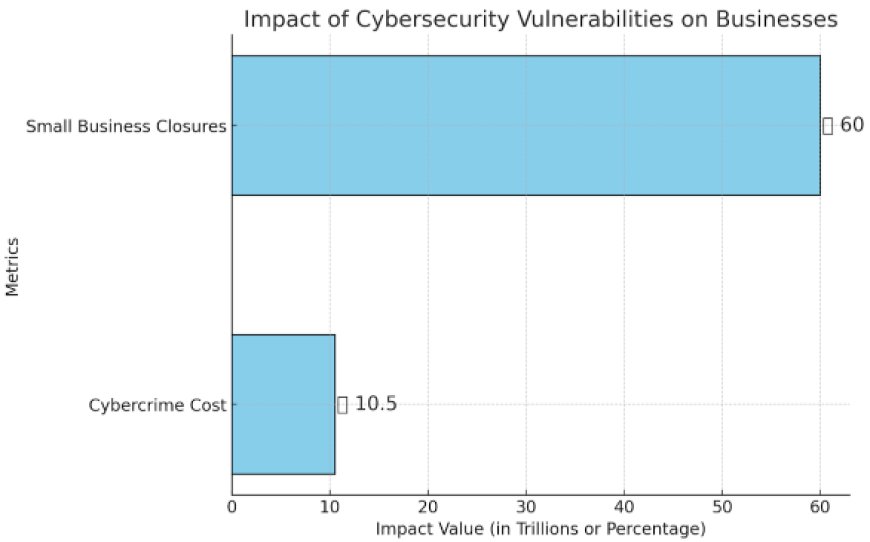
According to Cybersecurity Ventures, cybercrime is expected to cost businesses around the world $10.5 trillion annually by 2025. Additionally, 60% of small businesses close within six months of experiencing a cyberattack. These alarming statistics show the urgent need for businesses to identify and address vulnerability in cybersecurity.
Consider the Equifax data breach, one of the most recognized cybersecurity incidents in history. The credit reporting agency suffered a breach that exposed the sensitive personal data of over 147 million Americans. The breach was caused by a vulnerability in cybersecurity, an unpatched software flaw in Apache Struts, which was exploited by cybercriminals.
The following was devastating: Equifax had to spend millions on fines, legal settlements, and reputation recovery. This breach is a stark reminder of how cybersecurity vulnerabilities can lead to significant financial loss, damage to reputation, and a loss of customer trust.
What is a Cybersecurity Vulnerability?
A cybersecurity vulnerability refers to a weakness in a system, software, or network that could be exploited by hackers to gain unauthorized access, steal data, or cause disruption. These vulnerabilities can exist in various forms, such as outdated software, weak passwords, or insufficient network protection. In many cases, cybercriminals use these vulnerabilities as entry points to launch more sophisticated attacks, such as ransomware, data breaches, or denial-of-service (DoS) attacks.
Understanding the different types of vulnerability in cybersecurity is key to protecting your business from attacks. Vulnerabilities can be found in:
-
Software: Unpatched or outdated software can have security flaws that hackers can exploit.
-
Network Security: Weak network defenses, such as firewalls or poorly configured routers, can expose businesses to attacks.
-
Human Error: Phishing scams, weak passwords, and employees’ lack of cybersecurity awareness are common vulnerabilities.
-
Cloud Security: Misconfigurations in cloud storage or inadequate access control policies can create security gaps.
How Cybersecurity Vulnerabilities Affect Your Business
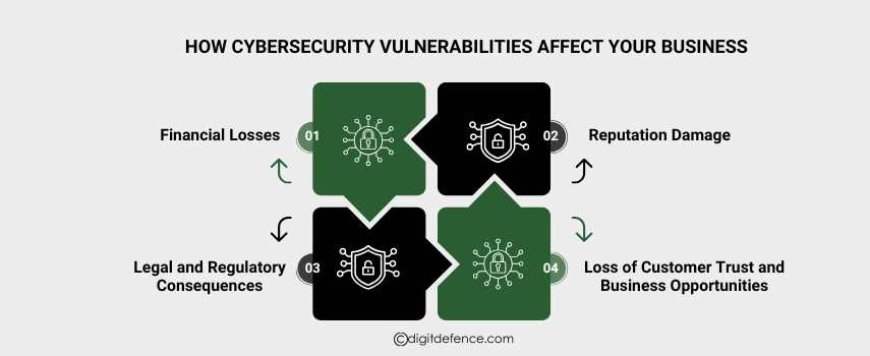
1. Financial Losses
One of the most immediate impacts of cybersecurity vulnerabilities is the financial loss your business might suffer from a cyberattack. According to a report by Ponemon Institute, the average cost of a data breach for companies in 2020 was $3.86 million. These costs can include direct expenses like legal fees, compensation, and recovery efforts, as well as indirect costs such as lost business, reputational damage, and regulatory fines.
2. Reputation Damage
A cybersecurity vulnerability can severely damage your business's reputation. Customers trust you with their personal and financial information, and when that trust is broken, it can be difficult, if not impossible, to regain. A data breach or security lapse sends a message that your company isn’t capable of protecting its clients, which can lead to negative press, loss of clients, and difficulty attracting new business.
3. Legal and Regulatory Consequences
In many industries, businesses are required to follow strict data protection regulations. Failure to address cybersecurity vulnerabilities can result in violations of regulations such as the General Data Protection Regulation (GDPR) in the EU or the Health Insurance Portability and Accountability Act (HIPAA) in the U.S. Non-compliance can lead to significant fines and legal penalties.
4. Loss of Customer Trust and Business Opportunities
When a business is the victim of a cyberattack, the loss of customer trust can have long-lasting effects. Customers may not feel comfortable doing business with a company that has suffered a breach, and this can lead to reduced customer retention and fewer growth opportunities. A vulnerability in cybersecurity can also hinder your ability to maintain partnerships and attract investors, as companies are less likely to want to work with a business that lacks a strong security posture.
How to Prevent Cybersecurity Vulnerabilities
The good news is that businesses can take steps to identify and address cybersecurity vulnerabilities before they are exploited. Here are some key measures you can implement to protect your business:
-
Regular Software Updates: Ensure all software and systems are up-to-date with the latest patches and security updates to prevent exploitation.
-
Employee Training: Educate your employees on identifying phishing attempts and avoiding weak passwords.
-
Implement Firewalls and Encryption: Use firewalls and encryption to protect sensitive data from unauthorized access.
-
Conduct Regular Vulnerability Assessments: Perform vulnerability scans and penetration testing to identify potential weaknesses in your network and systems.
-
Backup Data: Ensure that your data is regularly backed up and can be restored in case of a cyberattack.
Cybersecurity vulnerabilities pose a serious threat to businesses, leading to financial losses, reputational damage, legal consequences, and loss of customer trust. By taking proactive steps to identify and fix these vulnerabilities, businesses can safeguard their assets, maintain customer trust, and avoid costly cyberattacks. Investing in strong cybersecurity practices is no longer optional, it’s essential for business survival in the digital age. For businesses looking to enhance their cybersecurity strategy, seeking expert guidance and implementing the right tools and protocols can go a long way in reducing risks and ensuring long-term success.
Ready to protect your business from cybersecurity vulnerabilities? Reach out to our experts today at [email protected] and start securing your business now.