Understanding the Costs of Cyber Security Services Companies
Explore the costs of cyber security services, factors influencing pricing, and how companies manage security needs to protect digital assets.
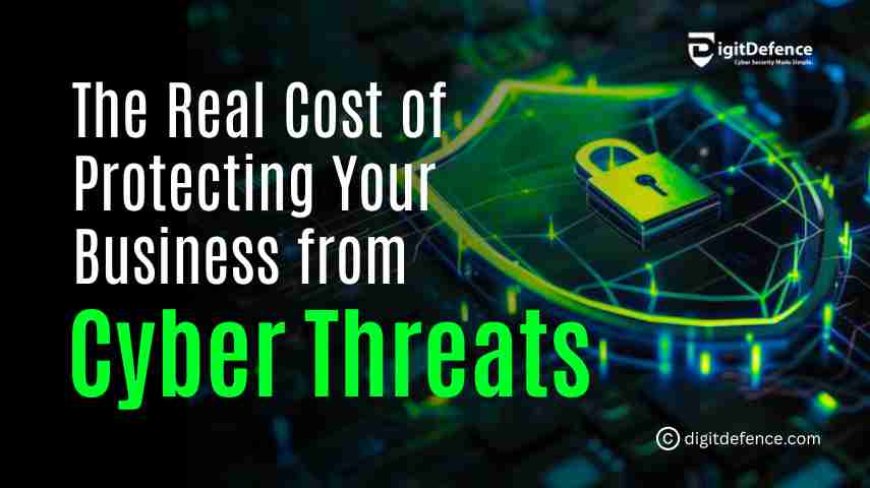
As a cybersecurity specialist, I’ve seen how businesses often underestimate the costs involved in protecting their networks and data. Cybersecurity is not a one-size-fits-all solution, and the expenses can vary depending on the company’s size, the sensitivity of its data, and the types of threats it faces. The cost typically includes not just purchasing software or hiring a security team, but also developing a full security strategy that integrates technology, processes, and people. Cyber Security Services Companies are key in helping businesses create this strategy and manage their security needs within budget.
The real cost of cybersecurity goes beyond just the tools and services. Many businesses overlook hidden expenses like employee training, time spent managing security, and the potential financial damage caused by a data breach. Cyber Security Services Companies can help businesses avoid these overlooked costs by offering comprehensive protection that saves money in the long run. Ultimately, investing in cybersecurity is about securing the company’s future and protecting its reputation, making it an essential part of any business strategy.
What Are Cyber Security Services?
Cybersecurity services encompass a range of solutions and actions designed to protect an organization's digital assets, systems, networks, and data from malicious threats. These services can include:
-
Threat detection and prevention: Identifying and blocking potential attacks before they can cause harm.
-
Incident response and recovery: Quickly addressing and mitigating the impact of a cyber attack if it occurs.
-
Network security: Safeguarding the integrity and confidentiality of data during transmission across networks.
-
Cloud security: Protecting cloud-based data and systems from cyber threats.
-
Managed security services: Outsourcing security operations to a third-party provider who monitors and manages security 24/7.
-
Compliance and auditing: Ensuring the business adheres to security standards, laws, and industry regulations (such as GDPR, HIPAA, or PCI DSS).
Key Factors Affecting the Cost of Cyber Security Services
The cost of cyber security services can vary based on several factors, including:
-
Size of the Organization
Larger companies require more complex and customized solutions, leading to higher costs. Small businesses may opt for simpler, less expensive services, but still need basic protection like firewalls and endpoint security. -
Type of Services Required
Basic services (antivirus, firewalls) are more affordable, while advanced services (penetration testing, 24/7 monitoring) cost more. If you're in a regulated industry (e.g., healthcare, finance), additional services like encryption and compliance tools may increase costs. -
Expertise and Specialization
Providers with specialized knowledge of certain industries or security threats often charge a premium. For high-risk sectors, like finance or healthcare, you may need a provider with deep expertise. -
Service Delivery Model
-
Managed Security Service Providers (MSSPs) offer ongoing security services at a recurring fee, ideal for companies without in-house teams.
-
Consulting/Project-Based Services are one-time fees for specific services like audits or tests.
-
Subscription-based services charge on a per-user or per-device basis for ongoing protection.
-
Geographic Location
Providers in high-cost areas (e.g., the U.S. or Europe) may charge more than those in lower-cost regions. However, offshore providers might offer savings but need to meet quality and response time expectations. -
Customization and Scalability
Tailored security solutions are more expensive than off-the-shelf ones, but they ensure better alignment with your unique risks and needs. Scalable services allow your security infrastructure to grow with your business, potentially saving costs in the long term.
Breakdown of Cybersecurity Service Pricing
Cybersecurity services can be priced in different ways, depending on the service provider and the scope of the protection needed. Here’s a breakdown of typical pricing structures:
1. Flat Fees
Some cybersecurity service providers offer flat-rate pricing for small businesses or organizations with relatively simple needs. This is usually a monthly or annual fee and can cover basic protections like antivirus, firewalls, and a limited number of devices.
-
Example: A basic firewall protection service for a small company may cost between $50 and $200 per month.
2. Per User or Per Device Pricing
Another common pricing model is per-user or per-device pricing. This approach works well for businesses that need scalable solutions. The more users or devices that need protection, the higher the cost.
-
Example: For endpoint protection, businesses might pay between $5 and $15 per user per month. For enterprise-level solutions, this could rise to $20 or more per user.

3. Tiered Pricing
Some companies offer tiered pricing, where the cost increases based on the level of service provided. For example, a basic package might include antivirus and firewall protection, while higher tiers could include more advanced threat detection, compliance services, and 24/7 monitoring.
-
Example: A standard package might cost $500 per month, while an advanced package with 24/7 monitoring and incident response could cost $2,500 per month.
4. Consultation and Project-Based Pricing
For tailored, high-level services like penetration testing, security audits, or major infrastructure overhauls, cybersecurity providers often charge on a project basis. The cost will depend on the scope and duration of the engagement.
-
Example: Penetration testing can cost anywhere from $5,000 to $20,000 depending on the complexity of your network.
Return on Investment (ROI) of Cyber Security Services
While the cost of cyber security services may seem daunting, it’s essential to consider the long-term return on investment (ROI). Cybersecurity is an investment in your company’s resilience and reputation. The cost of a data breach whether financial, legal, or reputational can be far greater than the upfront investment in cybersecurity.
-
Financial Protection: The average cost of a data breach in the U.S. is around $4.45 million (according to IBM's 2023 Cost of a Data Breach report).
-
Regulatory Fines: Non-compliance with industry regulations can result in hefty fines, sometimes exceeding millions of dollars.
-
Brand Reputation: A breach can irreparably damage your brand’s trust with customers, leading to lost business and revenue.
How to Choose the Right Cybersecurity Provider
Choosing the right cybersecurity provider is crucial for protecting your business from cyber threats. When evaluating providers, consider the following:
-
Experience and Reputation: Look for providers with a proven track record in your industry and expertise in managing the specific cybersecurity risks you face. Check their reputation by reading reviews, asking for case studies, and looking at their certifications (such as ISO 27001, SOC 2, or PCI DSS compliance).
-
Security Tools and Technologies: The provider should use up-to-date tools and technologies that align with industry best practices. Ask about their threat detection, response times, and the security solutions they employ.
-
Response Time and Support: Cybersecurity is an ongoing concern, and your provider should be responsive in case of an emergency. 24/7 support, incident response capabilities, and clear communication channels are essential features to look for.
-
Cost Transparency: Be sure to understand the full pricing structure before committing to a service. Some providers may offer low upfront costs but charge hidden fees for essential services, while others may offer clear, all-inclusive pricing.
-
Scalability and Flexibility: Choose a provider that can grow with your business. As your company expands, your cybersecurity needs will evolve, and you want a provider who can adjust their offerings accordingly.
Case Study 1: Yahoo – The 2013-2014 Data Breaches
Overview:
In 2013 and 2014, Yahoo experienced one of the largest data breaches in history, affecting all 3 billion of its user accounts. The breach exposed personal information such as email addresses, passwords, and security questions. The attack was carried out by a state-sponsored group, and Yahoo’s delayed response and outdated security systems made it an easy target.
Implementation:
After the breach, Yahoo took immediate action to improve its cybersecurity. They worked with Cyber Security Services Companies to strengthen their systems by using stronger encryption and enhancing their security monitoring. They also trained employees to be more aware of cybersecurity risks like phishing attacks.
Outcome:
The breach cost Yahoo significantly, including legal fees, regulatory fines, and a $350 million reduction in the company’s sale price to Verizon. Yahoo’s reputation also suffered, and user trust was severely impacted. However, by investing in stronger security measures, Yahoo improved its defenses, although the breach showed the need for proactive security and quick response to threats.
Case Study 2: Adobe – The 2013 Data Breach
Overview:
In 2013, Adobe experienced a data breach that affected 38 million users. The breach exposed sensitive information such as email addresses, passwords, and credit card details, and also compromised source code for popular products like Photoshop. The attack exploited weaknesses in Adobe's cloud infrastructure.
Implementation:
After the breach, Adobe worked with Cyber Security Services Companies to enhance its security. They implemented better encryption methods to protect customer data and strengthened the security of their cloud services. Adobe also introduced two-factor authentication for added protection.
Outcome:
The breach cost Adobe millions in legal fees, settlements, and security upgrades. While Adobe offered credit monitoring to affected customers, the breach hurt its reputation. However, Adobe improved its cybersecurity practices, which helped rebuild trust with users. This case emphasized the need for strong cloud security and encryption to protect customer data.
The cost of cybersecurity services can vary based on several factors, but it’s essential to view cybersecurity as an investment rather than an expense. With cyber threats becoming increasingly sophisticated, businesses of all sizes need robust protection to safeguard their digital assets. By understanding the factors that influence pricing, you can make informed decisions that best meet your security needs without compromising on quality or reliability.