
How Network Security Secures Confidential Data?
Explore how network security protects confidential data through encryption, firewalls, access controls, and monitoring techniques.
Businesses today handle large volumes of data, which raises important questions for owners: Can this data be securely stored in the cloud? Is it safe on local servers? What is the best option to keep information protected?
The answer lies in strong Network Security. Network security ensures that whether your data is in the cloud or on-premises, it remains safe from unauthorized access and cyber threats. It provides the protection businesses need to confidently manage and secure their critical information.
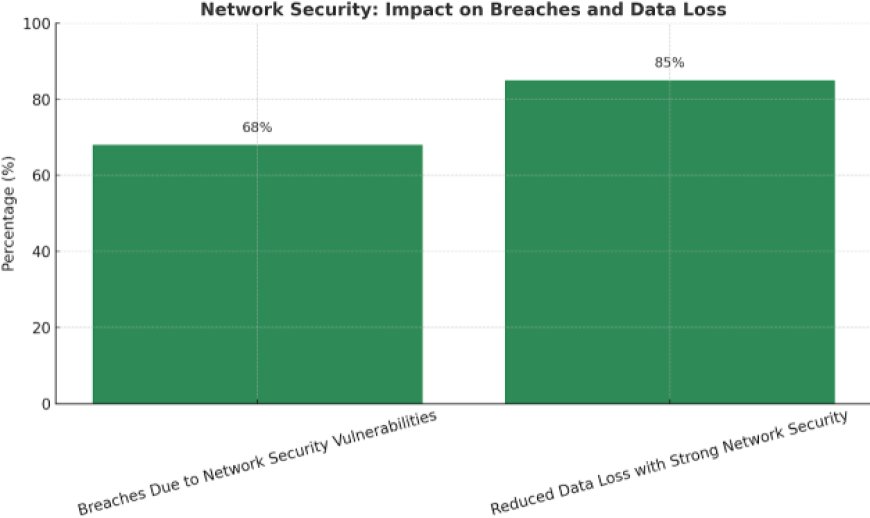
According to recent studies, 68% of business data breaches originate from vulnerabilities in network security, while 85% of companies with robust network security measures report fewer incidents of data loss.
What Is Network Security?
Network security is a set of rules, systems, and protocols that protect data as it flows through digital networks. It restricts access to authorized users, prevents intrusions, and safeguards data integrity.
Network security serves three core goals:
-
Confidentiality: Only the right people can access data.
-
Integrity: Data remains unchanged unless permitted.
-
Availability: Systems are accessible when needed.
When implemented effectively, network security keeps your organization’s data secure from threats both inside and outside of the organization.
Types of Network Security
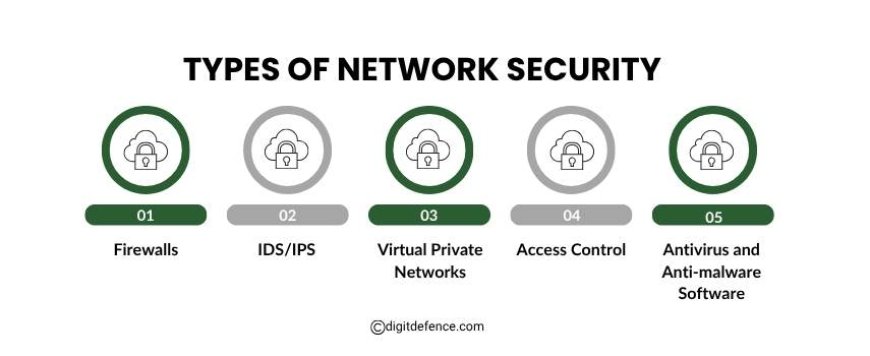
Network security employs multiple layers of protection to safeguard sensitive data from various cyber threats. Each type addresses specific vulnerabilities and plays a crucial role in maintaining a secure environment:
-
Firewalls
Purpose: Serve as a barrier between trusted internal networks and external sources.
Role: Filter incoming and outgoing traffic based on security policies to prevent unauthorized access and block malicious activities. Firewalls may be hardware, software, or a combination of both, allowing flexible control over network traffic.
-
Intrusion Detection and Prevention Systems (IDS/IPS)
Purpose: Continuously monitor network traffic for signs of suspicious or abnormal behavior.
Role: IDS alerts administrators to potential threats, while IPS actively intervenes to block attacks before they cause damage. These systems use both signature-based and behavior-based detection methods to identify known and emerging threats.
-
Virtual Private Networks (VPNs)
Purpose: Establish encrypted tunnels for secure communication over public or untrusted networks.
Role: Ensure data confidentiality and integrity for remote employees and third-party users accessing corporate resources, minimizing the risk of interception or unauthorized access.
-
Access Control
Purpose: Regulate user permissions and restrict access to sensitive systems and data.
Role: Enforce strict role-based access policies to ensure that only authorized personnel can view or modify critical information. Authentication methods include passwords, biometrics, and multi-factor authentication to improve security.
-
Antivirus and Anti-malware Software
Purpose: Detect, isolate, and remove malicious software from endpoints and network environments.
Role: Protect devices against viruses, ransomware, spyware, trojans, and other malware through real-time scanning and regular updates, ensuring defenses remain effective against evolving threats.
Key Tools Used in Network Security Systems
The tools below form the core of most modern network security environments. They ensure your data remains protected, especially when handled across large or complex networks.
-
SIEM (Security Information and Event Management)
-
Aggregates and analyzes log data from across the system.
-
Helps detect advanced threats through correlation.
-
Endpoint Detection and Response (EDR)
-
EDR solutions are crucial for business as they monitor devices and respond quickly to threats.
-
Data Loss Prevention (DLP)
-
Prevents sensitive data from leaving the network unintentionally.
-
Multi-Factor Authentication (MFA)
-
Adds an extra layer of protection by requiring more than one form of verification.
-
Encryption Tools
-
Protects data while in transit and during storage.
These tools work together to provide multilayered security for different aspects of your network.
Common Threats That Network Security Prevents
Network security protects against a variety of evolving threats that can lead to data loss, operational downtime, or financial damage.
1. Phishing Attacks
Emails or links that appear legitimate but aim to steal login credentials or sensitive data.
2. Malware and Ransomware
Software programs designed to damage systems or hold data hostage until payment is made.
3. Man-in-the-Middle Attacks
When attackers intercept communications between two parties to steal or manipulate data.
4. Insider Threats
Employees or contractors who misuse their access to confidential information.
5. Unauthorized Access
Gaining entry to systems without permission. Often due to weak passwords or unpatched vulnerabilities.
How Network Security Protects Confidential Data?
Confidential data, including customer records, payment details, and internal documentation, is constantly under threat. Network security ensures this information stays private and intact through:
-
Access Control Policies
Only authorized individuals can access restricted areas or systems. This limits insider threats and prevents unauthorized users from reaching sensitive data.
-
Encryption
Data is scrambled during transmission and storage. This makes intercepted data unreadable to hackers or unauthorized parties.
-
Activity Monitoring
User actions and system processes are continuously tracked. Suspicious behavior triggers immediate alerts to administrators for quick response.
-
Network Segmentation
The network is divided into isolated zones. This containment limits the impact if one segment is compromised.
-
Regular Updates and Patch Management
Software and hardware are regularly updated with security patches. This stops vulnerabilities before attackers can exploit them.
-
Strong Authentication Mechanisms
Multi-factor authentication (MFA) requires users to provide multiple forms of verification. This reduces the risk of stolen credentials being misused.
-
Data Backup and Recovery
Secure backups of critical data are maintained offsite or in the cloud. This ensures quick restoration in case of data loss or ransomware attacks.
-
Employee Training and Awareness
Staff are educated on security best practices and phishing scams. This lowers the chances of human error leading to data breaches.
Each of these measures works together to reduce risks and keep business-critical information confidential and protected at all times.
Network security is essential for protecting confidential business data. With the right systems in place, access control, encryption, monitoring, and user awareness, your organization can prevent breaches, maintain trust, and ensure secure operations across all environments.
Ready to secure your network?
Email us at [email protected].