Simple Habits to Reduce Your Risk of Online Fraud
Learn simple daily habits to protect yourself from online fraud. Stay safe from phishing, scams, fake links, and digital threats with easy steps.
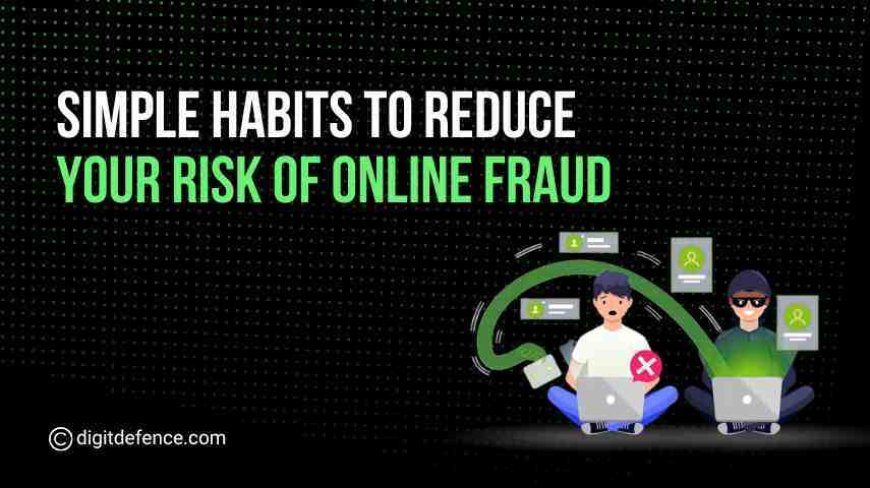
Have you ever opened your inbox and seen a message that instantly made your heart beat faster?
“Your bank account has been locked. Click here to verify.”
“Congratulations! You’ve won a cash prize.”
“Your payment failed. Update details immediately.”
For a moment, you wonder… Is this real? Should I check? What if I lose access?
This moment of confusion is exactly what cybercriminals want. And every day, millions of people fall for it not because they are careless, but because today’s fraud is smart, emotional, and extremely convincing.
The truth is:
Online fraud is not just happening “somewhere else.” It’s happening everywhere to normal people who never thought it would happen to them.
But here’s the good news.
You don’t need to be a cyber expert to stay safe.
You only need a few simple habits that build a wall around your digital life.
The following habits are broken down in simple words, giving you the
Why You Must Care (More Than Ever)
Online fraud is rising faster than any other digital crime. Here are some real numbers:
-
Over ₹1.05 lakh crore. lost to online scams in 2023 (FBI report).
-
One person becomes a victim every 10 seconds.
-
70% of online fraud starts through email, messages, or social media.
Cybercriminals don’t just steal money. They steal:
-
Your identity
-
Your private information
-
Your trust in the digital world
That’s why learning simple habits today can save you from major emotional and financial pain tomorrow.
safety steps many people still ignore, steps that can protect your family and business from serious online risks.
Common Online Fraud Tricks You Should Know
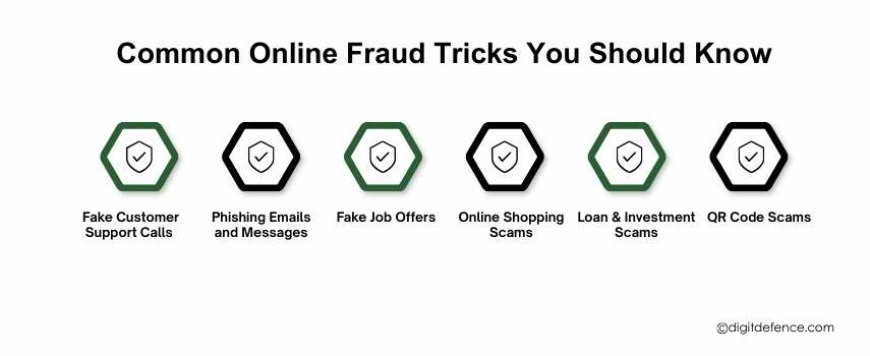
Online scams keep changing, but most of them follow a few simple patterns. When you understand these tricks, it becomes much easier to spot danger before it reaches you.
1. Fake Customer Support Calls
You receive a call saying:
-
“Your bank account is blocked.”
-
“Your KYC needs updating.”
-
“Your card will stop working soon.”
They sound professional, but they are fraudsters trying to make you panic.
Real customer support teams never ask for OTPs, PINs, or passwords.
2. Phishing Emails and Messages
These are messages that look like they came from:
-
Banks
-
Delivery companies
-
Government portals
-
Popular brands
-
Job portals
They include links that lead to fake websites designed to steal your login details.
3. Fake Job Offers
These scams promise:
-
Easy work
-
High salaries
-
Flexible hours
-
No experience needed
Then they ask you to pay a “registration fee” or “training charge.”
Once you pay, they disappear.
4. Online Shopping Scams
Fraudsters create fake websites or Instagram pages offering:
-
Huge discounts
-
Branded products at low prices
-
Fast delivery
You pay, but the product never arrives.
5. Loan & Investment Scams
You may see ads saying:
-
“Get instant loans in 5 minutes!”
-
“Double your money in 10 days!”
They look legitimate, but they are created to steal your documents or money.
6. QR Code Scams
Scammers send a QR code and ask you to “receive money.”
But scanning that code actually lets money go out of your account.
Easy Daily Habits to Reduce Your Risk of Online Scams
1. Stop Before You Click - The “5-Second Pause” Habit
Most online fraud begins with something small: a link.
A link in an email.
A link in an SMS.
A link in WhatsApp.
A link inside a fake advertisement.
Scammers want you to act fast emotionally, not logically.
So the smartest habit you can build is this:
Take 5 seconds before clicking anything.
Ask yourself:
-
Do I know this sender?
-
Why is this message urgent?
-
Is this link suspicious or misspelled?
-
Would my bank really email me like this?
This one pause can save you from:
-
Account takeovers
-
Fake websites
-
Fraudulent payment links
Simple. Free. Powerful.
2. Use Strong Passwords - Not Your Name or “12345”
Let’s be honest.
Most people use the same password everywhere - because it’s easy.
But this habit is like locking your front door while leaving your windows open.
A strong password doesn’t need to be complicated. It just needs to be:
-
At least 10–12 characters
-
A mix of letters, numbers, and symbols
-
Different for each account
Tip: Create phrases instead of random words.
Example:
sunset!drivesafely2024
coffee_at_6AM_daily
Easy to remember, hard to guess.
If remembering passwords is tough, use a password manager. It stores everything safely for you.
3. Turn On Two-Factor Authentication (2FA)
Think of 2FA as a second lock on your door.
Even if a hacker gets your password, they cannot enter without the second code sent to your phone or email.
Use 2FA on:
-
Email
-
Social media
-
Bank accounts
-
Online shopping
-
Cloud storage
It takes less than 30 seconds to set up - but protects you for years.
4. Beware of “Too Good To Be True” Offers
Online fraud often plays with emotions:
-
Fear
-
Greed
-
Curiosity
-
Urgency
Scammers know how to push these buttons fast.
If something looks too good, too flashy, or too urgent…
Stop. Think. Verify.
Examples of common fraud traps:
-
Amazing discounts on luxury products
-
“You won a cash reward!”
-
Fake job offers with high salaries
-
Fake investment schemes
-
Fake customer support numbers
When in doubt, go to the official website, not the link someone sent you.
5. Don’t Share Personal Info With Strangers - Online or Offline
Your personal information is gold for fraudsters.
Small details they collect from you online can help them:
-
Guess your passwords
-
Answer security questions
-
Impersonate you
-
Apply for loans in your name
Be careful with sharing:
-
Birthdate
-
Phone number
-
OTPs
-
Bank details
-
Address
-
ID numbers
If someone claims to be from your bank and asks for an OTP, remember:
Banks never ask for OTPs. Ever.
6. Update Your Devices Regularly
It sounds simple, but many people ignore it.
Updates are not just about new features.
They fix security loopholes that hackers use.
Keep updated:
-
Phone
-
Laptop
-
Browser
-
Apps
-
Antivirus
This habit closes the “back doors” that criminals look for.
7. Do Not Save Your Card Details Everywhere
It’s convenient to save card details on websites and apps, but it increases your risk if:
-
A website gets hacked
-
Your browser is infected
-
Your device has been stolen
Instead:
-
Use secure payment gateways
-
Enable OTP for every transaction
-
Avoid saving card details on unknown websites
This small change drastically reduces your exposure.
8. Double-Check Website URLs Before Making Payments
Fake websites look exactly like real ones, same colors, same logo, same layout.
But the URL exposes the truth.
Always check:
-
Does it start with https?
-
Is the domain spelled correctly?
-
Does the website feel suspicious?
Example of fake domains:
-
amazon.com
-
flipkart.net
-
gooogle.support
A 2-second URL check can save your entire bank account.
9. Keep Social Media Private and Clean
Cybercriminals scan social media like detectives.
They look for:
-
Your pet’s name
-
Your school
-
Your family
-
Your location
-
Your daily routine
These small details help them create precise attacks.
Make your profile private.
Share less.
Remove old information you don’t need online.
Your digital footprint should be small, safe, and controlled by you.
10. Learn to Identify Emotional Scams
Scammers don’t attack your money first.
They attack your emotions.
Here are the biggest emotional triggers they use:
-
Fear (“Your account will be blocked!”)
-
Speed (“Do this now!”)
-
Greed (“Win ₹10,000 instantly!”)
-
Trust (“I’m calling from your bank.”)
-
Confusion (“Your loan request was approved.”)
-
Sympathy (“Please help me urgently.”)
When you feel a sudden emotional reaction, stop.
That feeling might be the red flag you needed.
11. Back Up Your Data Frequently
If a cyber attack happens, ransomware, hacking, or phone loss, your backup becomes your lifesaver.
Use:
-
Cloud storage
-
External hard drives
-
Secure backup apps
It’s simple insurance for your digital life.
12. Trust Your Instinct - It’s Smarter Than You Think
If something feels “off,” it probably is.
Most victims later say:
“I had a feeling something wasn’t right… But I ignored it.”
Don’t ignore it.
Your instinct is your strongest early-warning system.
Why These Simple Habits Work
Because online fraud doesn’t rely on technology alone - it relies on human behavior.
Fraud works when:
-
You are stressed
-
You are busy
-
You are distracted
-
You are emotional
-
You act too fast
These habits help you stay:
-
Calm
-
Alert
-
Aware
-
Protected
They turn you from an easy target into a difficult one.
And scammers don’t like a difficult target
Your Safety Starts Today - Not Tomorrow
Every day you delay, your risk increases.
Cybercriminals are becoming smarter, faster, and more aggressive.
But you have something powerful too:
Awareness + simple habits that work.
If you follow even 3–4 of these habits, you will be safer than 90% of people online.
Don’t wait for an attack to happen before you take action.
Ready to Strengthen Your Digital Safety Even More?
If you want professional help to secure your business, protect your data, and reduce your cyber risk, our team is here for you.
At DigitDefence, we provide trusted cyber security solutions that protect your systems, detect threats early, and keep your business safe from online fraud.
Let’s protect your future - one smart habit at a time.
Contact DigitDefence today and secure your business from cyber risks.