Will GDPR in Cyber Security Reduce Fraud Risks?
Find out how GDPR in Cyber Security helps prevent fraud by enforcing strict data protection, access control, and breach response rules.

Have you ever worried about your customer data falling into the wrong hands?
Do you fear that one data breach could destroy your brand’s trust and cost you millions?
These are real concerns for every business today. Cybercriminals are not only after money but also personal data, which is even more valuable. When sensitive data is exposed, businesses face lawsuits, financial loss, and reputational damage that can take years to repair.
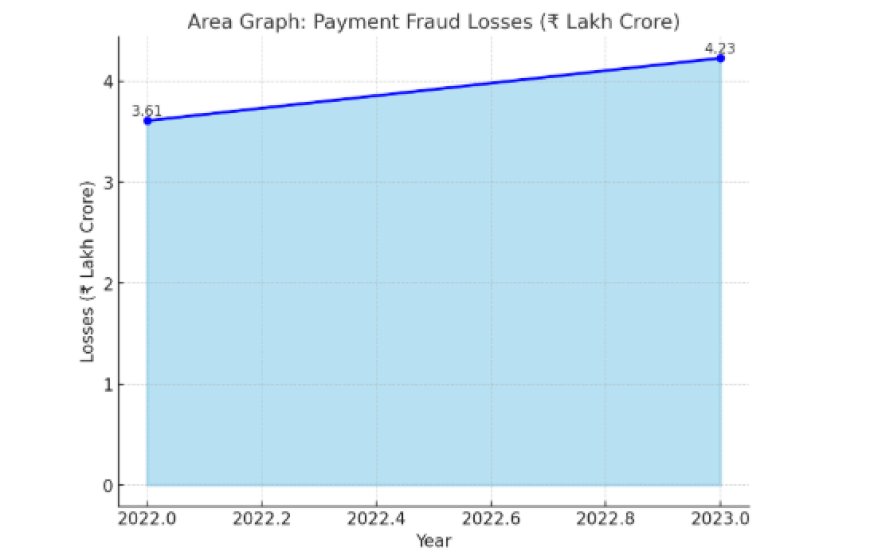
A PwC report reveals that 47% of companies worldwide experienced fraud in the last two years. Payment fraud alone caused losses worth ₹3.61 lakh crore in 2022, and experts predict it could rise to ₹4.23 lakh crore in 2023. On top of that, IBM Security reports that the average cost of a single data breach is now about ₹39.2 crore, putting pressure on businesses to strengthen their safeguards.
Ticketmaster, a global event ticketing platform, handles millions of online transactions every year.
In 2018, malware infected a third-party chatbot integrated into Ticketmaster’s website, exposing 40,000 UK customer payment records. The company failed to detect and act on warning signs for nine months.
The ICO fined Ticketmaster ₹13 crore under GDPR. The company has since improved monitoring of third-party systems, adopted stronger incident response plans, and tightened access control. This shows how GDPR enforces accountability even for external vendor risks.
Understanding GDPR in Cyber Security
GDPR in Cyber Security is all about following data protection rules while keeping information safe from threats. The General Data Protection Regulation principles (GDPR principles) ask businesses to protect personal data using tools like encryption, secure access, and quick breach detection. In simple terms, it means stopping unauthorized people from getting in, fixing weak spots, and acting fast if a fraud attempt happens.
But GDPR is not only about avoiding fines. It also helps build customer trust. When people know their data is safe, they feel more confident sharing information and doing business with you. This is why GDPR cybersecurity has become a foundation for modern fraud prevention.
Why GDPR in Cyber Security Matters for Fraud Prevention
-
Data Encryption Prevents Unauthorized Access
GDPR encourages the use of encryption as a safeguard. Even if hackers breach a system, encrypted data is unreadable without the correct decryption key. This makes it harder for fraudsters to misuse stolen data.
-
Strict Access Controls Reduce Insider Risks
One overlooked area of fraud risk is insider misuse. GDPR requires companies to implement role-based access, meaning only authorized staff can view sensitive data. This limits opportunities for identity theft or fraud within organizations.
-
Breach Notification Improves Transparency
GDPR mandates that companies must report breaches within 72 hours. This quick response not only helps authorities act against fraud but also ensures businesses address risks immediately, reducing long-term fraud damage.
-
Accountability and Documentation
GDPR demands that businesses document how personal data is collected, processed, and stored. This transparency makes it easier to identify fraud risks, track malicious attacks, and prove compliance if investigated. -
Higher Penalties Discourage Negligence
One of the strongest deterrents against fraud is the risk of heavy fines. GDPR penalties can reach up to ₹180 crore or 4% of global annual turnover. Knowing this, businesses take fraud prevention and gdpr cyber security far more seriously.
How GDPR in Cyber Security Reduces Fraud Risks

-
Fraud Detection Systems
GDPR pushes companies to adopt advanced fraud detection solutions that monitor transactions for suspicious patterns while ensuring personal data is handled legally.
-
Identity Verification
With GDPR, identity checks and authentication measures like two-factor authentication (2FA) are widely used. These stop fraudsters from impersonating legitimate customers.
-
Data Minimization
Businesses can only collect data they genuinely need. This reduces the amount of sensitive information at risk, minimizing fraud opportunities if breaches occur.
-
Audit Trails and Monitoring
GDPR in Cyber Security requires proper logging of system access. These audit trails help identify fraudulent activity and ensure accountability within the business.
-
Consumer Rights Empowerment
Customers can request access to their data, demand corrections, or even deletion. This transparency gives fraud victims more control and reduces prolonged risks from mishandled data.
The Connection Between GDPR and Customer Data Safety
|
GDPR Requirement |
Impact on Customers |
Impact on Businesses |
|
Data Protection (encryption, secure storage) |
Keeps personal details safe from misuse |
Reduces risk of data breaches |
|
Access Control (only authorized staff) |
Builds trust in sharing information |
Prevents insider misuse |
|
Breach Reporting (quick disclosure of leaks) |
Customers are informed about risks |
Minimizes reputational damage |
|
Transparency (clear data usage policies) |
Customers feel valued and respected |
Strengthens brand image |
|
Long-Term Trust (commitment to security) |
Customers stay loyal to secure brands |
Supports retention and business growth |
How Startups Can Adapt to GDPR in Cyber Security
Startups often believe GDPR in Cyber Security is something only large enterprises need to worry about. But in reality, even small businesses collect personal data, whether through customer sign-ups, online payments, or marketing campaigns. That makes GDPR compliance just as important.
Here’s how startups can adapt:
-
Data Mapping and Audits – Identify what customer data you collect, where it’s stored, and who has access. This helps spot gaps in security.
-
Secure Data Storage – Use encryption to prevent security threats and cloud providers that are GDPR-compliant to protect sensitive information.
-
Access Control Policies – Limit data access only to team members who really need it. This reduces insider threats.
-
Consent Management – Make sure customers clearly agree to how their data will be used. Avoid pre-ticked boxes or hidden clauses.
-
Incident Response Plan – Even small startups must be ready to detect, report, and respond to data breaches within 72 hours, as required by GDPR.
-
Continuous Training – Educate employees on handling data responsibly and understanding GDPR requirements.
GDPR in Cyber Security plays a crucial role in lowering fraud risks by enforcing stricter data protection, ensuring transparency, and holding businesses accountable. While no system can guarantee 100% fraud-proof operations, GDPR provides the framework businesses need to significantly reduce risks and protect customer trust.
Fraud is expensive, but trust is priceless. By adopting GDPR in Cyber Security measures, businesses not only comply with laws but also build a safer, stronger foundation for growth.