The Role of Cyber Threat Intelligence in Business Security
Explore how cyber threat intelligence supports business security by identifying risks, enhancing response, and guiding strategic defenses.
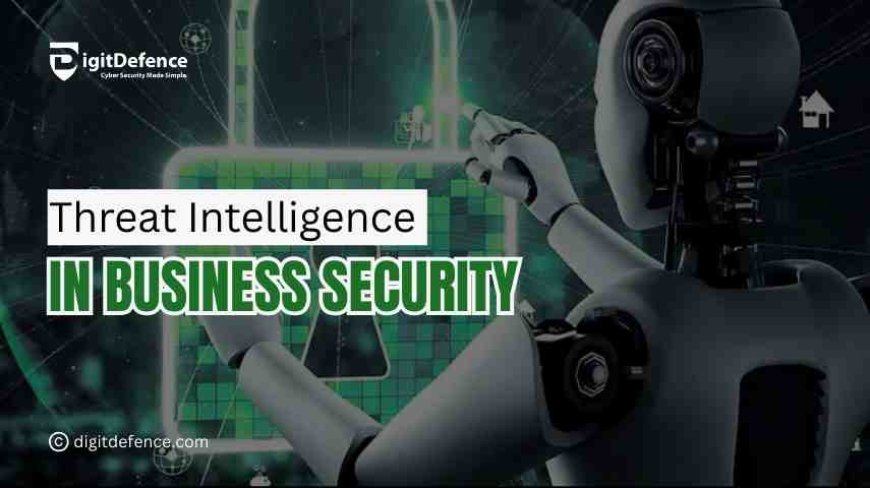
As someone working in the heart of the cybersecurity industry, I’ve come to realize that reacting to threats isn’t enough anymore. Businesses—whether they’re startups or global enterprises—need to be proactive. And that’s where Cyber Threat Intelligence steps in. It’s not just a buzzword; it’s a critical layer of business security that helps organizations stay ahead of potential cyberattacks. The more I interact with clients and teams, the more I see how investing in Cyber Threat Intelligence transforms not just a company’s security posture, but its overall risk management culture. In this blog, I’ll walk you through what it means, how it works, and why it matters for any business that takes cybersecurity seriously.
What Is Cyber Threat Intelligence?
Threat Intelligence, or Cyber Threat Intelligence (CTI), refers to the collection, analysis, and sharing of data related to current and emerging cyber threats. The goal is to understand attackers' tactics, techniques, and procedures (TTPs) so businesses can better defend against them.
It’s different from traditional IT security because it’s not just about blocking threats—it’s about anticipating them. Cyber Threat Intelligence helps answer questions like:
-
Who might attack us?
-
What are they after?
-
How would they do it?
-
What vulnerabilities are we overlooking?
By feeding this intelligence into security tools like firewalls, intrusion detection systems (IDS), and SIEM platforms, businesses can move from being reactive to truly strategic.
Target’s 2013 Data Breach
One of the most infamous examples of failing to act on Threat Intelligence comes from the retail giant Target.
In 2013, Target suffered a massive data breach that exposed the credit card information of over 40 million customers. What’s particularly notable here is that Target’s security system did detect suspicious activity. They were using FireEye, a well-known threat detection tool that flagged the malicious activity weeks before the breach made headlines.
Unfortunately, the alerts were either ignored or not escalated by Target’s security operations center (SOC). This breakdown in threat response and intelligence handling allowed attackers to move laterally through the network, ultimately reaching sensitive payment systems.
The breach cost Target an estimated $162 million, not to mention damage to their brand trust.
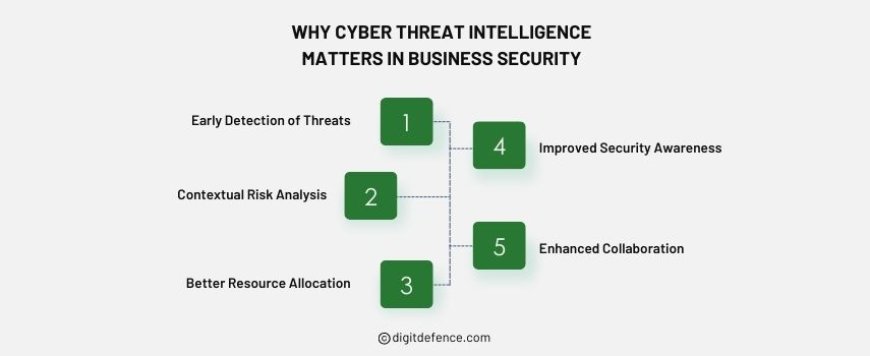
Why Cyber Threat Intelligence Matters in Business Security
Here’s how Threat Intelligence directly contributes to improving business security:
-
Early Detection of Threats: Threat Intelligence platforms aggregate data from multiple sources—dark web forums, malware repositories, attack indicators, etc.—and alert businesses to threats before they can cause harm. This early detection enables incident response teams to act swiftly.
-
Contextual Risk Analysis: It's not just about knowing there’s a risk—it’s about understanding how that risk affects your specific environment. For example, a zero-day vulnerability in a software you don’t use is less relevant than a phishing campaign targeting your industry.
-
Better Resource Allocation: Security budgets aren’t unlimited. With proper Threat Intelligence, businesses can focus resources on the most pressing threats, rather than wasting time on generic or irrelevant alerts.
-
Improved Security Awareness: Threat Intelligence reports help educate not just IT teams, but executives and employees. Understanding the nature of attacks fosters a culture of awareness, where people recognize the signs of potential cyber threats.
-
Enhanced Collaboration: Many cybersecurity frameworks now encourage the sharing of Threat Intelligence among organizations, industries, and government bodies. Platforms like MITRE ATT&CK and ISACs (Information Sharing and Analysis Centers) promote a more collaborative approach to digital defense.
Types of Cyber Threat Intelligence
Not all Threat Intelligence is created equal. Here are the three main types:
-
Strategic Threat Intelligence: High-level insights for decision-makers. This includes information about geopolitical risks, emerging threats, and attack trends.
-
Tactical Threat Intelligence: Details about how attacks are executed (TTPs). This is useful for SOC analysts and incident responders.
-
Operational Threat Intelligence: Real-time data about active threats. This includes IP addresses, file hashes, and domain names involved in malicious activity.
How Businesses Can Implement Cyber Threat Intelligence
-
Invest in Threat Intelligence Tools: Platforms like Recorded Future, Anomali, ThreatConnect, and FireEye (as seen in the Target case) offer scalable threat intelligence services that integrate with existing SIEM systems.
-
Integrate with Existing Security Infrastructure: Make sure Threat Intelligence feeds are plugged into your firewalls, IDS/IPS, and endpoint detection and response (EDR) tools. Automation helps reduce the time between detection and action.
-
Train Your Teams: Intelligence is only useful if people know how to interpret it. Provide training to security analysts, IT admins, and even non-technical stakeholders.
-
Partner with Intelligence Sharing Networks: Organizations like CERT, ISACs, and even private alliances provide up-to-date intelligence specific to your industry or region.
For businesses today, Cyber Threat Intelligence isn’t just an add-on—it’s a fundamental pillar of cybersecurity strategy. Whether you’re running a small business or managing enterprise-level infrastructure, understanding and applying Threat Intelligence can be the difference between staying secure and suffering a costly breach.
I’ve seen firsthand how companies that integrate threat data, act on alerts, and train their teams build stronger, more resilient security operations. And while you can’t stop every threat, knowing what’s out there gives you the edge to respond faster, smarter, and with purpose.
If you’re considering implementing a Threat Intelligence solution or just want to audit your current approach, start with a simple question: Are we prepared for the threats we don’t even know about yet?