How do Types of Virus in Cyber Security Impact SaaS Firms?
See how viruses target SaaS businesses, disrupt services, and risk sensitive client data, and how to prevent them.
SaaS providers often struggle to explain the risks and impacts of cyber threats, especially viruses, to their teams and customers. Without clear communication, businesses may underestimate the dangers, leaving systems vulnerable and clients at risk. A strong cybersecurity strategy not only protects data and services but also builds trust, ensures reliability, and strengthens client relationships.
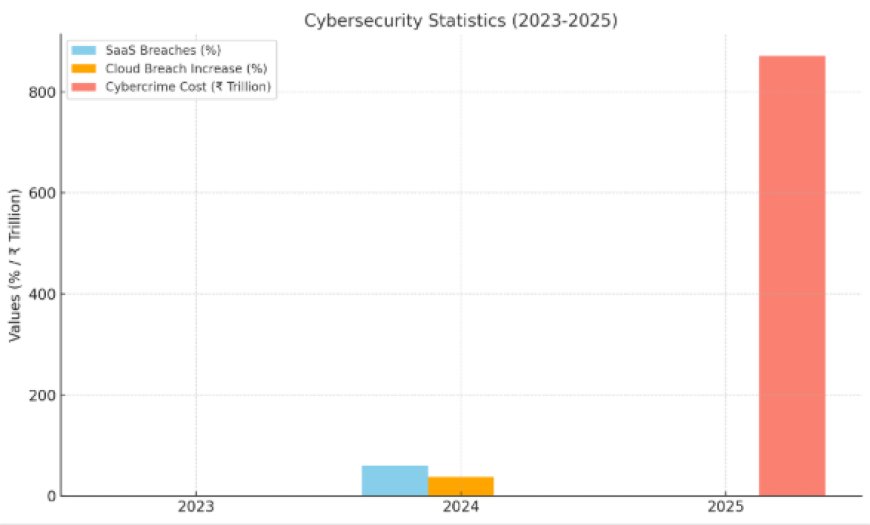
In 2024, over 60% of SaaS providers reported at least one security breach, with malware and viruses being the primary causes. The global cost of cybercrime is projected to reach ₹871.5 trillion annually by 2025, and data breaches in cloud-based services have increased by 38% in the last two years.
Rackspace is a leading cloud hosting and managed services provider, offering solutions like Hosted Exchange, cloud storage, and enterprise-level IT services to thousands of clients worldwide.
The 2022 ransomware attack on Rackspace caused significant disruption to its Hosted Exchange services, affecting thousands of clients who relied on the platform for critical business communications. Access to important data was temporarily blocked, creating operational challenges and raising concerns about potential data loss.
In response to the attack, Rackspace activated its incident response team, isolating affected systems to prevent the ransomware from spreading further. The company used secure backups to restore client data and services as quickly as possible.
What Are Viruses in Cyber Security?
A virus in cyber security is a type of malicious software program (malware) designed to infect, damage, or disrupt computer systems. Similar to a biological virus, it attaches itself to extra files or programs and can replicate and spread across networks without the user’s knowledge.
Once a virus infects a system, it can slow down operations, corrupt or delete critical data, steal sensitive information, or cause software and applications to malfunction. For businesses, this can result in service disruptions, financial losses, and reputational damage.
Common Types of Viruses in Cyber Security and Their Impact
Understanding the common types of viruses in cybersecurity is crucial for SaaS firms, as these threats can disrupt operations, compromise sensitive data, and damage customer trust. Each type of virus behaves differently, and recognizing its impact helps businesses implement effective prevention and mitigation strategies.
1. Ransomware
Ransomware is a type of malware that encrypts files or systems, rendering them inaccessible until a ransom is paid.
Impact on SaaS Firms:
-
Service downtime is affecting multiple clients simultaneously.
-
Loss of customer trust and potential account cancellations.
-
Financial losses due to ransom payments, recovery efforts, and legal fees.
2. Trojan Horses
Trojans are malware disguised as legitimate software to trick users into installing them. Once active, they can steal data or open backdoors for other attacks.
Impact on SaaS Firms:
-
Unauthorized access to sensitive customer data.
-
Creation of vulnerabilities for future malware infections.
-
Potential non-compliance with privacy regulations, leading to fines.
3. Worms
Worms are self-replicating viruses that spread automatically across networks without user intervention.
Impact on SaaS Firms:
-
Rapid infection of multiple client accounts.
-
Increased network traffic leading to service slowdowns.
-
Facilitation of secondary attacks, such as ransomware or spyware.
4. Spyware and Adware
-
Spyware secretly monitors user activity and collects sensitive information.
-
Adware displays unwanted advertisements, which can negatively impact system performance.
Impact on SaaS Firms:
-
Compromise of client privacy and trust.
-
Reduced system performance, impacting user experience.
-
Risk of regulatory penalties for data breaches.
5. Fileless Malware
Fileless malware does not rely on files to infect systems, instead operating directly in system memory.
Impact on SaaS Firms:
-
Difficult to detect and remove using traditional antivirus tools.
-
Can manipulate system processes to steal data or disrupt operations.
-
Challenges in security monitoring, especially in cloud-based infrastructures.
Broader Impacts of Virus Attacks on SaaS Firms
Viruses are more than just a technical nuisance, they can have serious consequences for SaaS businesses, affecting their operations, finances, and reputation. Understanding these impacts helps companies prepare and implement proactive cybersecurity strategies.
1. Data Breaches
Viruses can create backdoors that allow hackers to access sensitive client information, including financial records, personal details, and proprietary business data. For SaaS firms, a single breach can affect hundreds or thousands of customers at once, leading to:
-
Loss of client trust and credibility.
-
Damage to the company’s brand reputation.
-
Potential legal liabilities if data protection laws are violated.
2. Service Disruptions
Viruses can disrupt the availability of SaaS applications, causing system slowdowns, crashes, or complete downtime. For customers relying on these services for daily operations, even a few hours of downtime can be costly. Key consequences include:
-
Customer dissatisfaction and potential churn.
-
Loss of productivity for clients.
-
Increased support and recovery costs for the SaaS provider.
3. Financial Losses
The financial impact of virus attacks goes beyond immediate recovery costs. SaaS firms may incur:
-
Ransom payments in the case of ransomware attacks.
-
Costs of IT support and forensic investigations to remove the malware.
-
Revenue losses from disrupted services or client cancellations.
-
Legal fees and settlements if breaches result in lawsuits.
4. Regulatory Consequences
SaaS firms must comply with strict data privacy and cybersecurity regulations, including GDPR in Europe, CCPA in California, and others, depending on their client locations. Virus-related breaches can lead to:
-
Hefty fines for non-compliance.
-
Mandatory disclosure of breaches to clients and regulators.
-
Long-term scrutiny from regulatory authorities.
Non-compliance can compound financial losses and erode customer trust, making regulatory adherence and proactive virus protection essential.
5. Long-Term Business Impact
Beyond immediate damage, virus attacks can have lasting consequences:
-
Loss of competitive advantage if proprietary information is stolen.
-
Increased cybersecurity insurance premiums.
-
Need for costly upgrades to security infrastructure.
Steps to Keep Your SaaS Platform Virus-Free
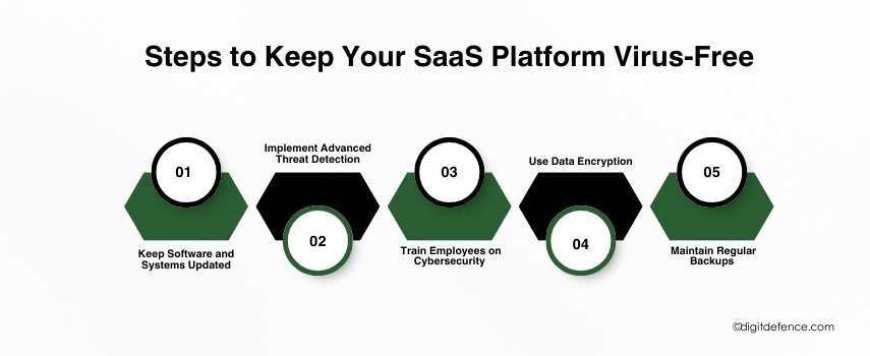
Protecting a SaaS platform from the types of virus in cyber security requires a combination of technology, processes, and employee awareness. By taking proactive steps, SaaS providers can minimize risks, safeguard customer data, and maintain business continuity.
1. Keep Software and Systems Updated
Regularly update all software, applications, and operating systems to patch known vulnerabilities. Many viruses exploit outdated systems, so keeping everything current is a critical first line of defense.
2. Implement Advanced Threat Detection
Use AI-powered antivirus and intrusion detection systems that can identify unusual behavior or potential threats in real-time. This helps in early detection and rapid response before viruses spread.
3. Train Employees on Cybersecurity
Human error is a major factor in virus infections. Conduct regular training sessions to educate staff about phishing emails, suspicious links, and safe handling of files. Well-informed employees are your first line of defense.
4. Use Data Encryption
Encrypt sensitive data both at rest and in transit. This ensures that even if a virus manages to access the data, it remains unreadable and secure.
5. Maintain Regular Backups
Keep frequent and secure backups of all critical data. In case of a virus attack like ransomware, having backups allows you to restore systems quickly without paying a ransom.
Viruses in cyber security are more than just technical problems, they are real threats that can disrupt services, compromise sensitive data, and harm the reputation of SaaS firms.
By understanding the types of virus in cyber security and implementing proactive measures such as regular updates, employee training, advanced threat detection, and secure backups, SaaS providers can stay one step ahead of cybercriminals.
For professional support and tailored solutions to keep your SaaS platform virus-free, reach out to us at: [email protected]