Why Every Business Must Do a VAPT Audit Regularly?
Think your systems are safe? Learn why regular VAPT audits are essential to uncover hidden threats and protect your business from costly breaches.
Imagine if your systems were compromised right now, customer data exposed, operations disrupted, or vital files stolen.
While many believe only large organizations face such risks, small and mid-sized businesses are often more vulnerable. This is because their security gaps frequently remain unaddressed until serious consequences arise.
Performing a VAPT Audit is an essential step to discover and fix these weaknesses, ensuring your business is not left exposed to cyber threats.
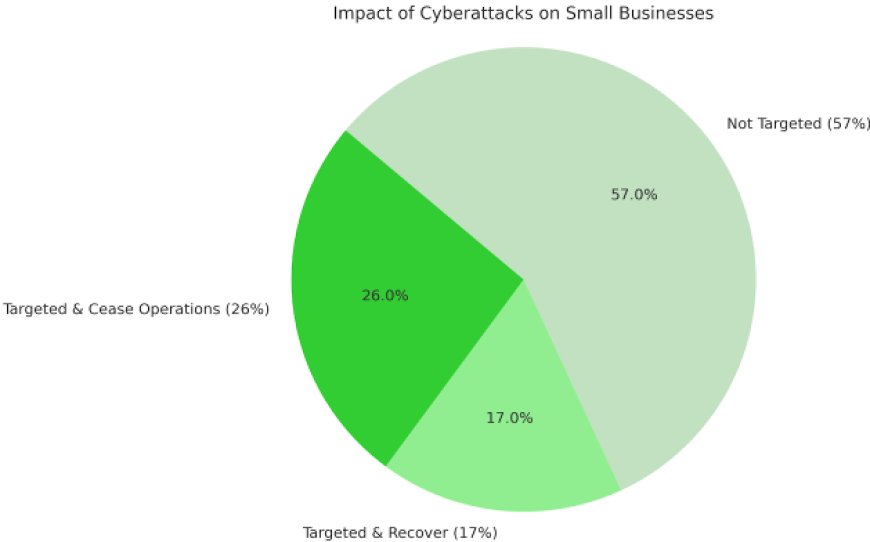
According to recent studies, 43% of cyberattacks target small businesses, and nearly 60% of those affected are forced to cease operations within six months due to the financial and reputational damage.
Unacademy is one of India’s most popular online learning platforms, with millions of users across the country. It offers live classes, test preparation, and educational content to students and professionals. With so many users and a growing digital presence, protecting user data became critical for the platform’s continued success.
At one point, Unacademy’s user data, such as names, email addresses, and account information, was found to be exposed and listed for sale on the dark web. Though no financial details were leaked, millions of user accounts were affected. This raised serious concerns among users and companies connected to the platform, as it showed that even basic account data, if unprotected, could become a security risk.
After the incident, Unacademy took action by performing a full VAPT Audit. The audit helped their team find the exact weak points that allowed the data to be exposed. They then secured their systems, improved password protection methods, and added better control over who can access what. Since then, this regular Audit has become part of their ongoing process to prevent future risks and protect user trust.
What Is a VAPT Audit?
A VAPT Audit, which stands for Vulnerability Assessment and Penetration Testing, is a detailed security review of your IT systems.
It involves a thorough examination of all potential access points in your digital environment, followed by authorized attempts to exploit vulnerabilities to assess the effectiveness of your security measures.
This process includes two main components:
-
Vulnerability Assessment: Identifies weaknesses and security gaps within your systems.
-
Penetration Testing: Simulates cyberattacks to evaluate how well your defenses hold up under real-world conditions.
VAPT Audit Process
1. Planning and Preparation
The audit begins with gathering information about your systems, networks, and applications. This includes understanding the scope, setting goals, and identifying key assets to protect.
2. Vulnerability Assessment
Security tools and manual methods are used to scan your systems for known vulnerabilities, misconfigurations, and weaknesses. This stage provides a detailed list of potential security gaps.
3. Penetration Testing
In this stage, testers attempt to exploit the identified vulnerabilities in a controlled environment. This simulates real-world attacks to see how far an attacker could penetrate your defenses.
4. Analysis and Reporting
All findings are compiled into a comprehensive report. It includes details on vulnerabilities discovered, their risk levels, and recommendations for remediation.
5. Remediation and Retesting
Based on the report, your team or security provider fixes the issues. After corrections, retesting may be done to confirm that vulnerabilities have been properly addressed.
Common Vulnerabilities Found in VAPT Audits
-
Weak Passwords: Simple or reused passwords make it easier for attackers to gain access.
-
Unpatched Software: Outdated software and systems often have known vulnerabilities that hackers can exploit.
-
Misconfigured Systems: Incorrect settings on servers, networks, or applications can create security gaps.
-
Insecure Third-Party Apps: Many businesses use external software that might not meet security standards.
-
Lack of Encryption: Data that isn’t properly encrypted is vulnerable during transmission or storage.
-
Poor Access Controls: Inadequate user permissions can allow unauthorized access to sensitive areas.
By identifying these and other vulnerabilities, it helps you can strengthen your defenses before any real damage occurs.
Why Do Hackers Target Small and Medium Businesses?
Because they assume you won’t check your security.
Here’s the reality:
-
Most small businesses don’t have a full-time IT team.
-
Many use third-party apps that aren’t always secure.
-
Passwords are often reused or weak.
-
Backups? Often forgotten.
This makes VAPT Audits a vital part of maintaining strong cybersecurity. Regular assessments help discover and fix vulnerabilities early.
Why Every Business Must Do a VAPT Audit Regularly

-
Find Hidden Security Issues: Reveal weak spots in your systems before attackers do.
-
Protect Customer Data: Keeping sensitive information safe builds trust and avoids legal trouble.
-
Prevent Financial Loss: Early detection of risks helps avoid costly downtime and fines.
-
Stay Compliant with Laws: Many industries require regular security checks to meet regulations.
-
Keep Systems Running Smoothly: Help prevent attacks that can disrupt your business operations.
-
Save Money Long-Term: Fixing problems early reduces the chance of expensive security breaches.
Key Industries That Need VAPT Audits
Certain industries face greater risks from cyber threats due to the nature of their data and operations. For these key industries, regular VAPT audits are important to protect sensitive information and ensure business continuity.
-
Financial Services: Banks, insurance companies, and investment firms handle vast amounts of personal and financial data, making them prime targets for cyberattacks.
-
Healthcare: Hospitals and clinics store confidential patient records that require strong protection against breaches.
-
Retail and E-commerce: These businesses process customer payment details and personal information, which can be exploited if security is weak.
-
Legal Services: Law firms manage sensitive client information and legal documents that must be safeguarded.
-
Manufacturing and Logistics: Companies in these sectors rely on complex systems and supply chains that, if compromised, can disrupt operations.
-
Education: Schools and universities hold data on students and staff, along with research information that must remain secure.
Benefits of a VAPT Audit
-
Spot Weaknesses:
Identify hidden security gaps and vulnerabilities in your systems before they can be exploited. This proactive approach helps protect your business from potential attacks.
-
Stop Data Breaches:
By fixing security flaws early, you significantly reduce the chance of sensitive customer or company data being stolen or leaked.
-
Protect Reputation:
Avoid the damage caused by cyberattacks. Maintaining strong security helps keep your customers’ trust and preserves your business’s reputation.
-
Ensure Compliance:
Many industries require regular security audits to meet legal and regulatory standards. This helps you stay compliant and avoid penalties.
-
Save Costs:
Addressing vulnerabilities early prevents costly data breaches, legal fines, and downtime that could disrupt your business operations.
Every business faces risks when it comes to data and system security. Even small issues can lead to bigger problems like data loss, downtime, or damage to your reputation. A regular VAPT Audit helps you find and fix those issues before they turn into real threats. It gives you a clear view of where your systems need attention and helps you stay prepared. Simple steps taken on time can prevent major disruptions. A VAPT Audit is one of those important steps that helps protect your business.
Looking to safeguard your business from cyber risks and identify hidden security gaps? Visit www.digitdefence.com or email [email protected] to learn more about our services.