How Anti Phishing Protects You from Dangerous Scams
Learn how anti-phishing measures help protect against scams, phishing emails, malicious links, and identity theft. Stay safe online.
As a cybersecurity specialist, I've seen how terrible phishing scams can be for businesses and individuals. Over the years, I've had the privilege of helping organizations safeguard their sensitive data and digital assets from cybercriminals using a variety of methods, one of which is anti phishing. Phishing is an increasingly common type of cyberattack, with cybercriminals using cleverly disguised emails, websites, and messages to trick users into revealing personal information such as login credentials, credit card numbers, and other sensitive data.
When I first encountered phishing attacks in my career, I realized how easily a single deceptive email could compromise an entire network. That’s when I began emphasizing the importance of using anti-phishing tools to mitigate risks. Today, anti-phishing is a cornerstone of digital security, providing a proactive defense mechanism against one of the most common and dangerous forms of cybercrime. Here I will share how anti-phishing protects users and businesses, the technologies behind it, and how to implement the best practices to safeguard against phishing attacks.
What is Anti Phishing?
Anti-phishing refers to a set of strategies, technologies, and tools designed to prevent phishing attacks from reaching their intended targets. Phishing typically involves tricking individuals into revealing confidential information by impersonating trusted entities, such as banks, tech companies, or social media platforms. Anti-phishing technologies, however, work by identifying and blocking these malicious attempts, ensuring that users remain safe from scammers.
The primary goal of anti-phishing solutions is to detect fraudulent messages, websites, or communications before they can cause harm. By using advanced algorithms, machine learning, and threat intelligence, these tools can quickly identify suspicious activity and block it in real time. Whether it’s through email filtering, URL analysis, or website inspection, anti-phishing technologies aim to intercept phishing attempts and alert users to the potential dangers hidden online.
How Does Anti-Phishing Work to Prevent Cyber Attacks?
Anti-phishing works by analyzing and learning from data patterns to detect and prevent potential threats in real time. The core components of anti-phishing include:
-
Phishing Detection Systems: One of the most important tools in the anti-phishing arsenal is the ability to detect phishing attempts in real time. These systems analyze emails, URLs, and website content to check for known signs of phishing, such as misleading URLs, unusual sender addresses, and suspicious attachments. For instance, email phishing protection tools can identify email headers that are indicative of phishing attempts and filter them before they reach the inbox.
-
Threat Detection and Anomaly Recognition: Phishing attack defense relies heavily on detecting unusual behavior. Phishing detection systems are constantly learning new patterns of suspicious activity by analyzing past phishing attempts. For example, if an email from a known bank is suddenly sent from an unfamiliar domain, an anti-phishing system can flag it as suspicious. This proactive detection ensures that new and changing phishing tactics are caught quickly.
-
Predictive Analysis and Proactive Mitigation: One of the most powerful capabilities of anti-phishing tools is their ability to predict potential attacks before they occur. By analyzing historical data, anti-phishing systems can detect patterns that suggest an increased likelihood of phishing attempts. For example, if email phishing protection systems recognize an uptick in emails containing links to a specific malicious domain, they can block access to that site before users click.
-
Automated Response: With anti-phishing technologies in place, responses to threats can be automated, reducing the time it takes to mitigate a cyberattack. These tools can block malicious IP addresses, isolate compromised devices, or even shut down infected systems to prevent further damage. This cyberattack prevention approach not only speeds up the response time but also helps eliminate human error, which can occur in high-pressure situations.
Why is Anti-Phishing Important for Online Security?
Phishing attacks target these activities by attempting to steal valuable personal information. Without proper protection, individuals and organizations risk falling victim to scams that can result in identity theft, financial loss, or even corporate espionage. Here’s why anti-phishing is essential:
-
Prevents Financial Loss: Phishing attacks often aim to steal sensitive financial information, such as credit card details or bank login credentials. By using anti-phishing solutions, individuals and businesses can prevent attackers from gaining unauthorized access to financial accounts and making fraudulent transactions.
-
Protects Sensitive Data: Personal and corporate data is a highly valuable target for cybercriminals. Phishing attacks are often designed to gain access to confidential information such as passwords, Social Security numbers, and business data. Anti-phishing tools help safeguard this information by detecting suspicious activity before it can be exploited.
-
Reduces the Risk of Reputation Damage: Phishing attacks can lead to reputational damage, especially for businesses. If customers or employees fall victim to a phishing scam using your brand’s name, it can severely damage trust. By preventing phishing attempts, businesses can protect their reputation and maintain consumer confidence.
-
Minimizes Downtime and Operational Disruptions: If a phishing attack is successful, it can lead to significant downtime as IT teams scramble to resolve the breach and prevent further damage. Anti-phishing technologies act as a proactive defense, stopping phishing emails or malicious links before they can cause disruptions to operations.
How to Avoid Phishing Scams
-
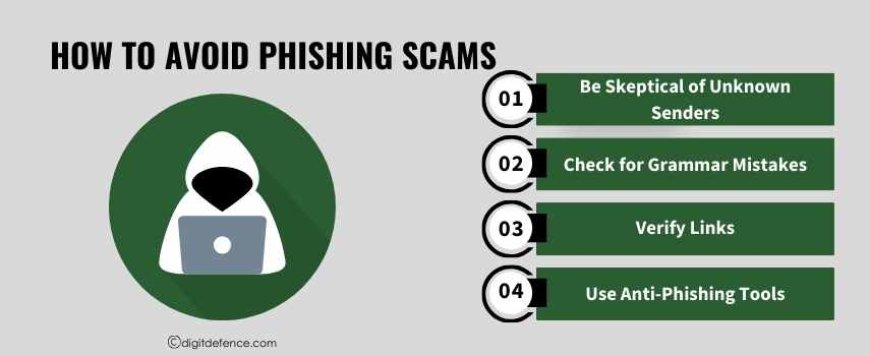
Be Skeptical of Unknown Senders: Always be cautious when receiving unsolicited emails from unknown senders. A legitimate company will never ask for sensitive information via email.
-
Check for Grammar Mistakes: Phishing emails often contain spelling and grammar mistakes. These errors are a red flag that the email might not be legitimate.
-
Verify Links: Before clicking on any link in an email, hover over it to see the actual URL. If it doesn’t match the legitimate website, don’t click.
-
Use Anti-Phishing Tools: Use reliable anti-phishing software and tools to protect yourself from phishing attempts.
Case Studies
Case Study1:
PayPal, one of the world’s leading payment platforms, faces constant attempts from cybercriminals trying to trick users into revealing their login credentials.
Challenges
PayPal needed to enhance its ability to detect and block phishing attempts, ensuring that its customers were not targeted by fraudulent emails and websites.
Solutions Implemented
PayPal implemented anti-phishing solutions that included email phishing protection, domain detection, and machine learning algorithms to recognize phishing attempts. They also deployed a multi-layered approach that included customer education about phishing risks and providing proactive alerts for suspicious activity.
Case Study2:
Microsoft, a tech giant, is frequently targeted by cybercriminals attempting to impersonate their brand in phishing campaigns.
Challenges
Microsoft needed an effective way to stop phishing emails targeting their customers, as well as prevent attackers from spoofing their domains.
Solutions Implemented
Microsoft leveraged AI-powered anti-phishing tools, including machine learning models that analyzed email traffic in real time. By integrating AI into their email services, they were able to block phishing attempts, even from newly created domains that had never been flagged before.
Phishing remains one of the most prevalent and damaging threats in the cybersecurity environment. It targets individuals and businesses alike, attempting to steal sensitive data, compromise financial systems, and damage reputations. Anti-phishing technologies, including email filters, machine learning algorithms, and website inspection tools, are essential in defending against these threats. In a digital environment, you cannot afford to ignore the importance of anti-phishing. Whether you are an individual protecting your data or a business safeguarding your customers, the right tools and strategies can make all the difference in staying secure. Make sure you are equipped with the best anti-phishing solutions to prevent dangerous scams and keep your online environment safe.