How VAPT Protects Your Company from Cyber Threats?
In our increasingly digital world, no company, big or small, is immune to the ever-growing threat of hackers aiming to steal sensitive data or disrupt operations.
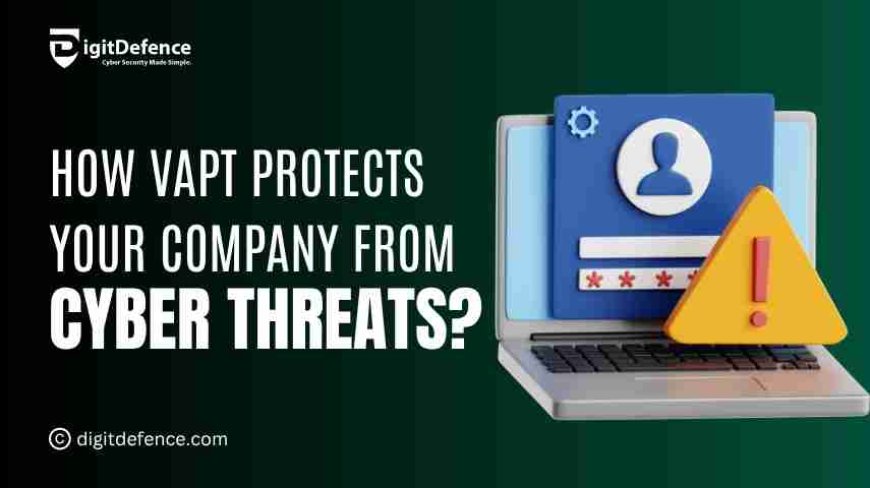
As businesses adopt new technologies to boost efficiency and innovation, the threat of cyberattacks increases accordingly. This is where Vulnerability Assessment and Penetration Testing (VAPT) come in.
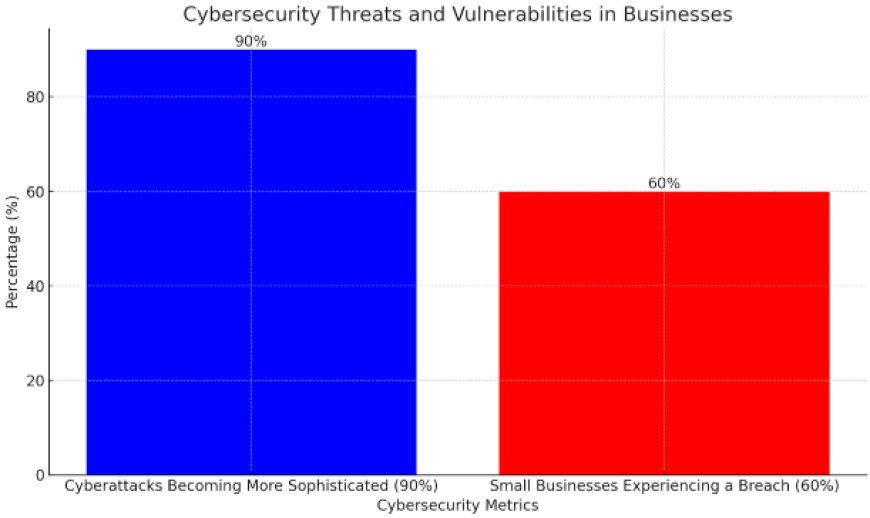
90% of organizations reported that cyberattacks have become more sophisticated in recent years, with over 60% of small businesses experiencing a breach within the first six months of operation. This is where Vulnerability Assessment and Penetration Testing (VAPT) come in, helping organizations identify and fix vulnerabilities before they are exploited.
In 2017, Equifax, a leading credit reporting agency, suffered a significant data breach, exposing sensitive information of over 147 million individuals. The incident compromised Social Security numbers, birth dates, and other personal data, resulting in substantial reputational damage and regulatory scrutiny.
The breach occurred due to an unpatched vulnerability in the Apache Struts web application framework. Despite the availability of a security patch, it was not applied promptly, allowing attackers to exploit the flaw and gain unauthorized access. This highlighted critical gaps in Equifax’s vulnerability management and patching processes.
In response, Equifax conducted extensive Vulnerability Assessment and Penetration Testing (VAPT) to identify and remediate security weaknesses. The company enhanced its patch management procedures, implemented continuous security monitoring, and engaged third-party experts for regular penetration testing. These measures significantly strengthened their cybersecurity posture and helped restore stakeholder confidence.
What is VAPT?
VAPT stands for Vulnerability Assessment and Penetration Testing, which is a security testing process used to identify and address potential weaknesses in websites, applications, networks, and IT infrastructure. It helps organizations proactively detect vulnerabilities and assess how they could be exploited by Cyber attackers.
This is the process of systematically scanning systems to identify known vulnerabilities. It provides a comprehensive list of security flaws without actively exploiting them.
It is also known as ethical hacking. Penetration testing involves simulating real-world cyberattacks to evaluate how vulnerabilities can be exploited and to what extent they could compromise the system.
Types of VAPT Testing
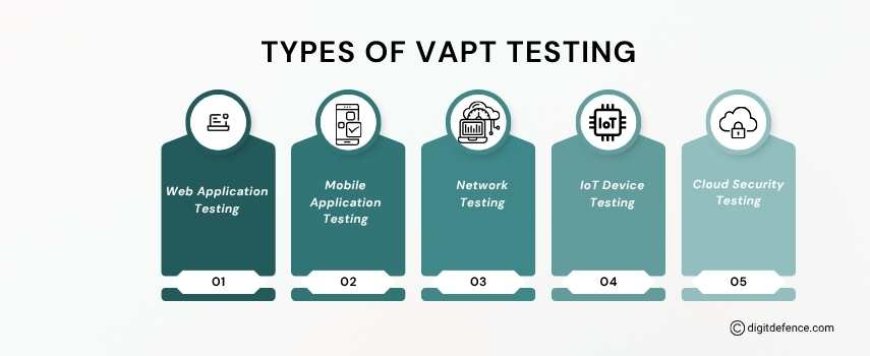
-
Web Application Testing
Test websites and web apps for security holes like SQL injection, cross-site scripting (XSS), and broken authentication to stop hackers. -
Mobile Application Testing
Check mobile apps on Android and iOS for risks such as data leaks, insecure storage, and weak encryption to protect user privacy. -
Network Testing
Scans company networks, including internal and external, for open ports, weak firewalls, and unpatched systems that cybercriminals can exploit. -
IoT Device Testing
Secures Internet of Things devices like smart home gadgets, wearables, and industrial sensors by testing for firmware flaws and weak security protocols. -
Cloud Security Testing
Examines cloud environments (AWS, Azure, Google Cloud) for misconfigurations, data breaches, and access control weaknesses to protect cloud data.
Process of VAPT Service
The VAPT process involves several critical steps to identify and mitigate security risks effectively:
1. Planning and Preparation
Before starting, clearly define the scope and objectives of the test. Obtain necessary permissions and gather initial information about the target systems.
2. Information Gathering
Collect intelligence through passive (open-source research) and active (scanning and probing) methods to understand the target environment.
3. Vulnerability Assessment
Use automated tools and manual techniques to scan for vulnerabilities such as outdated software, misconfigurations, and security gaps.
4. Penetration Testing
Attempt to exploit the identified vulnerabilities to evaluate their real-world impact and the potential for unauthorized access.
5. Post-Exploitation
Analyze the level of access gained, assess data exposure, and explore possible lateral movement within the network.
6. Reporting
Compile a comprehensive report detailing vulnerabilities found, exploitation methods, risks, and recommended remediation steps.
7. Remediation and Re-Testing
Work with the organization to fix the issues and conduct re-testing to ensure all vulnerabilities have been properly addressed.
Why Your Business Needs VAPT Service
-
Safeguard Critical Data
Protect your organization’s and customers’ sensitive information from cyberattacks and data breaches. -
Minimize Financial Losses
Avoid expensive penalties, legal costs, and damage to your brand caused by security incidents. -
Build Stronger Customer Relationships
Show your clients that their security is a priority, fostering trust and long-term loyalty. -
Comply with Industry Regulations
Stay ahead of compliance requirements by regularly testing and strengthening your security posture. -
Identify and Fix Vulnerabilities Early
Proactively uncover security gaps and remediate them before malicious actors exploit them.
In a nutshell, cybersecurity is essential for every business. VAPT helps you find and fix security weaknesses before hackers can exploit them. Protect your business, customers, and reputation with trusted VAPT services.