Do You Know These Types of Hacking Attacks?
Secure your business with cybersecurity services. Protect against types of hacking attacks, including phishing, malware, ransomware, DoS, SQL injection, and more.

The Real Risk Everyone Faces Online
Every day, thousands of hacking attacks target individuals and businesses worldwide. Hackers try to steal passwords, personal information, or business data, and sometimes they crash systems or hold files for ransom.
Many people and companies are unaware of their vulnerability. Even a small mistake, like clicking a fake link or using a weak password, can give hackers access to sensitive information. This can lead to financial loss, legal problems, or a damaged reputation.
Understanding the types of hacking attacks is the first step to protecting yourself. By knowing how hackers operate, you can spot risks early, strengthen your defenses, and avoid becoming a target.
What Is a Hacking Attack?
A hacking attack happens when someone enters a system or network without permission. This system can be a computer, mobile phone, website, or business server. The person who does this is called a hacker.
The main goal of a hacking attack is to cause harm or gain benefit. Hackers may want to steal private information, break systems, watch user activity, or ask for money.
In some cases, hackers steal:
-
Login details
-
Bank information
-
Personal data
-
Business files
In other cases, they may damage systems, slow down websites, or block users from accessing their own data.
Common Types of Hacking Attacks You Should Know
1. Phishing Attacks
Phishing is one of the most common and dangerous attacks.
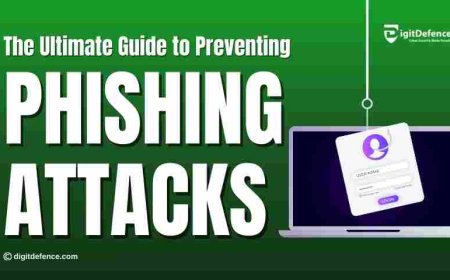
In this attack, hackers send fake emails or messages that look real. These messages often pretend to be from banks, companies, or even coworkers. The goal is to trick users into clicking links or sharing passwords.
Example:
An email says your account is blocked and asks you to log in. The link leads to a fake website.
Why it works:
-
Looks trustworthy
-
Creates urgency
-
Targets human behavior
Phishing remains one of the most successful types of hacking attacks today.
2. Malware Attacks
Malware means malicious software. It includes viruses, spyware, ransomware, and worms.
Once malware enters a system, it can:
-
Steal data
-
Slow down systems
-
Lock files
-
Spy on activity
Malware often enters through:
-
Email attachments
-
Fake downloads
-
Infected websites
This is one of the most damaging types of hacking attacks because it can spread quickly across systems.
3. Ransomware Attacks
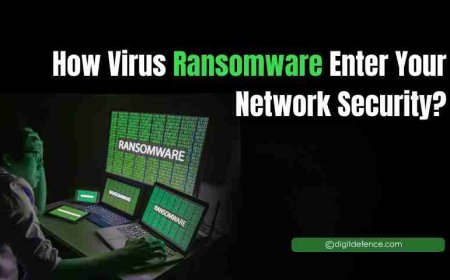
Ransomware is a type of malware attack that locks files and demands payment to unlock them.
Businesses are major targets because downtime costs money. Even hospitals and schools have been attacked.
Key signs:
-
Files suddenly encrypted
-
Message asking for payment
-
System access blocked
Ransomware is one of the most costly types of hacking attacks, especially for businesses without backups.
4. Password Attacks
Weak passwords make hacking easy.
In password attacks, hackers try:
-
Guessing passwords
-
Using leaked password lists
-
Automated login attempts
Common mistakes:
-
Using simple passwords
-
Reusing passwords
-
Not enabling two-factor authentication
Password-based breaches remain a major reason behind many types of hacking attacks across industries.
5. Man-in-the-Middle Attacks
In this attack, hackers secretly intercept communication between two parties.
This often happens on:
-
Public Wi-Fi
-
Unsecured networks
-
Fake hotspots
Hackers can read messages, steal login details, or change data without users knowing.
Man-in-the-middle is one of the more hidden types of hacking attacks, making it harder to detect.
6. Denial-of-Service (DoS) Attacks
A DoS attack overloads a system with traffic so it cannot function.
When multiple systems attack together, it becomes a DDoS attack.
Impact includes:
-
Website downtime
-
Lost sales
-
Damaged reputation
DoS attacks do not always steal data, but they are still serious types of hacking attacks that affect business continuity.
7. SQL Injection Attacks
This attack targets websites that use databases.
Hackers insert malicious code into input fields like login forms or search boxes. If the site is not secure, hackers can access or delete data.
This attack happens because of:
-
Poor coding
-
Lack of security testing
SQL injection remains one of the classic types of hacking attacks still used today.
How to Protect Yourself from Hacking Attacks

You do not need advanced technical skills to stay safe from hacking attacks. Simple habits and basic security steps can greatly reduce risk.
1. Use Strong Passwords
Create long and unique passwords for each account. Avoid using names, dates, or common words. A password manager can help store them safely.
2. Enable Two-Factor Authentication
Two-factor authentication adds an extra step during login. Even if a password is stolen, hackers cannot access the account easily.
3. Be Careful with Emails and Links
Do not click on unknown links or download attachments from suspicious emails. Many hacking attacks start with fake messages.
4. Keep Software Updated
Always update your operating system, apps, and browsers. Updates fix security weaknesses that hackers often exploit.
5. Avoid Public Wi-Fi for Sensitive Tasks
Public Wi-Fi networks are not secure. Avoid logging into bank or work accounts when using public internet.
6. Use Antivirus and Security Tools
Install trusted antivirus software and keep it updated. These tools help detect and block harmful files.
Why Awareness Is the First Step to Cyber Safety
Many hacking attacks succeed not because systems are weak, but because people are unaware of the risks. Being aware of potential threats is the first and most important step in protecting yourself and your business.
When you understand the types of hacking attacks, you can:
-
Spot suspicious emails or messages before clicking links
-
Choose stronger passwords and update them regularly
-
Avoid risky websites or downloads that may contain malware
-
Recognize unusual system behavior early and act fast
Awareness also helps teams and organizations create better security habits. Employees who know the risks are less likely to fall for phishing or social engineering attacks.
In short, technology alone cannot protect you. Cyber safety starts with knowledge. The more you learn about common hacking methods, the harder it becomes for hackers to succeed.
Hacking attacks are becoming more common, and anyone using the internet, whether for personal or business purposes, can be a target. Understanding the types of hacking attacks is the first step toward staying safe.
Remember, cybersecurity is not just about technology, it is about knowledge and awareness. The more you understand the different hacking methods, the better you can protect yourself, your business, and your valuable data.
Stay informed, stay cautious, and make cyber safety a priority every day.