
Why DDoS Attack on Website Threatens Business?
Discover how a DDoS attack can disrupt your website, affect operations, and lead to financial and reputational damage for your business.

What happens if your website suddenly crashes and no one can access it?
In many cases, this isn’t just a server glitch. It could be a DDoS attack. And the longer it lasts, the more your business loses.
A DDoS attack on a website isn’t just a technical issue. It affects how customers see your brand, how much you sell, and how secure people feel using your services. Many businesses don’t realize the damage until it’s already done.
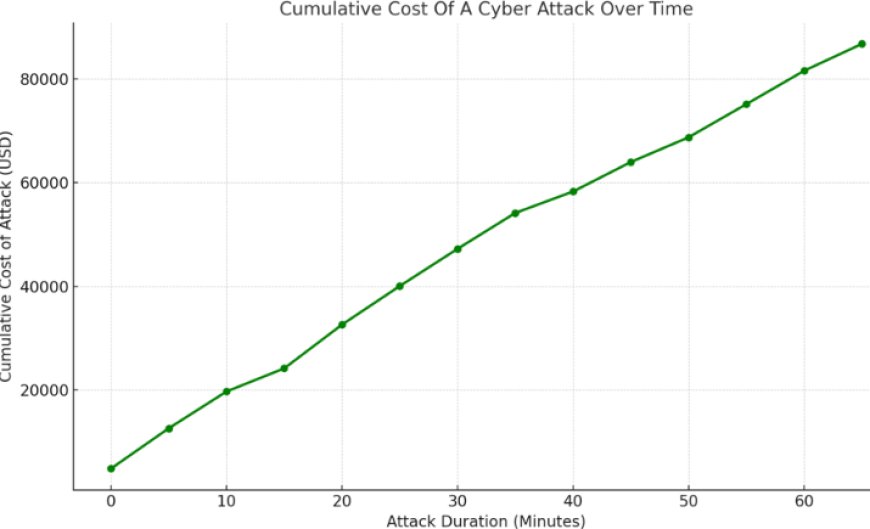
A study suggests that attacks average 68 minutes, costing about ₹4.98 lakh per minute or approximately ₹33.74 crore per incident.
Amazon is one of the biggest online stores and cloud service providers in the world. It supports millions of users and businesses every day, so keeping its services running smoothly is very important.
Amazon’s cloud system was hit by a huge DDoS attack that flooded its network with fake traffic. This attack aimed to slow down or block access to many websites and apps using Amazon’s services, which could cause big problems for users and businesses.
To stop the attack, Amazon used its built-in protection system called AWS Shield. This system quickly found the bad traffic and blocked it, while letting real users get through. Because of this, Amazon was able to keep its services working without interruption, showing how important strong security tools are for big companies.
What Is a DDoS Attack on a Website?
A DDoS attack on a website happens when a network is flooded with massive amounts of fake traffic, causing your server to slow down or completely crash. This prevents real users from accessing your website or using its features.
While these attacks don’t involve data breaches, the disruption they cause can seriously affect operations, interrupting sales, blocking access to services, and damaging user trust. For any business, even short periods of downtime can lead to significant losses.
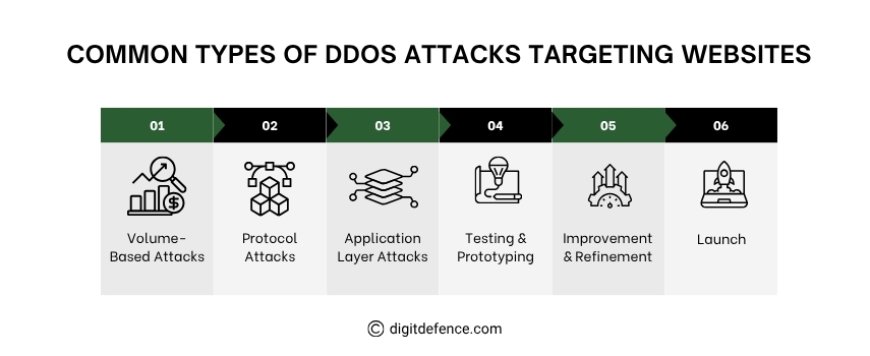
Common Types of DDoS Attacks Targeting Websites
-
Volume-Based Attacks: Flood the network with massive traffic to overwhelm bandwidth, such as UDP floods and ICMP floods.
-
Protocol Attacks: Exploit weaknesses in network protocols to consume server resources, including SYN floods and Ping of Death.
-
Application Layer Attacks: Target specific website functions or applications, like HTTP floods, to exhaust server capacity without large traffic volumes.
-
Slowloris Attacks: Keep connections open by sending partial requests slowly, tying up server resources and preventing legitimate access.
-
DNS Amplification: Use open DNS resolvers to send amplified traffic to a target, increasing the attack’s size significantly.
-
Botnet-Based Attacks: Leverage large networks of compromised devices to launch coordinated and distributed attacks.
How DDoS Attacks Affect Business Operations?
Customer Experience Impact
-
The website becomes slow or unavailable, frustrating visitors
-
Online orders may fail or be delayed
-
Loss of potential sales and damaged brand reputation
Employee Productivity Disruption
-
Access to critical web-based tools and portals is blocked
-
Work delays and missed deadlines across teams
-
Increased operational costs due to downtime
Customer Support Overload
-
Surge in support calls and complaints during attacks
-
Strain on customer service resources
-
Decreased quality of customer support
Business Partner and Supplier Impact
-
Disrupted communication with partners and suppliers
-
Delays in the supply chain or joint projects
-
Potential loss of trust and collaboration issues
Overall Business Workflow Interruptions
-
Delays in multiple departments and processes
-
Reduced efficiency and increased risk of errors
-
Financial losses due to halted operations and recovery efforts
How a DDoS Attack on a Website Impacts Revenue?
A DDoS attack on a website is not only a technical issue; it can cause real financial damage. When your website slows down or crashes, your business feels the impact in multiple ways.
-
Missed Sales: Downtime during busy times drives customers away, causing lost revenue.
-
Emergency Costs: Hiring experts and emergency services to stop attacks is expensive.
-
Wasted Ad Budget: Paid ads send traffic to a broken site, wasting marketing spend.
-
Support Pressure: Site issues lead to more customer complaints, overwhelm support teams.
-
Lost Conversions: Slow or faulty pages make visitors abandon carts and leave.
-
Refund Issues: Failed transactions result in refunds and chargebacks, adding extra work.
Importance of Incident Response Planning
Having a solid incident response plan is critical to quickly managing a DDoS attack on your website. It helps your team act fast, reduce damage, and keep your business running smoothly.
-
Provides Clear Roles and Responsibilities: Defines who does what during a DDoS attack, ensuring a coordinated response without confusion.
-
Enables Faster Detection and Response: Establishes processes to quickly identify attacks and activate defense measures, minimizing downtime.
-
Reduces Financial Impact: Swift action limits the duration and severity of the attack, reducing lost revenue and extra costs.
-
Maintains Customer Trust: Timely communication and resolution reassure customers and partners, protecting your brand reputation.
-
Supports Compliance and Reporting: Helps meet legal or industry requirements for incident handling and documentation.
-
Facilitates Post-Attack Analysis: Provides a structured way to review the attack, learn from it, and improve defenses for the future.
-
Improves Overall Security Posture: Regularly updating and practicing the plan strengthens your organization's readiness against cyber threats.
Ways to Protect from a DDoS Attack on a Website
-
Monitor Traffic: Keep an eye on your website traffic for sudden spikes or unusual behavior. Early spotting helps you act fast and reduce damage.
-
Use Protection Services: Partner with trusted DDoS protection services that block fake traffic while letting real visitors through.
-
Have Backup Ready: Set up backup servers and a plan to reroute visitors if your main site is under attack. This keeps your site live.
-
Train Your Team: Make sure all teams - marketing, support, IT, know how to respond quickly when a DDoS attack occurs.
A DDoS attack on your website affects technology, customers, sales, and your team. Being prepared with the right tools, clear plans, and trained staff helps reduce damage. Watching for unusual traffic, using protection services, and having backups keeps your website available during an attack. Acting quickly saves money and protects your reputation. Taking steps to guard against DDoS attacks helps keep your business safe and trusted.
Looking to protect your website and business from DDoS attacks? Email [email protected] to learn more about effective DDoS Protection solutions.
Stay secure, choose a reliable DDoS defense.