How Social Engineering Attacks Target Businesses
Learn how social engineering attacks target businesses, exploit human behavior, and how organizations can protect against these threats.

Is your business the easiest target for cybercriminals? Could a simple click on the wrong email cost your business millions?
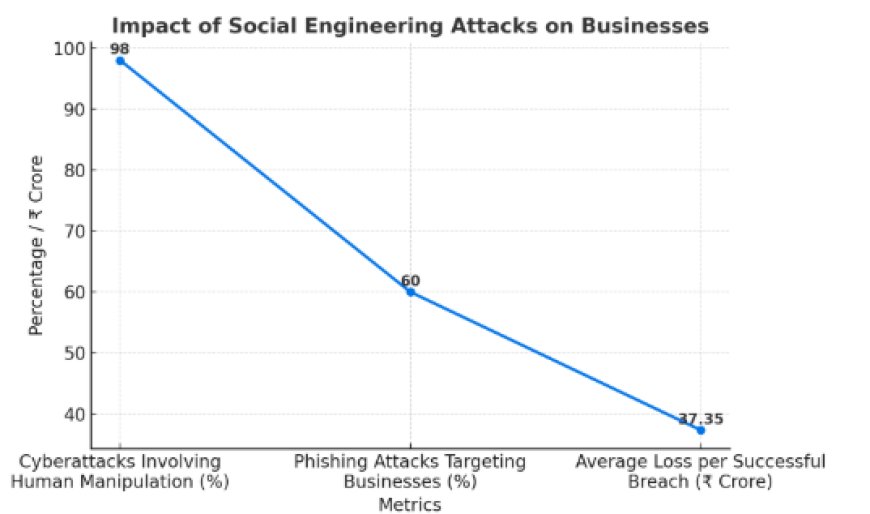
Social engineering attacks are a leading cause of data breaches, with 98% of cyberattacks involving human manipulation, 60% of phishing attacks targeting businesses, and companies losing an average of ₹37.35 crore per successful breach.
Toyota faced a social engineering attack when cybercriminals impersonated a trusted vendor, targeting internal systems and sensitive data.
The attack caused operational disruptions, exposed sensitive data, and highlighted gaps in employee awareness and verification protocols.
Toyota strengthened employee training, implemented stricter verification processes, and enhanced monitoring of vendor communications to prevent future attacks.
What Are Social Engineering Attacks?
Social engineering attacks are cyberattacks that target people rather than technology. Instead of breaking into systems using technical methods, attackers trick individuals into giving away sensitive information, such as passwords, financial details, or access to company systems.
These attacks exploit human emotions like trust, fear, urgency, or curiosity. For example, an attacker might send an email that appears to be from a trusted colleague, requesting confidential files, or pose as IT support to obtain login credentials.
The main goal of social manipulation threatsocial manipulation threats is to manipulate people into making mistakes that compromise security. Unlike traditional cyberattacks, which rely on software vulnerabilities, social engineering depends on human behavior, making it one of the most effective and widespread types of cyber threats.
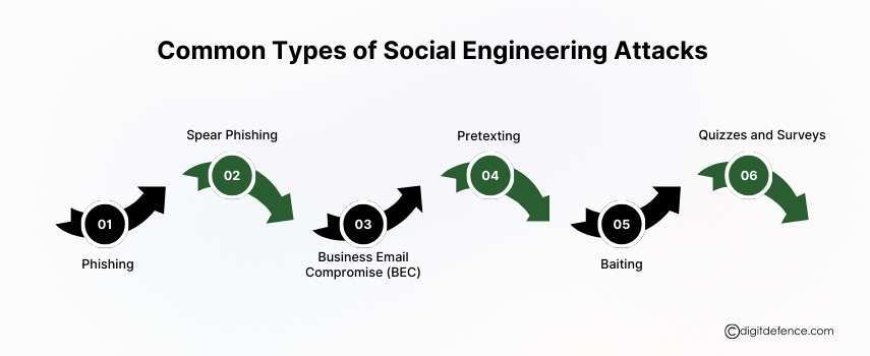
Common Types of Social Engineering Attacks
-
Phishing: Fraudulent emails or messages that appear to be from reputable sources, aiming to steal sensitive information.
-
Spear Phishing: Highly targeted attacks directed at specific individuals or companies, often using personalized information to increase credibility.
-
Business Email Compromise (BEC): Impersonation of executives or trusted partners to deceive employees into transferring funds or sensitive data.
-
Pretexting: Creating a fabricated scenario to obtain information from a targeted individual, such as posing as a vendor or authority figure.
-
Baiting: Offering something enticing, like free software or prizes, to lure victims into compromising their security.
-
Quizzes and Surveys: Using seemingly harmless questionnaires to gather personal information that can be used for malicious purposes.
How Cybercriminals Exploit Human Psychology
Cybercriminals understand that humans are often the weakest link in cybersecurity. Instead of hacking systems directly, they manipulate emotions and behavior to gain access to sensitive information.
Attackers commonly exploit:
-
Trust – Pretending to be a colleague, boss, or trusted organization to gain confidential information.
-
Fear – Sending alarming messages, like “Your account will be locked,” to pressure immediate action.
-
Urgency – Creating a sense of emergency that encourages people to bypass standard security checks.
-
Curiosity – Using enticing links, offers, or attachments that make individuals click without thinking.
How Social Engineering Attacks Target Businesses
Social engineering attacks focus on exploiting human behavior rather than technical vulnerabilities. Businesses are prime targets because attackers know that employees, vendors, or even customers can be manipulated to gain access to sensitive data or systems.
Here’s how these attacks typically target businesses:
-
Phishing Emails – Attackers send emails that appear to be from trusted sources, prompting employees to click on malicious links or share confidential information.
-
Business Email Compromise (BEC) – Cybercriminals impersonate executives or partners to trick employees into transferring money or disclosing sensitive data.
-
Pretexting – Fraudsters create fake scenarios, such as pretending to be IT staff or vendors, to obtain login credentials or confidential documents.
-
Baiting – Employees may be lured into downloading malicious files or software by promising something enticing, like gifts or important resources.
-
Targeting Third-Party Vendors – Attackers often exploit suppliers or contractors with weaker security to gain indirect access to a business’s systems.
How to Spot a Social Engineering Attack
Recognizing a social engineering attack early is key to preventing serious damage. Attackers rely on tricks and manipulation, but there are warning signs you can watch for:
-
Unexpected Requests – Be cautious if someone asks for sensitive information, passwords, or financial details, especially if it’s unexpected.
-
Urgency or Pressure – Messages creating a sense of immediate action, such as “Act now or your account will be closed,” are often red flags.
-
Suspicious Links or Attachments – Phishing emails may contain links that look legitimate but lead to fake websites, or attachments that contain malware.
-
Impersonation – Attackers may pretend to be a colleague, manager, or trusted organization. Always verify the sender before taking action.
-
Poor Grammar or Strange Tone – Many social engineering emails or messages contain spelling mistakes, awkward phrasing, or unusual language for the sender.
The Link Between Phishing and Social Engineering Attacks
Phishing is one of the most common forms of social engineering attacks. While social engineering encompasses any method that manipulates people into revealing information, phishing specifically uses deceptive messages, often via email, to trick targets into taking harmful actions.
Attackers craft emails that appear to come from trusted sources such as banks, colleagues, or popular services. These messages often include:
-
Malicious Links – Directing the user to fake websites designed to steal login credentials.
-
Attachments – Files that contain malware or ransomware.
-
Urgent Requests – Messages creating a false sense of urgency, like “Your account will be suspended if you don’t respond.”
Steps to Protect Your Company from Social Engineering
Social engineering attacks target businesses by exploiting human behavior, third-party vendors, and gaps in organizational processes. While attackers use phishing, pretexting, and business email compromise to gain access, businesses can take several steps to prevent these attacks:
1. Employee Training and Awareness
Educate employees about social engineering tactics and red flags, such as suspicious emails, unexpected requests, and urgent demands. Regular training sessions and simulated phishing exercises can help employees recognize and respond appropriately.
2. Implement Strong Security Protocols
Use multi-factor authentication (MFA), strong password policies, and secure communication channels. These measures make it harder for attackers to gain unauthorized access, even if they obtain some information.
3. Verify Requests and Identities
Always verify unusual requests, especially those involving financial transactions or confidential data. Encourage employees to confirm requests through a second channel, such as a phone call, before taking action.
4. Secure Third-Party Vendors
Ensure that suppliers, contractors, and partners follow strict cybersecurity practices. Many Social manipulation threats exploit weaker links in the supply chain.
5. Regular Security Audits
Conduct periodic assessments to identify vulnerabilities and fix them before attackers can exploit them. Review email filters, access controls, and IT policies regularly.
6. Establish an Incident Response Plan
Have a clear, documented plan for responding to suspected Social manipulation threats. Quick and coordinated action can minimize damage and prevent attacks from escalating.
Future Trends in Social Engineering Threats
As technology evolves, so do the tactics used by cybercriminals. Understanding future trends in social engineering threats is crucial for businesses to stay ahead of attackers.
1. AI-Powered Attacks
Artificial intelligence (AI) is increasingly being used to create highly convincing phishing emails, deepfake voice calls, and realistic messages that are harder to detect. Attackers can personalize messages at scale, making Social manipulation threats more targeted and effective.
2. Exploiting Remote Work
With more employees working remotely, attackers are targeting home networks and personal devices. Social engineering campaigns often exploit remote communication tools, such as video calls and instant messaging platforms, to trick employees.
3. Multi-Channel Attacks
Future attacks are likely to combine email, SMS, social media, and phone calls to increase their chances of success. This multi-channel approach makes it harder for employees to recognize and respond to suspicious activity.
4. Targeting Supply Chains
Cybercriminals will increasingly focus on third-party vendors and contractors, knowing that vulnerabilities in these links can give indirect access to larger organizations. Businesses must ensure that their entire supply chain adheres to robust cybersecurity practices.
5. Personalized Deepfakes
The rise of deepfake technology allows attackers to impersonate executives, colleagues, or customers with highly realistic audio or video messages. These attacks can
Social engineering attacks target the human side of security, making every employee a potential entry point for cybercriminals. One careless click or misplaced trust can cost businesses millions. The best defense is ongoing training, strict verification, and multi-layered security.
By building awareness and resilience, companies can block these manipulative tactics.