
Should Your Business Upgrade to Cloud Management?
Struggling with rising IT costs and inefficiencies? Discover how upgrading to Cloud Management can cut expenses, boost agility, and secure your business.

Is your organization ready to take on the future of IT?
Are you considering moving towards a Cloud Management solution, and need to determine if it is the best option for your organization? As technology changes and advances, deciding to switch from on-premises to cloud-based management can change the balance of efficiency to operational excellence and growth.
Studies show organizations that use mature Cloud Management solutions reduce IT costs by 35%. Organizations indicate system uptime improvements of 40% and 50% faster application deployment, with 70% of companies globally already prioritizing cloud technologies as a strategy.

GlobalFin Tech’s move to a fully managed cloud environment exemplifies the benefits of upgrading to Cloud Management. Previously burdened by slow infrastructure upgrades and escalating costs, GlobalFin Tech adopted a Cloud Service Management solution tailored to its financial services needs.
The results were impressive:
-
45% reduction in overall IT infrastructure costs
-
60% faster deployment of critical financial applications
-
Strengthened data security and compliance with financial regulations
Their success story highlights how Cloud Service Management is not just a technological upgrade but a strategic business decision.
What is Cloud Management?
Cloud Management refers to the administration and control of cloud computing services and infrastructure. It includes monitoring cloud resources, optimizing performance, managing costs, ensuring security, and maintaining compliance across public, private, and hybrid cloud environments.
This approach allows businesses to streamline their IT operations by automating tasks, improving resource allocation, and enhancing security protocols, all while providing flexibility to scale as needed.
Why Should Your Business Upgrade to Cloud Management?
1. Cost Efficiency and Predictability
Upgrading to Cloud Service Management enables businesses to move from a capital-intensive IT infrastructure to an operational expense model. Pay-as-you-go pricing and optimized resource usage help control costs and reduce waste. Companies often see significant savings by avoiding over-provisioning and managing cloud spend efficiently.
2. Improved Security and Compliance
Modern Cloud Service Management platforms offer advanced security features such as encryption, identity and access management, and threat detection. They also help businesses comply with industry regulations by providing audit trails and governance tools, minimizing the risk of data breaches and compliance violations.
3. Enhanced Flexibility and Scalability
Cloud environments can dynamically adjust resources based on demand. With Cloud Service Management, businesses can easily scale up during peak periods and scale down when demand decreases, ensuring optimal performance without paying for unused capacity.
4. Increased Agility and Innovation
Automated Cloud Service Management accelerates the deployment of applications and services. This agility allows businesses to innovate faster, respond to market changes, and deliver new features or products without the delays associated with traditional IT setups.
Key Features to Look for in a Cloud Management Solution
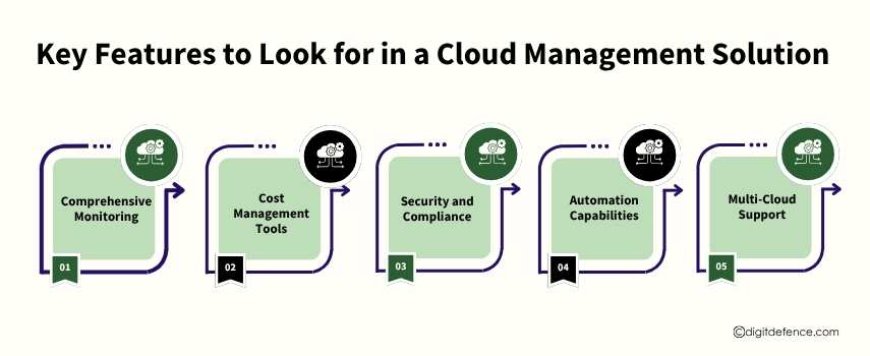
When considering an upgrade, ensure your Cloud Management platform offers:
-
Comprehensive Monitoring: Real-time insights into cloud resource usage and performance.
-
Cost Management Tools: Budget tracking, alerts, and optimization recommendations.
-
Security and Compliance: Built-in encryption, access controls, and regulatory compliance support.
-
Automation Capabilities: Streamlined workflows for provisioning, scaling, and updates.
-
Multi-Cloud Support: Ability to manage multiple cloud providers from a single interface.
How to Successfully Upgrade to Cloud Management
Step 1: Evaluate Your Current IT Infrastructure
Conduct a thorough assessment to identify bottlenecks, costs, and security gaps. Understanding your existing environment helps define goals for the cloud management upgrade.
Step 2: Choose the Right Cloud Management Platform
Select a platform that aligns with your business size, industry requirements, and cloud strategy (public, private, or hybrid).
Step 3: Plan Your Migration
Develop a detailed migration roadmap, including data transfer, application compatibility, and user training.
Step 4: Implement and Optimize
Deploy the cloud management solution, monitor its impact, and continuously optimize configurations for cost, security, and performance.
The Future is Cloud-Managed
The rate of digital transformation is accelerating, and businesses that transition to Cloud Management are positioning themselves for future success. The ability to understand and control expenses, improve data security, and innovate quickly provides a competitive edge no matter the industry.
Through Cloud Service Management, your IT teams can focus on strategy rather than the maintenance of technology solutions, allowing your business to grow faster and smarter.
Moving up to Cloud Management is more than a tech upgrade and a step into the future of your business. If you're looking to reduce costs, take advantage of new technologies, improve security, or react quicker to market demands, Cloud Service Management offers the flexibility and ability to accomplish all of those goals.
Want to take your business to the next level with Cloud Management? Reach out to us today at [email protected] and let us get you started on your successful growth journey!