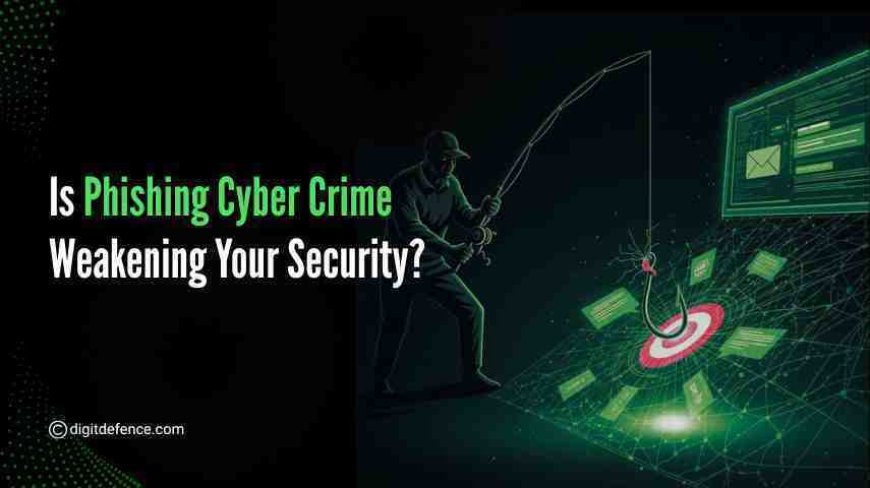
Is Phishing Cyber Crime Weakening Your Security?
Discover how phishing cybercrime impacts your business security and learn practical steps to safeguard data, networks, and operations.
Have you ever clicked on an email that looked real, but later turned out fake? What if that one simple click could cost your business millions?
Phishing cybercrime often starts with something small, an email, a link, or even a phone call. But the damage it causes can be huge, leading to data theft, money loss, and broken customer trust.
Reports show that over 80% of cyber attacks begin with phishing emails. These emails are designed to look real but carry dangerous traps. 1 in every 99 emails is a phishing attempt waiting to trick someone into clicking a link or sharing personal details. Many people don’t realize it until it’s too late.
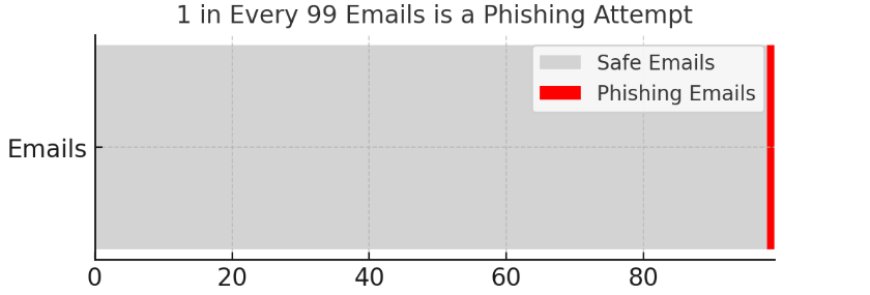
What makes it worse is the cost. Businesses lose around ₹14.7 lakh every minute to phishing attacks worldwide. This shows how a small mistake can quickly turn into a massive loss.
Facebook and Google became targets of a large-scale phishing cybercrime. Hackers posed as a legitimate supplier and sent fake invoices for payment.
The biggest challenge was that these invoices looked so real that even trained finance teams failed to notice. The companies trusted the documents and processed payments without suspicion.
Once the fraud was discovered, both companies worked with law enforcement, tightened internal payment checks, and implemented stronger phishing detection systems to prevent such scams in the future.
What Is Phishing Cyber Crime and Why Is It Dangerous?
Phishing Cyber Crime is one of the most common yet dangerous online threats businesses face today. At its core, phishing is a deceptive practice in which cybercriminals impersonate trusted entities, such as banks, service providers, or even internal employees, to trick individuals into revealing sensitive data, including login credentials, financial details, or personal information.
Different Types of Phishing Cyber Crime Attacks
Understanding the different types of phishing attacks is the first step in building stronger defenses.
1. Email Phishing
This is the most common form, where attackers send fake emails disguised as trusted sources. These emails usually contain malicious links or attachments that steal login credentials or install malware.
2. Spear Phishing
Unlike generic phishing emails, spear phishing is highly targeted. Attackers research specific individuals, often senior executives or employees with privileged access, and craft personalized messages to increase credibility.
3. Whaling Attacks
This is a specialized form of spear phishing aimed at “big fish” like CEOs, directors, and board members. Since these roles often hold sensitive financial or strategic information, attackers invest significant effort in impersonating trusted entities.
4. Smishing (SMS Phishing)
Cybercriminals use text messages to trick users into clicking on malicious links or sharing personal details. Since SMS feels more personal and direct, many fall victim without realizing it.
5. Vishing (Voice Phishing)
Attackers call victims while pretending to be from banks, tech support, or government agencies. The goal is to convince them to share confidential data or make payments.
6. Clone Phishing
In this method, attackers copy a legitimate email previously received by the victim and replace its attachments or links with malicious ones. Because it looks familiar, the recipient is more likely to trust it.
7. Pharming
Here, instead of tricking individuals directly, cybercriminals manipulate domain name systems (DNS) to redirect users to fake websites, even when they type the correct URL. This silent attack makes detection harder.
How Phishing Cyber Crime Weakens Business Security
Cybercriminals often use phishing as the entry point for larger attacks, leaving organizations vulnerable in multiple ways.
1. Data Breaches and Information Theft
Phishing emails are often designed to steal sensitive information such as employee login credentials, customer data, or financial details. Once attackers gain access, they can infiltrate databases, expose trade secrets, or sell information on the dark web.
2. Financial Losses
Phishing cybercrime often leads to direct financial theft or fraudulent transfers. Beyond the immediate loss, businesses also face regulatory fines, customer compensation, and revenue decline due to shaken trust.
3. Compromised Employee Accounts
When employees fall victim, attackers can use their credentials to escalate privileges, install malware, or move laterally within the network. This often goes unnoticed until significant damage is done.
4. Reputation Damage
A single phishing cybercrime attack can ruin years of brand credibility. Customers expect businesses to safeguard their data, and once that trust is broken, recovery is difficult and costly.
5. Operational Disruption
Phishing can serve as a gateway for ransomware attacks, shutting down operations for days or even weeks. The longer the downtime, the greater the impact on productivity, customer service, and overall business continuity.
The Human Element: Why Employees Are the Prime Target
Attackers know that even the most secure systems can be bypassed if they exploit human trust, curiosity, or error. That’s why employees remain the prime target in most phishing attempts.
1. Trust in Communication
Employees often assume emails or messages that appear to come from leadership, HR, or trusted vendors are legitimate.
2. Information Overload
In today’s fast-paced work environments, employees receive hundreds of emails and messages daily. This constant stream creates fatigue, making it easier for a phishing email to slip through unnoticed.
3. Lack of Awareness and Training
Many employees are unaware of how sophisticated phishing cybercrime tactics have become. Without regular cybersecurity training, they may fail to recognize red flags like spoofed URLs, urgent requests, or suspicious attachments.
4. Use of Personal Devices and Remote Work
With hybrid and remote work models, employees often access corporate systems through personal devices or unsecured networks. This opens new avenues for phishing attacks to succeed.
5. Emotional Manipulation
Phishing thrives on urgency and emotion, fear of missing a deadline, pressure to respond to a “boss,” or excitement about a fake reward. Cybercriminals design their messages to trigger quick actions without second thoughts.
Simple Ways to Identify Phishing Emails Early
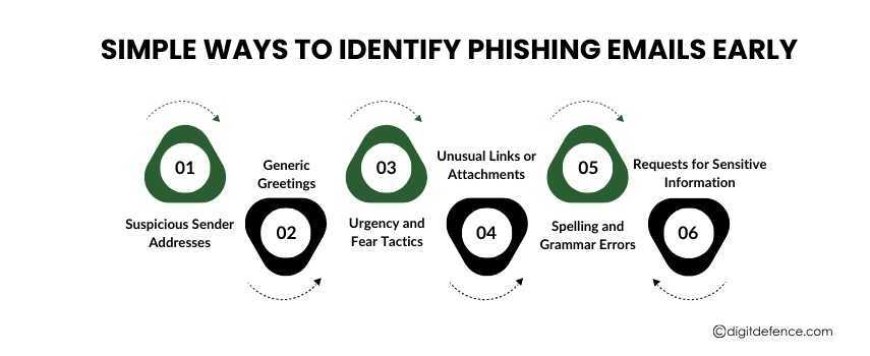
Cybercriminals are becoming more sophisticated, but careful attention to detail can expose their traps. Here are the key indicators:
1. Suspicious Sender Addresses
Look closely at the sender’s email. Attackers often use addresses that appear legitimate at first glance but include subtle misspellings, extra characters, or unusual domains.
2. Generic Greetings
Phishing emails often start with vague salutations like “Dear User” or “Dear Customer” instead of using your actual name. Legitimate companies usually personalize communication.
3. Urgency and Fear Tactics
Phrases like “Your account will be suspended in 24 hours” or “Immediate action required” are designed to trigger panic and quick responses. This is a classic hallmark of phishing cybercrime.
4. Unusual Links or Attachments
Always hover over links before clicking. If the URL doesn’t match the organization’s official website, it’s a red flag. Unexpected attachments, especially .exe, .zip, or macros in documents, are also dangerous.
5. Spelling and Grammar Errors
Professional organizations maintain communication standards. Multiple typos, awkward language, or unusual formatting often indicate fraudulent intent.
6. Requests for Sensitive Information
No legitimate company will ask you to share passwords, credit card numbers, or bank details via email. Any request for this type of data is a sign of phishing cybercrime.
Why Every Business Needs a Phishing Response Plan
Even with advanced firewalls, AI-driven filters, and employee training, phishing cybercrime can still slip through. What separates resilient organizations from vulnerable ones is not just prevention, it’s how effectively they respond when an attack occurs.
1. Phishing is Inevitable, Not Optional
Studies reveal that 90% of cyber attacks begin with phishing. No matter the industry or size, businesses are prime targets. A well-structured response plan ensures that when an employee mistakenly clicks a malicious link, the damage can be contained quickly.
2. Limiting Financial and Data Loss
The average cost of a phishing-related breach is estimated at ₹39.7 crore globally. Without a plan, businesses may spend days identifying the breach, during which attackers could steal data, access accounts, or spread malware. A response plan reduces the recovery timeline and financial impact.
3. Protecting Reputation and Customer Trust
Once customers hear a company has been breached due to phishing cybercrime, trust declines sharply. A strong response plan enables businesses to act transparently, inform stakeholders promptly, and demonstrate control, minimizing long-term reputational damage.
4. Clear Roles and Escalation Steps
A response plan outlines who does what during an attack. From IT isolating compromised devices, to legal handling compliance issues, to PR managing communication, clarity prevents panic and wasted time.
5. Regulatory Compliance
Many industries (finance, healthcare, e-commerce) require strict data protection. Failing to report and manage a phishing breach properly can lead to hefty fines and legal consequences. A response plan ensures compliance with GDPR, HIPAA, or other regional laws.
Phishing Cyber Crime is not just weakening security, it’s exploiting the very foundation of trust that businesses and customers depend on. With billions of phishing emails sent daily, ignoring this threat is no longer an option.
Don’t wait for a phishing attack to compromise your business. Partner with experts who understand the changing threat environment. Contact us today at [email protected] to protect your business against Phishing cybercrime.