
Why Businesses Need to Understand DNS in Networking
Struggling with website downtime or slow speeds? Learn why understanding DNS in networking is key to improving your site’s performance and security today!
Have you ever thought about how your website is found on the internet?
What happens when a user types your website's name in the browser? The answer is something called DNS in networking, which is important to know if you want your business to be found online. Learning about how DNS in networking operates is beneficial to companies hoping to increase their visibility, protection, and performance online.
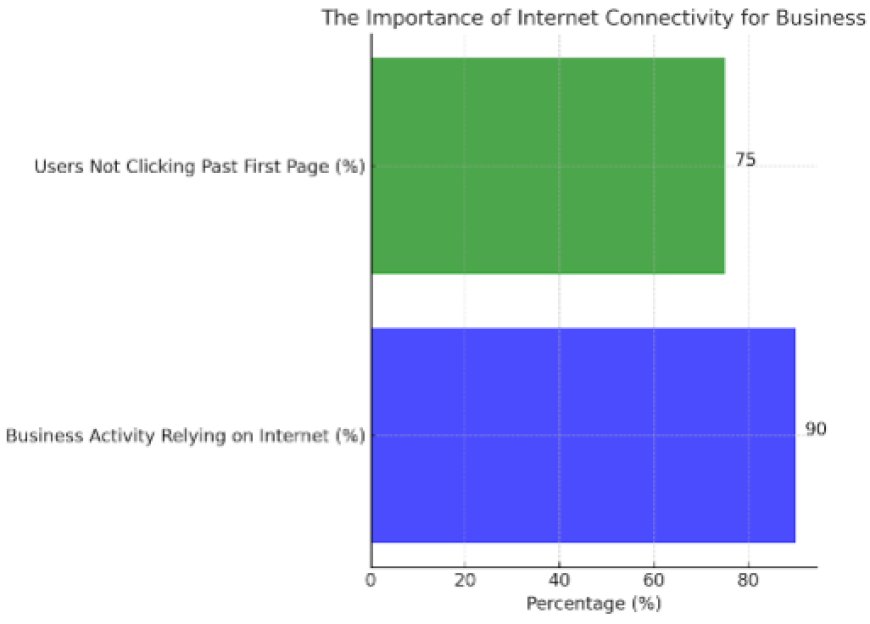
Based on Cisco's data, upwards of 90% of all business activity depends on internet connectivity, and approximately 75% of online users don't click through to the second page of search results. Statista's research estimates that there will be over 3.5 billion internet users by 2025, highlighting the importance for businesses to be easy to approach and visibly accessible online. Firms using a fast, trustworthy, and secure Domain Name System (DNS) infrastructure have a much greater likelihood of attracting and retaining customers.
Shopify is a popular e-commerce platform that provides services to over 1.7 million businesses around the world. As an online store builder that powers a large, diverse range of small to medium-sized businesses, Shopify’s website and platform must be fast, speedy, and scalable, as an e-commerce facilitator, any downtime or performance related issues could negatively affect businesses using the platform that could lead to lost sales and unhappy customers.
Shopify was starting to face growing performance challenges with its DNS configuration, especially as it started to build a globally diverse customer base. With millions of customers logging in to the platform from different countries around the world, the speed of DNS resolution was a major consideration when clients visited Shopify's site. As with any other entity online, security threats such as DNS attacks (e.g., DNS spoofing, DDoS attacks, etc.) could potentially surface and threaten Shopify’s business or its customers’ data security.
Shopify's case shows how DNS optimization can directly impact website performance, security, and scalability for e-commerce companies. By using Cloudflare's DNS capabilities and security products, Shopify had a solid way to guarantee the quality of performance for its platform and enhance those performance measures to seize the largest market share, even during peak periods of traffic coming from customers' browsers or impending cyber-based attacks. This case study proves both the importance of DNS in networking - its true merits with real examples - and that DNS with robust infrastructure can accommodate reaching real business results and customer satisfaction.
What is DNS in Networking?
DNS or Domain Name System is a part of networking that translates human-readable domain names (ie, www.yourbusiness.com) into human-unreadable numeric IP addresses that computers use to communicate. When a user enters a URL in their web browser, DNS resolves the URL into the associated IP address and connects the browser to the website. DNS is essentially the "phonebook" of the internet, converting domain names to machine-readable addresses, which computers use to communicate with each other.
You will notice that every website you visit on the internet is hosted on a server, and all servers have an internal IP address. It would be virtually impossible for the end user to remember these IP addresses, so instead, we fall back on DNS, which assists businesses and customers in translating those domain names into IP addresses, which make it much easier to navigate through the internet.
Why Businesses Need to Understand DNS in Networking?

-
Ensures Website Accessibility
One of the primary reasons businesses need to understand DNS in networking is that it directly impacts their website's accessibility. If DNS is not properly configured or experiences disruptions, customers may not be able to reach your website, resulting in lost traffic, leads, and revenue. For example, if your DNS server goes down, users trying to access your site may encounter error messages or timeouts. Understanding how DNS works allows businesses to ensure their websites are always available, preventing downtime and keeping operations smooth.
-
Boosts Website Performance and Speed
The performance of your website can significantly improve with the right DNS in networking strategy. DNS directly affects your site’s loading time, and faster-loading websites improve user experience and increase conversion rates. A slow DNS resolution process can cause delays in loading times, which can be a major deterrent for potential customers. According to Google, a one-second delay in website load time can result in a 20% reduction in conversions.
-
Enhances Security and Protects Against Attacks
DNS can also play a crucial role in protecting your business from cyber threats. DNS in networking can be configured to prevent attacks such as DNS spoofing, phishing, and DDoS (Distributed Denial of Service) attacks. DNSSEC (Domain Name System Security Extensions) helps ensure that the DNS information is not tampered with, adding a layer of security for both your business and your customers.
-
Improves SEO and Online Visibility
Your DNS setup can also affect your search engine rankings. Search engines like Google consider website performance and reliability when determining how to rank sites in search results. Websites with slow loading times or inconsistent uptime can suffer from lower rankings, leading to decreased organic traffic. A well-configured DNS setup ensures your website remains fast, reliable, and always available, helping to improve your SEO and boost visibility.
How to Optimize DNS for Your Business
-
Choose a Reliable DNS Provider
Partner with a reliable DNS provider that offers fast resolution times, robust security, and minimal downtime. Providers like Cloudflare and Amazon Route 53 are known for their performance and security features.
-
Implement DNSSEC for Security
Use DNSSEC to protect your business from DNS hijacking and ensure that your DNS responses are not altered by malicious actors.
-
Leverage CDN and Load Balancing
Use Content Delivery Networks (CDNs) to optimize your DNS queries and reduce latency by caching data across different geographical locations. This can drastically improve load times, especially for global businesses.
-
Monitor DNS Performance
Regularly monitor your DNS performance to identify issues that may affect website availability or speed. Tools like DNSPerf can help you track your DNS provider’s performance and ensure optimal speed and reliability.
Comprehending DNS in networking is crucial for companies that want to remain competitive in an online environment. By making small adjustments to DNS settings, a company can improve website accessibility, enhance security, and increase performance, all of which improve the user experience and increase conversion rates.
Don't wait to take advantage of optimizing your DNS for speed and security. Reach out to us today at [email protected] to discover how we could help you transform your DNS configuration to improve both your website's performance and your business!