How to Stay Ahead of the Latest Cybersecurity Threats
Stay ahead of current cybersecurity threats with expert tips, proactive strategies, and tools to protect your data, ensure compliance, and stay secure today!

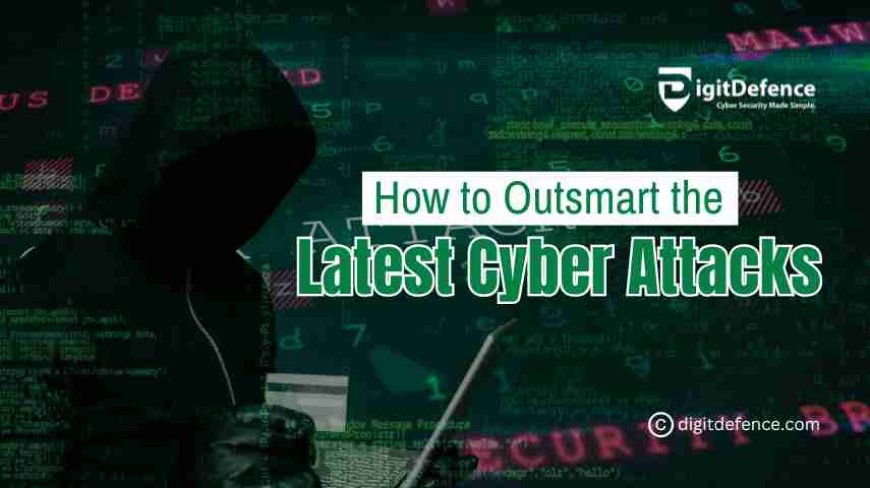
As a cybersecurity specialist, I have personally seen how quickly changing threats can cause disruptions for companies and threaten confidential information. Cyberattacks today are no longer limited to large corporations; they target individuals, small businesses, and enterprises alike. Ransomware, phishing scams, and sophisticated malware are just a few of the challenges we face daily. Staying ahead of these cybersecurity threats is not just a task; it’s a necessity for protecting your digital environment and maintaining trust with customers and stakeholders.
When I look back on the strategies that have worked, it’s clear that proactive planning and the right tools make all the difference. From monitoring real-time threats to educating teams about best practices, staying one step ahead of attackers requires a multi-layered approach. It’s about more than just defense; it’s about empowerment, ensuring that businesses like mine can thrive without being derailed by cyber risks. Through vigilance and innovation, we can transform cybersecurity from a challenge into a strength.
Understanding Cybersecurity Threats
What Are Cybersecurity Threats?
Cybersecurity threats refer to malicious activities or vulnerabilities that exploit weaknesses in networks, systems, or devices to steal, damage, or disrupt data and operations. These threats can come from various sources, including hackers, rogue employees, or even poorly configured systems.
Types of Cybersecurity Threats
-
Ransomware Attacks: malicious software encrypts your data and demands a ransom for decryption.
-
Phishing Scams: Fraudulent emails or messages trick users into revealing sensitive information.
-
Malware: Includes viruses, worms, and Trojans designed to damage systems or steal data.
-
DDoS Attacks: Distributed Denial of Service attacks overwhelm a system, rendering it inaccessible.
-
Insider Threats: Employees or contractors misuse access privileges, either accidentally or maliciously.
Why Are Cybersecurity Threats on the Rise?
-
Increased Digital Transformation
As businesses shift operations online, more data becomes accessible to attackers. The reliance on cloud computing, IoT devices, and remote work environments has expanded the attack surface.
-
Advanced Tactics by Cybercriminals
Hackers are using AI-driven techniques to automate attacks and exploit vulnerabilities faster. Zero-day exploits, for instance, target unknown vulnerabilities before they are patched.
-
Lack of Awareness
A significant number of cybersecurity threats are successful because of human error. Weak passwords, untrained staff, and failure to update systems often open the door to attackers.
Key Strategies to Stay Ahead of Cybersecurity Threats
1. Conduct Regular Risk Assessments
-
Why It’s Important: Identifies vulnerabilities in your network and systems.
-
How to Do It: Use tools like vulnerability scanners and penetration testing to simulate potential attacks.
-
Actionable Tip: Conduct assessments quarterly to address new threats promptly.
2. Invest in Advanced Security Solutions
-
Endpoint Protection: Deploy Endpoint Detection and Response (EDR) tools to monitor and protect devices.
-
Firewalls and Intrusion Detection Systems: Create barriers against unauthorized access.
-
Real-Time Monitoring: Use Security Information and Event Management (SIEM) systems for 24/7 monitoring.
3. Educate Your Workforce
-
Why It’s Critical: Human error is a leading cause of breaches.
-
Training Focus Areas: Phishing awareness, strong password practices, and recognizing suspicious activities.
-
Actionable Tip: Conduct regular mock phishing exercises to test employee vigilance.
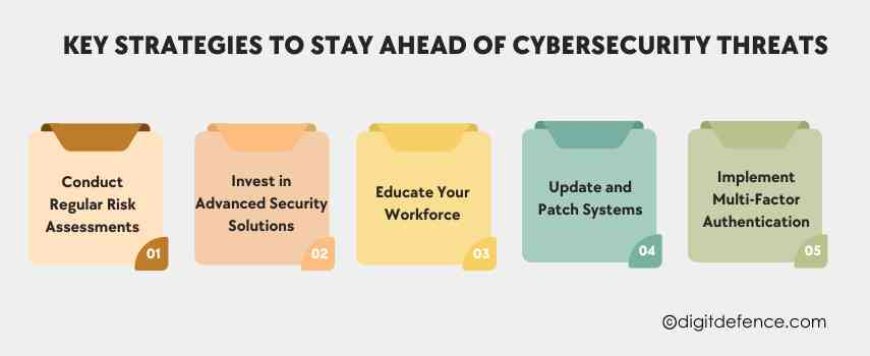
4. Update and Patch Systems
-
Why It Matters: Unpatched software is a common entry point for attacks.
-
Best Practices: Automate updates for operating systems, applications, and plugins.
-
Actionable Tip: Maintain an inventory of software and regularly check for updates.
5. Implement Multi-Factor Authentication (MFA)
-
Why It’s Essential: Adds an extra layer of security beyond passwords.
-
How It Works: Combines something you know (password) with something you have (a code) or are (biometric).
Latest Cybersecurity Threats to Watch Out For
1. AI-Powered Attacks
Hackers are leveraging AI to launch smarter phishing campaigns and bypass traditional defenses.
Defense: Use AI-driven threat detection systems to counteract these attacks.
2. Supply Chain Attacks
Attackers target third-party vendors to infiltrate larger networks.
Defense: Regularly vet vendors and implement zero-trust policies.
3. IoT Vulnerabilities
IoT devices often have weak security, making them easy targets.
Defense: Segment IoT devices on separate networks and ensure they’re updated regularly.
4. Cloud Security Gaps
Misconfigured cloud settings can expose sensitive data.
Defense: Use cloud-specific security tools like AWS GuardDuty or Azure Security Center.
Best Practices for Businesses
1. Adopt a Zero-Trust Security Model
Verify every user and device before granting access to your network.
Why It Works: Prevents lateral movement of attackers within your systems.
2. Backup Data Regularly
Follow the 3-2-1 rule: 3 copies of data, 2 different storage types, 1 offsite.
Why It Works: Ensures recovery during ransomware attacks or data loss.
3. Monitor Your Network
Use tools like Wireshark and Splunk to detect unusual activity.
Why It Works: Early detection helps mitigate potential threats.
4. Partner with Cybersecurity Experts
Engage third-party cybersecurity firms for audits and advanced threat protection.
Why It Works: Access to expertise and tools that might be cost-prohibitive for in-house teams.
Tools to Combat Cybersecurity Threats
-
Norton 360: Comprehensive protection for small businesses and individuals.
-
CrowdStrike Falcon: Endpoint detection and response for real-time threat management.
-
Bitdefender GravityZone: Cloud-based security for enterprises.
-
Palo Alto Networks Prisma Access: Secure access for remote workers.
-
Cisco Umbrella: Protects against DNS-based attacks.
Future Trends in Cybersecurity
-
AI Integration: AI tools will become more common for detecting and neutralizing threats.
-
Blockchain Security: Enhanced protection for financial transactions and sensitive data.
-
Biometric Authentication: Fingerprints and facial recognition to replace passwords.
-
Quantum Computing Challenges: Cybersecurity will need to adapt to counter quantum-powered attacks.
Measuring the Success of Your Cybersecurity Strategy
Key Metrics:
-
Incident Response Time: Measure how quickly threats are detected and mitigated.
-
Phishing Simulation Results: Assess employee awareness and preparedness.
-
Downtime Reduction: Track improvements in operational continuity during incidents.
-
Compliance Scores: Ensure adherence to regulations like GDPR and HIPAA.
Case Study: 1 CrowdStrike's Faulty Update Incident
Overview:
CrowdStrike released a flawed software update in July 2024, causing widespread system crashes (blue screens) on Windows machines. This affected critical industries, including banking, healthcare, and airlines, resulting in operational disruptions.
Implementation:
A faulty configuration file in the update led to the crashes. The company issued a patch to rectify the issue, but testing protocols were revealed to be insufficient.
Outcome:
Businesses faced significant downtime, with Fortune 500 companies incurring $5.4 billion in costs. The incident highlighted the need for rigorous update testing and effective incident response.
For more information, Source link here: LINK
Case Study: 2 Microsoft Email Breach by Midnight Blizzard
Overview:
Russian state-sponsored group Midnight Blizzard breached Microsoft in January 2024. They accessed the email accounts of senior executives using a password spray brute-force attack.
Implementation:
Hackers exploited weak passwords and gained unauthorized access. Microsoft identified the attack and implemented advanced monitoring and multi-factor authentication (MFA).
Outcome:
The breach exposed sensitive internal communications, prompting Microsoft to enhance authentication measures and train employees on cybersecurity practices. This incident underlined the importance of strong passwords and proactive threat monitoring.
Staying ahead of the latest cybersecurity threats requires a proactive and layered approach. From adopting advanced tools to educating employees and implementing robust security protocols, businesses can significantly reduce their risk. As threats evolve, so must your strategies, ensuring your data, systems, and reputation remain secure. By investing in the right solutions and practices today, you can build a resilient defense against tomorrow’s challenges. Cybersecurity threats may never disappear, but with the right approach, you can stay one step ahead.