
What is Risk and Hazards?
Understand the concepts of risk and hazards, their differences, types, and significance in various contexts, including safety and management.

As a cybersecurity specialist, I often encounter conversations where the terms "risk" and "hazard" are used interchangeably. While they might seem similar, understanding the distinction between these two concepts is important not just in cybersecurity, but in any field focused on protecting people, assets, or systems.
In simple terms, a hazard is a potential source of harm. It’s the "what could go wrong" factor. A risk, on the other hand, is the likelihood that this hazard will cause harm, coupled with the impact it could have. Imagine standing near a busy road; the traffic is the hazard, but stepping into that traffic is the risk you take.
In the realm of cybersecurity, hazards could be anything from malicious software, phishing attempts, or insider threats to vulnerabilities in your systems. Risk, however, depends on how exposed you are to these hazards and the steps you take to mitigate them. For instance, a poorly patched system connected to the internet faces a high risk of being exploited.
I’ll share the concepts of risk and hazards, why they matter, and how understanding them can help you create a safer digital environment. Whether you're safeguarding a personal device or managing a corporate network, having clarity on these terms is the first step to effective security planning.
What Are Risks?
Risk refers to the potential for an adverse event or loss, combined with the probability of its occurrence. Essentially, it’s a measure of uncertainty. For instance, driving a car comes with the risk of accidents, which can be quantified using statistics like accident rates.
In cyber security, risk involves the likelihood of a cyber threat exploiting a vulnerability, resulting in damage such as data breaches or system downtime. Managing risk means identifying these vulnerabilities, evaluating potential impacts, and taking steps to mitigate them.
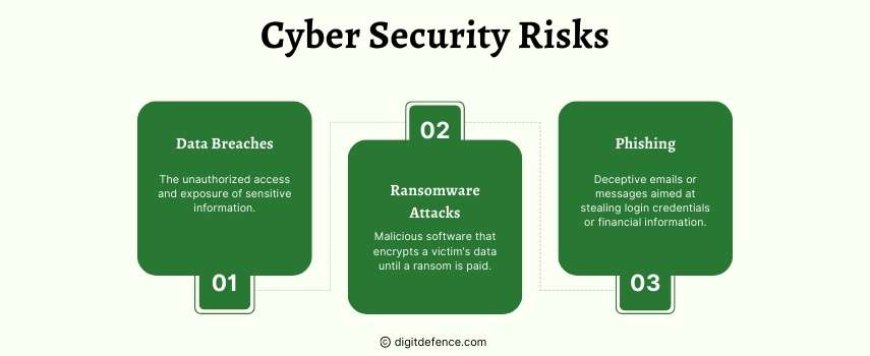
Some examples of cyber security risks include:
-
Data Breaches: The unauthorized access and exposure of sensitive information.
-
Ransomware Attacks: Malicious software that encrypts a victim’s data until a ransom is paid.
-
Phishing: Deceptive emails or messages aimed at stealing login credentials or financial information.
What Are Hazards?
A hazard, on the other hand, refers to a condition, situation, or source that has the potential to cause harm. Hazards are inherent properties of a system or environment. For example, icy roads are a hazard to drivers, increasing the chance of an accident.
In the digital realm, hazards include factors that create conditions ripe for cyber security incidents. Examples include poorly configured servers, outdated software, or even human error such as weak password management. While hazards don’t directly equate to harm, they create the potential for harm when combined with other elements like threats or vulnerabilities.
Key Differences Between Risk and Hazards
To clarify:
-
Hazard: The inherent potential for harm.
-
Risk: The probability and impact of harm occurring due to that hazard.
Think of it this way: a volcano is a hazard. Living near a volcano increases your risk of being affected by an eruption. Without proximity (exposure), the hazard may remain irrelevant to you.
The Relationship Between Risk, Hazards, and Vulnerabilities in Cyber Security
In cyber security, risk often arises from the interplay between hazards, vulnerabilities, and threats. Let’s break this down:
-
Hazards: Outdated systems, unsecured devices, weak encryption.
-
Vulnerabilities: Flaws that make a system susceptible to threats, such as an unpatched software vulnerability.
-
Threats: External actors or forces that exploit vulnerabilities, such as hackers or malware.
For example, consider an organization that uses outdated encryption protocols (hazard). This creates a vulnerability that hackers (threats) can exploit, increasing the risk of sensitive data being stolen.
Real-World Case Study: The SolarWinds Cyberattack
One of the most prominent examples highlighting the concepts of risk and hazards is the SolarWinds cyberattack, which came to light in December 2020. This incident demonstrates how hazards and vulnerabilities can escalate risks when exploited by threats.
Background
SolarWinds is a major provider of IT management software. The company unknowingly distributed compromised software updates containing malicious code to its clients. This supply chain attack affected thousands of organizations, including Fortune 500 companies and U.S. government agencies.
Hazards
-
Software Complexity: SolarWinds’ Orion software was a complex tool used by many organizations, creating an attractive target for attackers.
-
Lack of Robust Checks: The update process lacked rigorous security checks, allowing malicious code to be introduced.
Vulnerabilities
-
Update Mechanism: The attackers exploited weaknesses in SolarWinds’ software update mechanism to distribute malware.
-
Insufficient Monitoring: Many affected organizations failed to detect the intrusion for months.
Threats
-
Advanced Persistent Threat (APT) Groups: Sophisticated attackers, reportedly linked to a nation-state, executed the breach with stealth and precision.
Risk and Impact
The risk materialized in massive data breaches, exposure of sensitive government and corporate information, and billions of dollars in mitigation costs. Organizations underestimated their exposure to supply chain hazards, leading to catastrophic consequences.
Lessons Learned
-
Identify Hazards: Recognize potential hazards in third-party software dependencies.
-
Reduce Vulnerabilities: Implement stronger controls around update mechanisms.
-
Manage Risk: Continuously assess and mitigate risks associated with supply chain partners.
Managing Risk and Hazards
Understanding and managing risk requires a proactive approach. Here’s how individuals and organizations can mitigate both risks and hazards:
For Individuals
-
Stay Informed: Be aware of common hazards like phishing attempts and malware.
-
Use Strong Passwords: A weak password is a vulnerability; using strong, unique passwords reduces risk.
-
Enable Multi-Factor Authentication (MFA): This adds a layer of security to your accounts.
For Organizations
-
Risk Assessment: Regularly evaluate the risk landscape and identify potential hazards.
-
Training: Human error is a significant hazard in cyber security; train employees on best practices.
-
Incident Response Plans: Develop and test plans to minimize damage when incidents occur.
-
Use Security Tools: Invest in firewalls, intrusion detection systems, and endpoint security to minimize vulnerabilities.
Cyber Security Frameworks
Adopting frameworks like the NIST Cybersecurity Framework can guide organizations in addressing both risks and hazards effectively. Key steps include:
-
Identify: Understand assets, threats, and vulnerabilities.
-
Protect: Deploy safeguards to reduce vulnerabilities.
-
Detect: Monitor systems for unusual activity.
-
Respond: Develop strategies for mitigating incidents.
-
Recover: Ensure resilience and continuity after incidents.
The Human Factor in Cyber Security
Often overlooked, the human element is a significant hazard in cyber security. Examples include:
-
Falling for phishing scams.
-
Accidentally downloading malicious software.
-
Sharing sensitive information over unsecured channels.
Mitigating these risks involves fostering a culture of awareness and vigilance. Regular training, clear policies, and user-friendly tools can significantly reduce human errors.
Understanding risk and hazards is critical for navigating today’s interconnected and increasingly digital world. By recognizing hazards, addressing vulnerabilities, and mitigating risks, we can build safer environments both in physical and cyber security contexts.
The SolarWinds case is a sobering reminder of what can happen when hazards and risks are underestimated. Whether you’re a business owner, IT professional, or everyday internet user, taking proactive measures to manage risks and reduce hazards will help protect you from potential threats.