
How to Secure Your Website from Cyber Threats?
Learn practical steps to protect your website from cyber threats with proven security strategies, tools, and prevention techniques.

Is Your Website Tested Against Cyber Threats?
Business websites are often the first point of contact with customers, partners, and internal operations. Yet, many remain untested against current security threats.
While it’s easy to assume basic protection like HTTPS or security plugins is enough, the real danger lies in what’s not visible, outdated modules, misconfigured access points, or exposed integrations.
This is where website penetration testing becomes critical. It identifies the exact paths attackers can use, before they’re used against you.
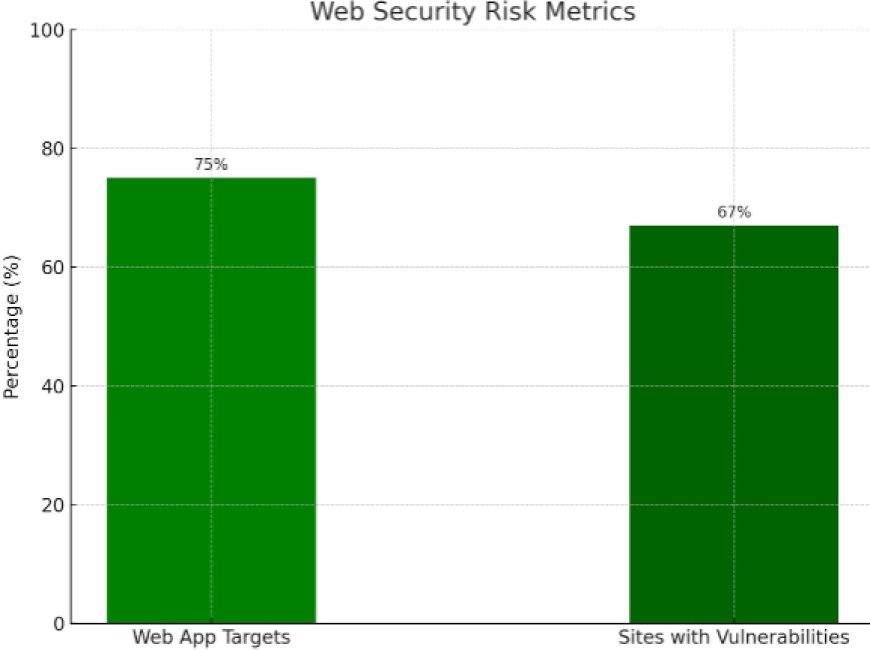
Over 75% of data breaches target web applications, and more than two-thirds of websites have known security vulnerabilities
Samsung, one of the world’s leading tech brands. It faced a serious security problem when hackers got into its internal systems and stole important data. This included code that controls how Samsung devices work and stay secure. Even though customer information wasn’t stolen, the breach showed that internal systems were not fully protected.
The main problem was weak settings in the tools and systems used inside the company. Hackers used these weak points to get access and copy sensitive files without being noticed. This showed that even a large company with good security can miss hidden risks if systems aren’t tested properly.
After the attack, Samsung worked with security experts to improve protection. One important step was doing regular website penetration testing. This helped find and fix weak areas before attackers could use them. It also made sure both public websites and private systems were better protected in the future.
What Is Website Penetration Testing?
Website penetration testing is a methodical assessment conducted by security professionals to simulate real-world attacks on your website. The objective is to identify and evaluate vulnerabilities from the perspective of a potential attacker, providing insight into the actual risks your business may face if those issues remain unaddressed.
Unlike routine compliance checks, penetration testing offers a deeper evaluation of your website’s security posture, testing whether your code, infrastructure, and user-facing components can effectively resist exploitation attempts in a real threat environment.
Why Internal Tools and Scanners Aren’t Enough
Basic vulnerability scanners or automated tools can highlight common security issues such as outdated software or misconfigurations. However, they often miss deeper flaws like business logic vulnerabilities, insecure user journeys, improper session handling, or privilege escalations.
Website penetration testing goes beyond automation. It combines automated detection with manual analysis, allowing security professionals to simulate real-world attack scenarios. This method not only identifies existing weaknesses but also shows how they could be exploited to gain unauthorized access, disrupt processes, or impact critical functionality.
What Are the Business Advantages?
1. Prevent Operational Disruption
Penetration testing helps ensure that your platform, service flows, and backend operations are not vulnerable to attacks that could lead to downtime, data loss, or service failure.
2. Identify Exploitable Weaknesses
This isn’t about listing technical flaws. It’s about understanding what a real threat actor could do with access and how quickly it could escalate.
3. Maintain Compliance
Regulatory frameworks like ISO 27001, PCI-DSS, HIPAA, and GDPR require or recommend regular website penetration testing. Meeting these standards protects not only your infrastructure but also your legal position.
4. Strengthen Your Security Baseline
Most data breaches stem from simple, preventable issues. Testing highlights these early so you can patch and improve before threats materialize.
How Website Penetration Testing Is Conducted
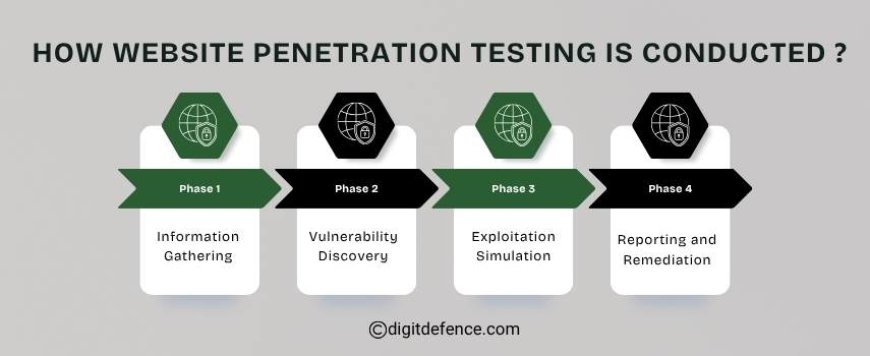
Phase 1: Information Gathering
Testers collect insights about your application, servers, endpoints, technologies used, and public assets.
Phase 2: Vulnerability Discovery
A combination of scanning and manual checks are used to locate misconfigurations, outdated components, weak access control, or unsafe input handling.
Phase 3: Exploitation Simulation
Testers simulate actual attacks based on the findings. This helps measure the real-world impact of vulnerabilities and determine what kind of access or damage an attacker could achieve.
Phase 4: Reporting and Remediation
You receive a report showing each finding, risk level, potential impact, and recommended resolution, written in clear language for both technical and non-technical stakeholders.
Common Vulnerabilities Discovered During Website Pen Testing
During penetration tests, certain types of weaknesses tend to appear across many websites, even professionally built ones. Identifying these in advance helps reduce exposure dramatically.
Frequent findings include:
-
SQL Injection – Exploiting user input to access or modify databases
-
Cross-Site Scripting (XSS) – Injecting malicious scripts into input fields
-
Broken Authentication – Allowing unauthorized access to user or admin accounts
-
Insecure File Upload – Permitting dangerous file types or file renaming attacks
-
Session Hijacking – Capturing session tokens to impersonate users
-
Directory Traversal – Gaining access to hidden server files
Through website penetration testing, these vulnerabilities can be identified, validated, and resolved before they’re targeted by threat actors.
When Should a Website Be Tested?
Testing should be done:
-
After any major feature release
-
Following platform or plugin updates
-
After server migrations or configuration changes
-
If you handle customer data or online transactions
-
At least once per year for operational assurance
Modern websites change frequently. Website penetration testing should align with those changes, not follow them reactively.
What Happens If You Don't Test?
Without penetration testing, your organization risks:
-
Leaving serious vulnerabilities unnoticed
-
Falling short of compliance requirements
-
Losing customer data or internal IP address to attackers
-
Operational downtime following preventable breaches
-
Reputational damage that’s difficult to recover from
In most breach cases, the exploited weakness was known but unaddressed.
How to Choose the Right Testing Partner
Not all testing is equal. When selecting a provider, ensure they:
-
Use both automated and manual testing
-
Provide remediation support, not just reports
-
Include tests for authentication, session handling, logic flaws, and configuration errors
-
Maintain full confidentiality with signed agreements
-
Offer post-remediation testing to verify fixes
Avoid vendors who deliver generic reports or rely solely on tools. The value lies in expert analysis, not just automation.
Basic security tools aren't enough to protect against modern threats. Website penetration testing helps discover real risks before attackers exploit them. It strengthens your defenses, protects customer data, supports compliance, and keeps your business running without disruption. Investing in regular testing now can prevent serious issues later.
Want to secure your website against real-world cyber threats?
Email [email protected] to learn more about our Website Penetration Testing services.