
How Cybersecurity Companies Secure Fintech Business?
Discover how cybersecurity companies help protect fintech businesses from threats through compliance, encryption, and secure architecture.

Why do early-stage fintech companies often face security issues before they become stable?
In many cases, startups focus heavily on launching their product quickly. This can lead to missing or delaying important security measures. Without strong protection, there are higher chances of data leaks, fraud, and compliance problems. These issues can affect customer trust, cause financial loss, and reduce investor confidence.
That’s why cybersecurity companies play a vital role. They are essential partners and should be integrated into the foundation of any fintech business from the very start.
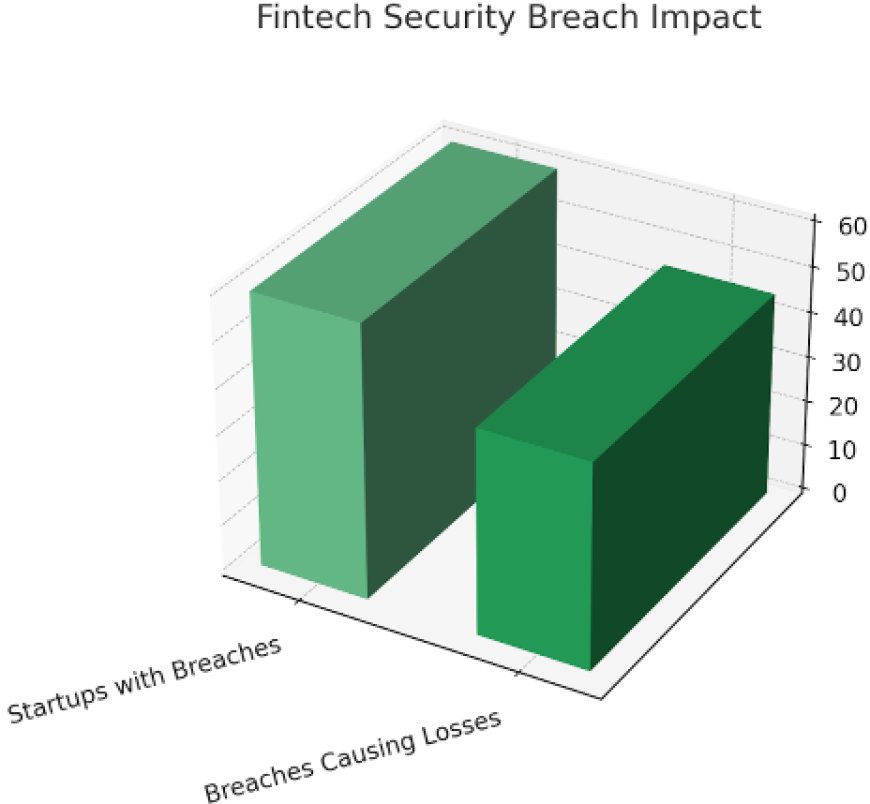
According to industry reports, 60% of fintech startups experience security breaches within their first two years, and 45% of these breaches lead to significant financial losses or regulatory penalties.
Understanding Security Vulnerabilities in Fintech Platforms
Fintech companies manage sensitive data like financial information and personal identities, making them attractive targets for hackers.
Because many fintech startups move quickly with small teams, security measures are sometimes delayed or overlooked to meet launch deadlines. This can expose them to risks such as:
-
Data breaches
-
Fraudulent transactions
-
Fake account registrations
-
API vulnerabilities
These security gaps can cause significant financial damage and harm the company’s reputation.
Cybersecurity firms help by identifying these weak points and putting strong defenses in place early on. They provide solutions like secure coding practices, real-time threat detection, and regular security audits. This proactive approach protects fintech businesses from attacks, ensures compliance with regulations, and builds trust with customers and investors. Taking security seriously from the start is essential for long-term success.
The Role of Cybersecurity Companies in Fintech
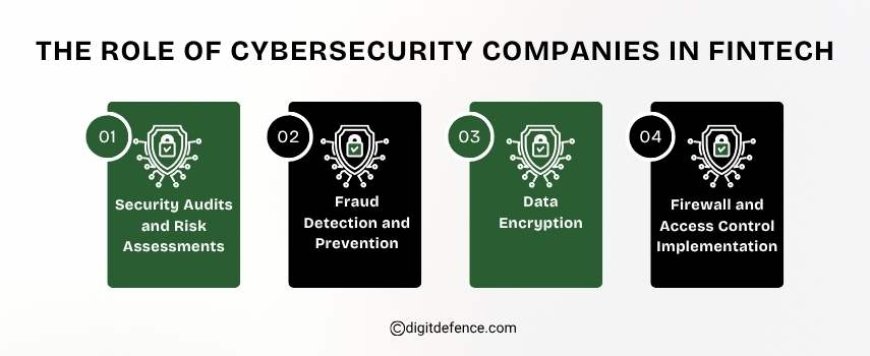
Cybersecurity companies play a vital role in helping fintech businesses operate securely and meet regulatory requirements. Their support typically includes:
-
Security Audits and Risk Assessments
Identifying vulnerabilities across applications, APIs, and infrastructure to prevent potential breaches.
-
Fraud Detection and Prevention
Implementing intelligent tools that monitor transactions and flag suspicious activity in real time.
-
Data Encryption
Protecting sensitive customer and financial data through strong encryption protocols, both in transit and at rest.
-
Firewall and Access Control Implementation
Restricting unauthorized access and defending systems against external threats with advanced firewall rules and user permissions.
By integrating these measures, cybersecurity providers help fintech companies strengthen their defenses, protect customer trust, and ensure long-term stability in a highly regulated industry.
Security Planning Challenges for Early-Stage Fintech Firms
Many new fintech companies delay security planning because of common beliefs like:
-
“We will handle it after we grow.”
-
“Our platform won’t attract threats right now.”
-
“Security might slow down our launch.”
These ideas can lead to serious risks. Attackers often search for systems with weak protection, and early-stage companies can become easy targets.
By including cybersecurity from the beginning, fintech firms can protect customer data, reduce future risks, and build a trusted platform. Cybersecurity companies help by finding security gaps and putting strong protections in place that can grow with the business.
Security Breaches That Affected Fintech Companies
Here are recent Indian examples showing why strong cybersecurity is essential, not optional, for fintech platforms:
-
WazirX – A major hack compromised the exchange’s hot and cold wallets. Attackers walked away with approximately $235 million (around ₹1,950 crore) in crypto assets. This exploit highlighted serious gaps in multisig controls and transaction monitoring.
-
MobiKwik – A suspected data breach involving over 100 million users, including KYC documents, card details, and personal data, appeared on the dark web. Despite initial denial, independent researchers confirmed the leak, prompting an RBI forensic audit
-
Aditya Birla Capital Digital – A breach in their digital gold platform resulted in the theft of ₹1.95 crore worth of assets from 435 customer accounts
Proactive Cybersecurity Strategies for Fintech Companies
Effective cybersecurity is preventative by design. Rather than responding after a data breach occurs, fintech companies must implement systems that anticipate and mitigate risks in real time. A proactive approach helps maintain operational continuity, regulatory compliance, and customer trust.
Key Capabilities Provided by Cybersecurity Firms:
-
Real-Time System Monitoring
Enables continuous surveillance of networks and infrastructure to detect anomalies and potential threats promptly.
-
Advanced Threat Intelligence
Utilize global threat data and analysis to identify emerging risks before they impact operations.
-
AI-Driven Threat Detection
Utilizes machine learning algorithms to recognize suspicious patterns and flag high-risk activities with speed and accuracy.
-
Secure User Authentication
Implements dynamic authentication methods to ensure that only verified users can access sensitive systems and data.
-
Early Incident Alerting
Delivers instant notifications of unusual behavior, allowing for immediate investigation and response.
Risk Management in India’s Leading Fintech Cities
India’s major fintech cities, Mumbai, Bengaluru, Chennai, Hyderabad, and Pune, are central to the country’s digital finance ecosystem. These hubs process large-scale transactions, store sensitive financial data, and support high-growth startups. That also makes them top targets for cyber attackers.
Without structured risk management, a single breach in one of these city-based companies can affect millions of users and trigger operational, regulatory, and reputational damage.
Cybersecurity Companies operating in these zones bring deep understanding of localized threats, compliance expectations, and infrastructure needs. Their work includes:
-
Securing cloud environments, APIs, and mobile apps used by fintech products
-
Conducting red-team simulations and penetration testing for investor readiness
-
Implementing RBI-mandated data protection frameworks
-
Offering 24/7 incident response in high-risk zones
Firms based in these metro cities should treat cybersecurity not as a feature, but as core infrastructure. Working with experienced Cybersecurity Companies early can help reduce risk and build investor and user confidence from day one.
How to Choose the Right Cybersecurity Partner for Fintech Companies
Selecting the right cybersecurity partner is essential for fintech businesses. Not all providers fully understand the unique requirements of financial platforms. To ensure strong security and compliance, fintech firms should look for a partner who:
-
Has proven experience working with fintech systems and financial data
-
Offers adaptable service options that fit your company’s needs
-
Is knowledgeable about important regulations like PCI DSS, SOC 2, and GDPR
-
Provides clear, regular reporting and supports audit processes
By choosing a cybersecurity partner with these qualities, fintech companies can build stronger defenses and protect their business from evolving cyber threats.
FAQs
Why do fintech startups face security challenges?
Fintech startups often focus on quick launches and may delay security, which increases risks like data breaches and fraud.
What are common security risks for fintech companies?
Common risks include data leaks, fake accounts, payment fraud, and attacks on APIs.
How do cybersecurity companies help fintech businesses?
They identify vulnerabilities, monitor for fraud, encrypt data, and set up firewalls to protect systems.
Why is early security planning important for fintech firms?
Early security helps prevent data loss, builds trust, and avoids costly breaches later.
Are cybersecurity services for fintech companies available in major Indian cities?
Yes, cybersecurity services for fintech companies are available in key Indian cities such as Mumbai, Bengaluru, Hyderabad, Chennai, and Pune. These providers understand local regulations and the specific security challenges faced by fintech businesses in these areas.
Cybersecurity is very important for fintech companies. It helps protect customer data and prevents fraud. Starting security early keeps the business safe and builds trust with customers. Working with experts helps fintech companies grow strong and stay secure.
Want to protect your fintech business from cyber threats? Visit www.digitdefence.com or email [email protected] to learn more about our cybersecurity services.
Keep your fintech safe and secure.