How Threat Modelling in Cyber Security Secures Data?
Worried about hidden cyber risks? Learn how threat modelling helps spot weaknesses early and protect your data before attackers even get close.
Are You Sure Your Business Can Survive a Cyber Attack?
Think again. Most companies don’t know until it’s too late. A missed software update. An exposed API. A weak password. That’s all it takes. Hackers don’t always go for the big companies first. They go for the ones that are easy to hit. This is where threat modeling in cyber security becomes something you can’t afford to ignore.
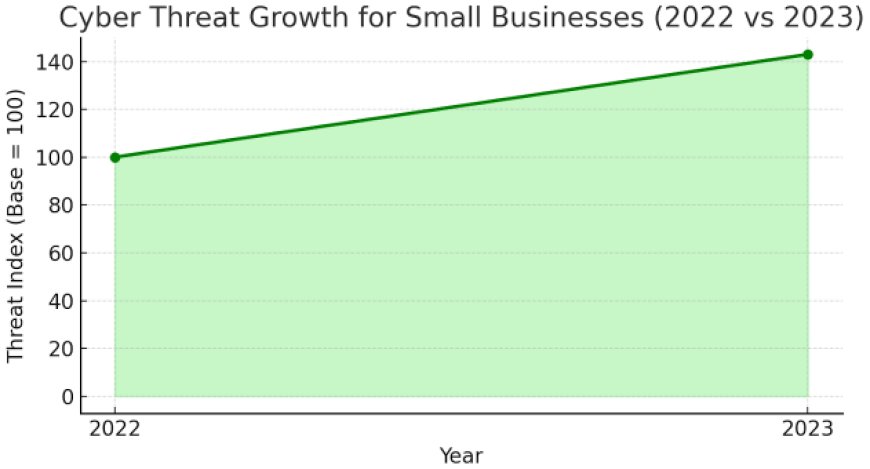
Studies suggest cyber threats against small businesses grew 43% in 2023, signalling urgent security needs.
PayPal, a leading digital payments platform, processes millions of transactions every day. To protect user data and maintain trust, PayPal uses threat modeling as part of its software development process. This helps them find and fix security risks before they become bigger problems.
At one point, PayPal discovered a vulnerability that exposed sensitive customer information, including Social Security numbers, for several weeks. This happened because changes to how data flowed through their system unintentionally created weak spots. The incident showed how important it is to keep updating threat modeling and security checks as systems evolve.
In response, PayPal added stronger security measures like multifactor authentication for users, forced password resets, and protections against automated attacks. They also improved their threat modeling by including more detailed testing and involving different teams to cover all possible risks. These steps helped PayPal strengthen its defenses and protect customer data more effectively.
What is Threat Modelling in Cyber Security?
Threat modeling in cyber security is a way of looking at your systems and asking: “If someone wanted to break this, how would they do it?”
It’s about identifying potential risks before attackers find them. Instead of relying only on firewalls or antivirus software, threat modeling helps you:
-
Understand your tech stack from top to bottom
-
Pinpoint weak areas
-
Choose the right solution
How Threat Modelling in Cyber Security Secures Data

Data is often the most valuable asset for any business. Whether it’s customer information, financial records, or intellectual property, protecting data from breaches is critical. This is where threat modeling in cyber security plays a vital role.
Threat modelling helps you understand how attackers might try to access or steal your data. By looking at every part of your system, databases, APIs, and user interfaces, you can identify the weak points before hackers do. This proactive approach means you can:
-
Spot vulnerabilities early and fix them before they are exploited
-
Implement stronger access controls to prevent unauthorized data access
-
Ensure sensitive data is encrypted and properly stored
-
Detect potential insider threats by analyzing who has access to what
-
Prepare for different attack scenarios like data theft, manipulation, or ransomware
By applying threat modelling regularly, businesses avoid costly data breaches that damage their reputation and lead to financial loss. It also builds customer trust, showing that you take their privacy seriously.
Why Most Businesses Ignore This
In many organizations, the focus tends to be on product launches, meeting deadlines, and supporting customers. As a result, security often receives lower priority until a serious issue arises.
Typically, the process looks like this:
-
Development teams build systems rapidly to meet business needs.
-
Security measures are applied only at the final stages.
-
Minor cyber security vulnerabilities go unnoticed during this rushed process.
-
Eventually, attackers discover these weaknesses.
-
The company then faces financial losses, damage to reputation, and potential legal consequences.
This pattern highlights why integrating threat modelling early is critical for preventing costly security incidents.
How Does Threat Modelling in Cyber Security Work?
It follows a basic but powerful structure:
1. Define What You’re Protecting
Your website? Your app? Customer databases? Cloud systems? Get clear on this first.
2. Map System Architecture
Sketch out how the system works. Where does data come in? Where does it go? Who has access?
3. Assess Potential Threats
Use a model like STRIDE (Spoofing, Tampering, Repudiation, Information disclosure, Denial of service, Elevation of privilege) to map risks.
4. Prioritize Risk Mitigation
Not every risk needs action right away. Prioritise based on impact and likelihood.
Key Sectors That Need Threat Modelling in Cyber Security
-
Startups – Rapid growth means higher risk if security is ignored.
-
E-commerce – Handling payment and customer data makes you a prime target.
-
Software Development – Building secure applications requires early threat planning.
-
Freelancers & Solopreneurs – A single breach can damage your reputation irreversibly.
-
Large Enterprises – Complex systems and bigger teams multiply security risks.
Benefits of Threat Modelling in Cyber Security
-
Saves Time: You catch problems before launch, not after customers are affected.
-
Reduces Risk: Threats are predicted and fixed early.
-
Builds Stakeholder Trust: Whether it’s clients, investors, or users, knowing your product was built with security in mind builds confidence.
-
Compliance Ready: It helps when dealing with regulations like GDPR, HIPAA, or PCI-DSS. You already know your risk areas.
Threat modelling in cyber security helps you find problems before they become big issues. No matter the size of your business, it helps you protect your data and avoid costly mistakes. Ignoring it can lead to serious damage, but making it part of your process keeps your systems safe and your customers trusting you.
Looking to protect your business from cyber attacks by identifying risks early?
Email [email protected] to learn more about Threat Modelling in Cyber Security solutions.
Stay secure, start threat modelling today.