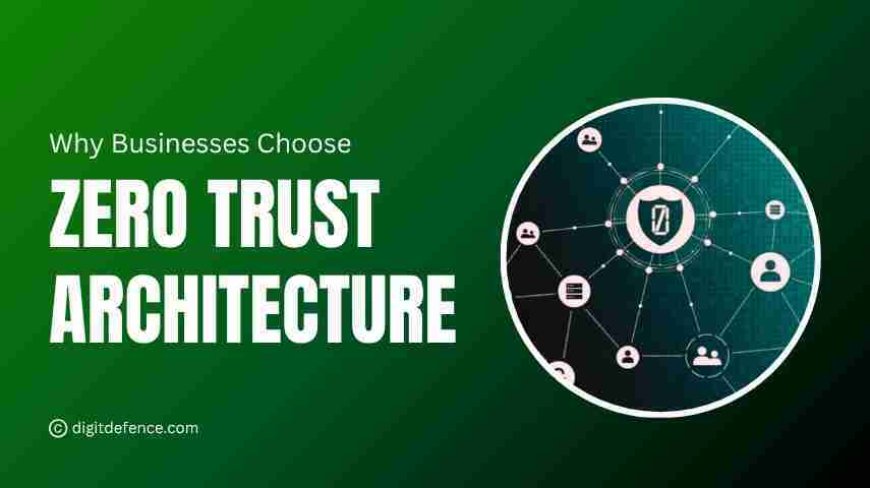
Why Businesses Choose Zero Trust Architecture
Discover why businesses choose Zero Trust Architecture to protect data, prevent cyber attacks, and secure cloud, remote, and on-premise systems.
Businesses face many online risks. People now work from different places, store data in the cloud, and use many devices like laptops and phones to connect to office systems. Because of this, it’s harder to keep everything safe using old security methods that trust everyone inside the network
Zero Trust Architecture is a new way to protect business systems. It works on a simple rule, “never trust, always verify.” Every user and device must be checked before they can access company data or systems.
This approach helps businesses stop data leaks, protect important information, and keep all networks secure, whether in the cloud or on-site. For modern businesses, Zero Trust is not just an option , it’s the smart way to stay safe and trusted.
Toyota Data Leak (2023)
In 2023, Toyota Motor Corporation faced a serious data leak caused by a cloud security misconfiguration. For nearly a decade, one of Toyota’s cloud environments was accidentally left publicly accessible, allowing anyone to view customer information without needing a password.
This misconfiguration exposed data from over 2 million Toyota customers in Japan, including vehicle location details and telematics information. While there was no direct evidence of misuse, the incident raised major concerns about cloud safety and data privacy.
Toyota quickly took action by fixing the configuration, tightening its cloud security settings, and improving its data access monitoring. However, the incident showed how even trusted global brands can face risk from a simple setup mistake.
What Is Zero Trust Architecture?
Zero Trust Architecture is a modern cybersecurity framework built on the key principle of never trust, always verify every access.
It does not assume that anyone inside or outside the company network is safe.
Instead, it checks and verifies every user, device, and connection before giving access to data or apps.
In simple words, Zero Trust makes sure that only the right person, using the right device, can reach the right data, and only when needed.
Key Components of a Zero Trust Architecture
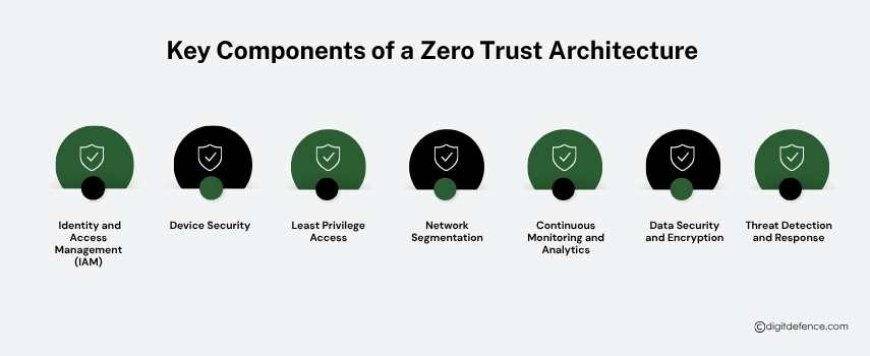
Here are the main components of a Zero Trust Architecture:
1. Identity and Access Management (IAM)
IAM ensures that only verified users can access company data.
It uses methods like multi-factor authentication (MFA), single sign-on (SSO), and role-based access control (RBAC) to confirm each user’s identity.
2. Device Security
Every device that connects to the network must be checked for security.
Zero Trust continuously monitors device health, compliance, and location before granting access.
3. Least Privilege Access
Users only get access to the specific data or systems they need for their job, nothing more.
This limits damage in case an account or device is compromised.
4. Network Segmentation
The network is divided into smaller, secure zones.
If a breach happens in one area, it doesn’t spread to the rest of the system.
5. Continuous Monitoring and Analytics
Zero Trust doesn’t stop after login. It constantly monitors user behavior, detects unusual activities, and responds quickly to threats in real time.
6. Data Security and Encryption
Data is encrypted both when stored and while being transferred. This ensures that even if data is intercepted, it cannot be read or used.
7. Threat Detection and Response
Advanced tools such as XDR (Extended Detection and Response) and SIEM (Security Information and Event Management) help identify and stop attacks early.
Why Businesses Are Choosing Zero Trust
Zero Trust Architecture has become the smarter choice because it verifies every user and device before access is given.
Here’s why many businesses are choosing it:
-
Growing Cyber Threats
Hackers use stolen passwords, phishing, and weak systems to attack companies. Zero Trust reduces these risks by checking every access request.
-
Remote and Hybrid Work
Employees now work from different places and devices. Zero Trust keeps remote access safe through identity and device verification.
-
Cloud Expansion
Business data is stored across many cloud platforms. Zero Trust provides the same level of protection across cloud, hybrid, and on-prem systems.
-
Data Protection
Sensitive customer and company data need strong protection. Zero Trust gives users only the access they need, reducing data leaks.
-
Compliance and Regulations
Many industries must follow data protection laws. Zero Trust helps meet these standards easily and securely.
-
Building Customer Trust
When businesses keep data safe, customers trust them more. This builds a strong and secure brand image.
Why Zero Trust Is the Future of Cybersecurity
Here’s why Zero Trust is the future of cybersecurity:
-
Stops Modern Cyber Threats
Zero Trust checks every login and device before allowing access. This helps stop hackers who try to break in using stolen passwords or weak links.
-
Safe for Remote and Hybrid Work
Employees work from different locations and use personal devices. Zero Trust keeps this access safe by verifying identity and device health.
-
Protects Cloud Data
Most companies now use cloud storage. Zero Trust makes sure all data, whether in the cloud or office, is protected under the same security rules.
-
Keeps Sensitive Data Safe
It gives users only the access they need, so even if one account is hacked, the attacker can’t reach all the data.
-
Helps Meet Security Rules
Many industries must follow data laws. Zero Trust helps companies stay compliant by controlling who can access important information.
Cyber risks are increasing, and old security methods no longer work. As employees work from many places and data is stored in the cloud, businesses need a better way to stay safe.
Zero Trust Architecture gives that protection by checking every user and device before allowing access. It helps prevent attacks, protect data, and keep systems running smoothly.
When businesses follow Zero Trust, they can keep their information safe, follow data rules, and earn customer trust. It is the most practical and secure way to protect any business today.