Strengthen Your Business with Network Authentication
Is your business vulnerable to cyberattacks? Strengthen your security with network authentication and protect your data. Start securing your business today!
Is your business network protected from cyber threats? Have you implemented the right level of authentication in network security to safeguard your critical data?
In a digital environment, network security is no longer optional, it’s a necessity. With cyber threats becoming more advanced, authentication in network security plays a crucial role in protecting sensitive information and ensuring the integrity of your network.
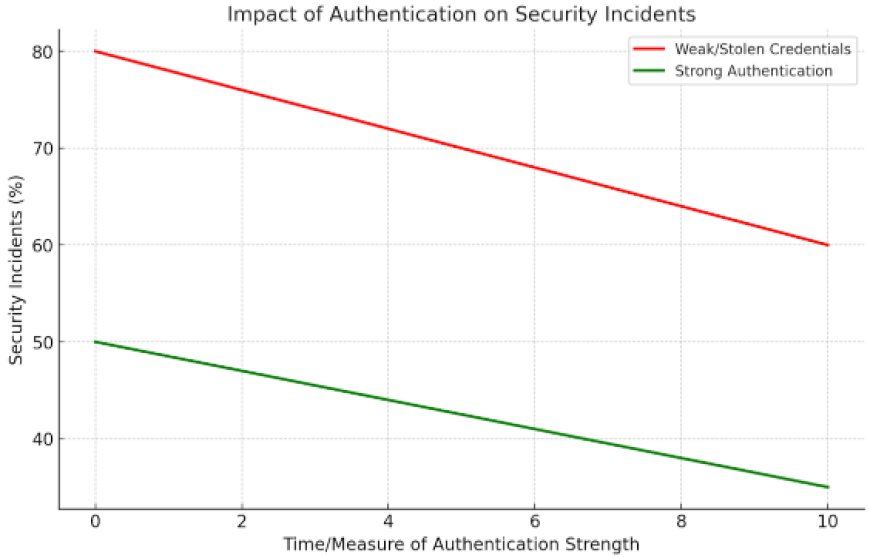
Studies show that 80% of data breaches are caused by weak or stolen credentials, while businesses with strong authentication measures experience 50% fewer security incidents. Implementing robust network authentication strategies can help your business stay ahead of cybercriminals and secure valuable data.
One of the most effective examples of authentication in network security comes from Microsoft. Microsoft implemented multi-factor authentication (MFA) across its organization. The result was a significant decrease in cyberattack attempts on its platform. According to Microsoft, 99.9% of compromised accounts were blocked by MFA, demonstrating the effectiveness of strong authentication measures in reducing security risks.
By enforcing MFA for employees and users accessing their services, Microsoft was able to prevent unauthorized access, reduce the potential for data breaches, and enhance the overall security posture of the company. This case study serves as a strong example of how adopting authentication in network security can make a tangible difference in protecting valuable business assets.
What is Authentication in Network Security?
Authentication in network security refers to the process of verifying the identity of users, devices, or systems trying to access a network. This is a critical step in ensuring that only authorized individuals can interact with sensitive company data and resources. There are several types of authentication methods, including:
-
Password-based authentication: Requires users to enter a password to access systems.
-
Multi-factor authentication (MFA): Requires users to provide multiple forms of identification (e.g., password and fingerprint or OTP).
-
Biometric authentication: Uses unique physical characteristics like fingerprints or facial recognition for identity verification.
By requiring proper authentication, businesses can prevent unauthorized access, reduce the risk of data breaches, and ensure compliance with regulations like GDPR or HIPAA.
How Network Authentication Strengthens Your Business
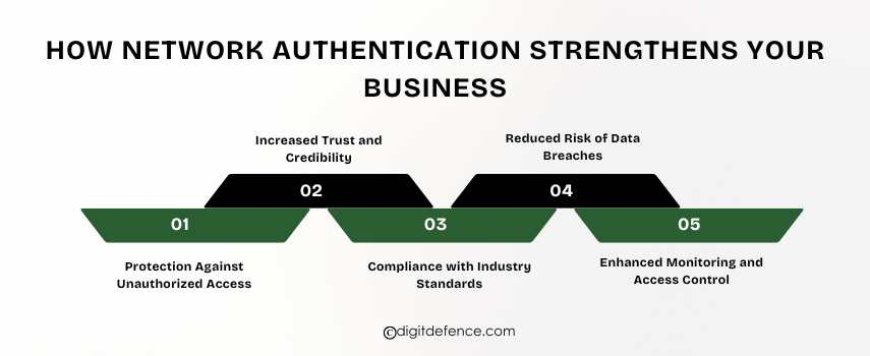
1. Protection Against Unauthorized Access
The most obvious benefit of authentication in network security is preventing unauthorized access to your network and systems. If your business network is vulnerable to unauthorized logins, hackers or malicious insiders can steal valuable information, manipulate data, or cause operational disruptions. Strong authentication mechanisms, like multi-factor authentication (MFA), significantly reduce this risk by ensuring that only legitimate users gain access to critical resources.
2. Increased Trust and Credibility
Customers and partners are more likely to trust businesses that take network security seriously. If your business handles sensitive customer data, such as payment information or health records, ensuring strong authentication practices will reassure your customers that their data is protected. Authentication in network security not only protects your business but also helps build trust with customers by demonstrating that you are committed to safeguarding their personal information.
3. Compliance with Industry Standards
Many industries, such as finance, healthcare, and retail, are subject to strict regulations regarding data security and privacy. Authentication in network security helps businesses comply with these regulations by ensuring that only authorized individuals can access sensitive data. For instance, HIPAA (Health Insurance Portability and Accountability Act) in healthcare and PCI-DSS (Payment Card Industry Data Security Standard) in the financial industry both require businesses to implement secure authentication measures to protect sensitive customer information.
4. Reduced Risk of Data Breaches
Data breaches are a major concern for businesses, and many of these breaches occur due to weak authentication practices. According to a Verizon Data Breach Investigations Report, 81% of hacking-related breaches involved stolen or weak passwords. Implementing strong authentication methods significantly reduces the likelihood of a breach, safeguarding your business from the financial and reputational damage that follows.
5. Enhanced Monitoring and Access Control
With advanced authentication systems, businesses can also implement stronger monitoring and access control policies. This means that not only are users authenticated, but businesses can track who accessed specific resources, when, and why. This level of visibility allows businesses to detect suspicious activities and respond quickly to potential threats, providing a higher level of security overall.
How to Implement Strong Authentication in Your Business
1. Use Multi-Factor Authentication (MFA)
MFA is one of the most effective ways to protect your business from unauthorized access. Require employees and users to provide two or more verification factors before gaining access to sensitive systems.
2. Choose Strong Passwords
Encourage employees and users to create strong, unique passwords that are difficult to guess. Implement password policies that require a combination of letters, numbers, and special characters, and ensure that passwords are changed regularly.
3. Implement Biometric Authentication
Biometric authentication, such as fingerprint scans or facial recognition, adds an extra layer of security by using unique physical traits for identification.
4. Regularly Monitor Access Logs
Monitor access logs regularly to identify any unusual activities. Immediate action can be taken if an unauthorized user is detected attempting to access your systems.
5. Train Employees on Security Practices
Educate employees about the importance of authentication in network security and encourage them to follow best practices when it comes to securing their accounts and devices.
Authentication in network security is one of the most effective ways to protect your business from cyber threats, safeguard customer data, and maintain trust. By implementing strong authentication measures, such as multi-factor authentication, businesses can prevent unauthorized access, comply with industry standards, and mitigate the risk of data breaches. As the digital environment changes, businesses must take proactive steps to secure their networks and data.
Ready to strengthen your business with strong network authentication? Contact us at [email protected] to get started with customized security solutions that fit your business needs.