Will Software Cyber Security Stop Your Next Breach?
Discover how software cyber security helps detect, prevent, and respond to breaches, keeping business data and systems safe from evolving threats.

What would happen if hackers got into your company's systems tomorrow? Could your business survive if your customer records, designs, or financial details disappeared overnight? For many companies, one major cyberattack is enough to cause heavy losses, lawsuits, and even force them to shut down.
Reports show that over 70% of cyberattacks now target business software, making it one of the most vulnerable parts of any company’s digital setup.
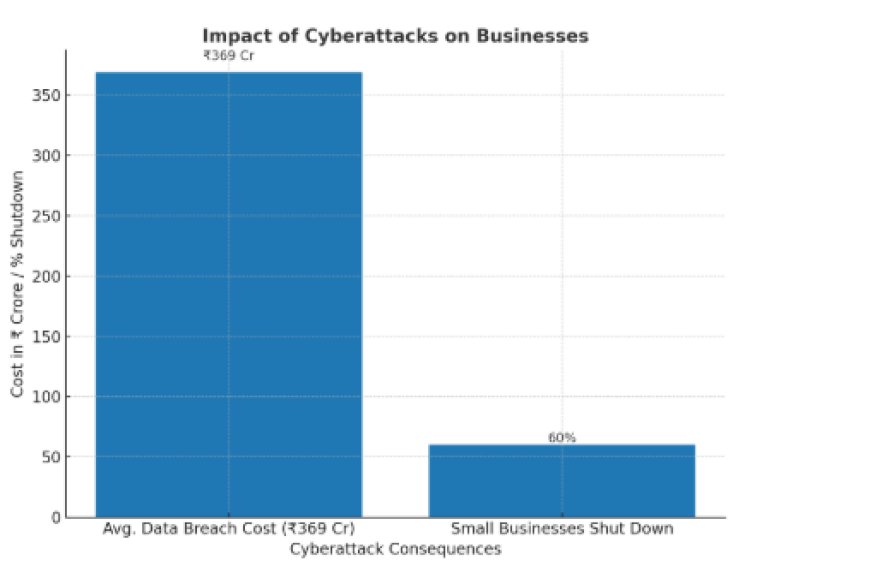
The average cost of a single data breach is around ₹369 crore globally. For many organizations, such a loss is not just financial, it also damages trust, brand value, and long-term stability. Studies further reveal that nearly 60% of small businesses shut down within six months of facing a major cyberattack. This shows how important strong Software Cyber Security is for every business, no matter its size.
In 2020, BigBasket, one of India’s largest online grocery platforms, faced a major cyberattack. Hackers exploited weaknesses in the company’s software security and gained access to a database containing the personal information of nearly 20 million users. This included names, email IDs, phone numbers, order details, and hashed passwords.
The stolen data was later put up for sale on the dark web, raising huge risks for customers. While BigBasket had to strengthen its cyber defenses after the incident, the breach served as a wake-up call for many Indian businesses.
The case proved that no matter how big or trusted a company is, weak Software Cyber Security can quickly expose millions of users to danger, and cause serious financial and reputational loss for the business.
What Is Software Cyber Security?
Software Cyber Security is the practice of protecting applications, platforms, and business software from cyberattacks. Unlike traditional network security, which focuses on firewalls and hardware, Software Cyber Security defends the code, systems, and digital tools businesses rely on daily.
It includes measures such as:
-
Secure coding practices to prevent vulnerabilities.
-
Regular patch management to fix known issues.
-
Application firewalls and endpoint monitoring for real-time protection.
-
Threat detection and response tools that proactively stop hackers.
Why Businesses Need Software Cyber Security
While these digital systems bring efficiency, they also open new doors for cybercriminals. This is where Software Cyber Security becomes essential.
-
Protection from Data Breaches
Cyber attackers often exploit software vulnerabilities to gain unauthorized access to sensitive data. With proper security measures in place, businesses can minimize risks of data theft and financial loss.
-
Safeguarding Customer Trust
Customers expect their personal and financial data to be safe. A single breach can damage years of trust, leading to lost sales and reputational harm. Investing in Software Cyber Security helps demonstrate a commitment to protecting clients.
-
Compliance with Regulations
Laws like GDPR, HIPAA, and India’s Digital Personal Data Protection Act require organizations to secure digital systems. Failing to adopt strong software security can lead to heavy fines and legal issues.
-
Business Continuity
Cyberattacks don’t just steal data, they can halt operations. Ransomware and malware attacks may shut down software systems for days or even weeks. Proactive Software Cyber Security ensures that businesses keep running smoothly.
-
Cost Savings
Preventing attacks through proper security is far less expensive than dealing with the aftermath of a breach.
Top Threats That Target Business Software
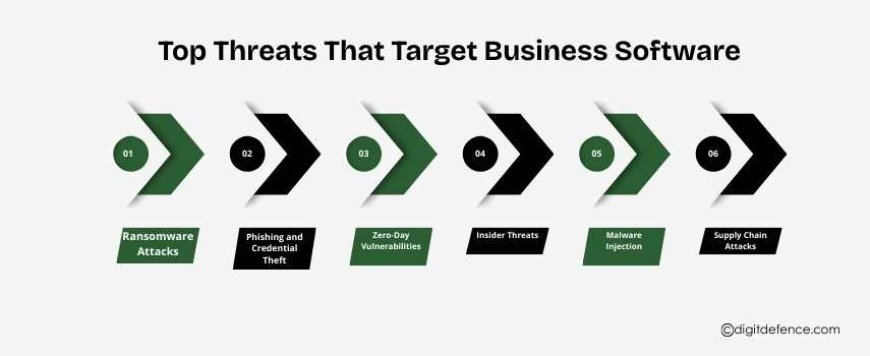 Here are the major risks that Software Cyber Security must address:
-
Ransomware Attacks
Hackers encrypt business-critical software and demand payment to restore access. Many organizations either lose data permanently or pay huge sums, affecting their financial stability.
-
Phishing and Credential Theft
Attackers trick employees into revealing login details for business applications. Once inside, they can access sensitive financial records, customer information, or intellectual property.
-
Zero-Day Vulnerabilities
Cybercriminals exploit newly discovered flaws in software before developers release patches. These attacks often bypass traditional defenses, making them extremely dangerous.
-
Insider Threats
Not all threats come from outsiders. Disgruntled employees or careless insiders may misuse access privileges, exposing business software to risks.
-
Malware Injection
Malicious code can be inserted into software through unsafe downloads, third-party plugins, or compromised updates. Once active, it can steal data or spy on company activity.
-
Supply Chain Attacks
Attackers target software vendors or service providers to gain access to multiple businesses at once. The SolarWinds incident is a prime example of how dangerous this type of attack can be.
How Software Cyber Security Prevents Breaches
Here’s how it works:
-
Proactive Vulnerability Management
Software cyber security tools continuously scan applications for weaknesses. By identifying outdated versions, missing patches, or misconfigurations, companies can close the doors that hackers usually exploit.
-
Advanced Threat Detection
Modern systems use AI and behavioral analytics to spot unusual activity, such as unauthorized logins or data transfers. This allows businesses to detect a breach attempt early, before critical assets are compromised.
-
Encryption of Sensitive Data
By encrypting data at rest and in transit, even if hackers gain access, they cannot read or misuse the information. This protects customer records, financial data, and intellectual property.
-
Access Control and Authentication
Multi-factor authentication (MFA) and role-based access ensure only the right people have access to sensitive software. Even if credentials are stolen, attackers cannot easily break in.
-
Incident Response Automation
Software cyber security platforms integrate automated workflows to contain threats, blocking suspicious IPs, isolating infected systems, and notifying IT teams instantly. This rapid response minimizes damage.
Best Practices to Strengthen Software Cyber Security
Below are proven best practices every organization should adopt:
1. Keep Software Updated and Patched
Outdated software is one of the easiest ways hackers break in. Regularly update applications, operating systems, and plugins. Enable automated patching wherever possible to eliminate vulnerabilities before they’re exploited.
2. Implement Strong Access Controls
Not every employee needs access to every system. Adopt the principle of least privilege, giving staff only the access required for their role. Combine this with multi-factor authentication (MFA) to block unauthorized logins.
3. Encrypt Data Everywhere
Whether it’s customer records, financial transactions, or internal documents, encrypt sensitive data both
4. Train Employees Against Phishing
Human error remains a top cause of breaches. Regular training helps employees recognize phishing emails, suspicious attachments, and social engineering tactics. A vigilant workforce is a strong first line of defense.
5. Monitor and Audit Continuously
Deploy monitoring tools that provide real-time visibility into system activity. Security logs and audits help detect anomalies early and provide forensic insights after incidents.
The Future of Software Cyber Security in Business
The future of Software Cyber Security will be shaped by advanced technologies and proactive strategies designed to outsmart increasingly sophisticated attackers.
-
AI-Driven Threat Detection
Artificial Intelligence (AI) and Machine Learning (ML) are transforming how companies detect and respond to cyberattacks. Instead of waiting for a known threat signature, AI systems can recognize suspicious behavior patterns in real time, helping businesses stop breaches before they escalate.
-
Zero Trust Architecture
The traditional "trust but verify" model is being replaced with a "never trust, always verify" approach. Zero Trust ensures that every user, device, and software access request is continuously authenticated, reducing insider threats and external breaches.
-
Post-Quantum Cryptography
With the rise of quantum computing, today’s encryption standards could soon be broken. Businesses will increasingly adopt post-quantum cryptography to safeguard sensitive data against future quantum-powered cyberattacks.
-
Cloud-Native Security
As more organizations migrate operations to the cloud, securing SaaS applications and hybrid environments will be a top priority. Cloud-native Software cybersecurity tools will provide continuous visibility, compliance, and faster incident response.
-
Automated SOAR (Security Orchestration, Automation, and Response)
Businesses will lean on automation to handle repetitive security tasks, investigate alerts faster, and orchestrate coordinated responses, reducing the workload on security teams while improving accuracy.
Today, every business, big or small, can be a target for cybercriminals. Even one attack can cost a lot of money, harm your reputation, and break the trust of your customers. This is why Software Cyber Security is not optional anymore, it is a must-have for keeping your business safe.
By using the right tools, taking smart steps, and staying alert to new risks, businesses can protect their valuable data and keep growing without fear. The real question is not if you should invest in cybersecurity, but if you can afford the damage of not doing it.
Protect your business before it’s too late. Reach out to our experts at [email protected] and keep your company safe from future attacks.