
Why Businesses Must Fix Cloud Security Issues
Unsecured cloud? One breach can cost millions. Learn why businesses must fix cloud security issues before it's too late protect your data now.

Is your business truly safe in the cloud, or are unseen threats putting your operations at risk?
Are cloud vulnerabilities quietly draining your revenue and trust without your notice?
Today, cloud environments handle everything from internal communications to customer data. However, cloud computing security issues remain one of the biggest risks for modern businesses.
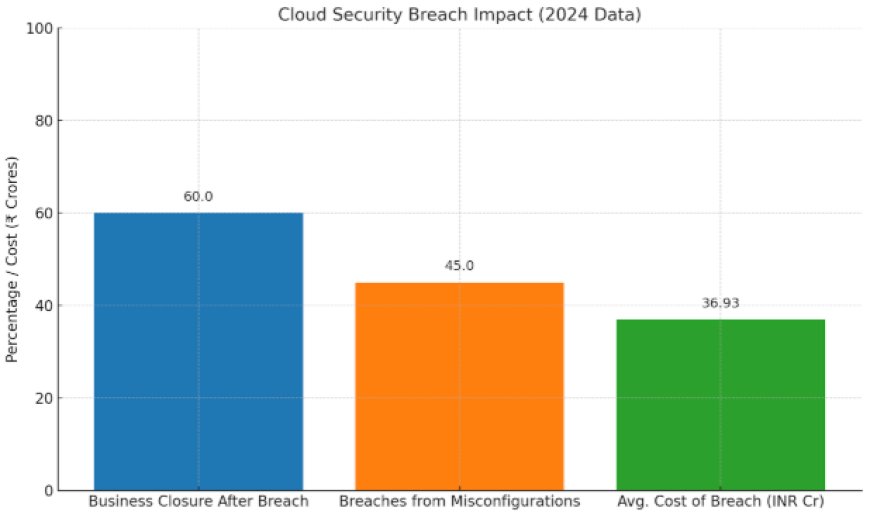
According to Gartner, 60% of organizations that experience a cloud data breach will go out of business within six months. Additionally, over 45% of data breaches in 2024 originated from cloud misconfigurations, and a report by IBM revealed that the average cost of a cloud-related breach reached ₹36.93 last year.
Facebook (now Meta) experienced a massive data exposure incident linked to its cloud storage practices. Two third-party app developers left over 540 million user records publicly accessible on Amazon Web Services (AWS) due to misconfigured cloud storage buckets. The data included account names, user IDs, and engagement metrics, posing serious privacy and compliance risks.
Though the data wasn’t breached through a hack, the lack of proper cloud security controls became a major concern. The incident sparked global criticism, regulatory scrutiny, and once again emphasized how even tech giants can fall victim to cloud computing security issues when governance and oversight are lacking.
This case serves as a strong reminder that, regardless of size or industry, no business is immune to the consequences of weak cloud security practices.
Understanding Cloud Computing Security Issues
Cloud computing allows businesses to scale quickly, cut infrastructure costs, and stay agile, but it’s not without risks. Cloud computing security issues include misconfigurations, lack of visibility, data breaches, unauthorized access, insecure APIs, and inadequate compliance practices.
These aren’t just technical problems; they’re business threats. Each unresolved vulnerability can:
-
Disrupt operations
-
Expose customer and company data
-
Trigger legal liabilities
-
Damage brand reputation
-
Lead to financial losses
Common Cloud Security Issues Businesses Face:
-
Misconfigured Cloud Settings
-
Weak Identity and Access Management (IAM)
-
Unencrypted Sensitive Data
-
Insecure APIs and Interfaces
-
Shadow IT and Unmanaged Resources
-
Non-compliance with Industry Regulations (GDPR, HIPAA, etc.)
Why Businesses Must Act Now
Delaying action on cloud computing security issues is like ignoring a leak in your company’s foundation it worsens with time and silently erodes business value.
1. Data Protection = Customer Trust
Customers expect their data to be handled securely. A single breach can destroy years of trust. Businesses that proactively fix cloud vulnerabilities position themselves as responsible, compliant, and secure, leading to stronger customer loyalty and retention.
2. Compliance is Non-Negotiable
From GDPR to ISO 27001, regulators demand strict adherence to data privacy standards. Non-compliance due to cloud computing security issues can lead to multi-million-dollar penalties, audits, and a tarnished brand image.
3. Downtime is Costly
Security breaches often cause unexpected downtime. For enterprises, every minute of service interruption can cost thousands of dollars. Proactively addressing cloud risks reduces the chance of outages and improves business continuity.
4. Cyber Insurance May Not Cover Everything
Many insurers are tightening policies related to cloud incidents. If your business fails to implement best security practices, your policy might not cover the full damages. Fixing cloud computing security issues is not just about prevention; it’s about mitigating financial risk.
Best Practices to Fix Cloud Computing Security Issues
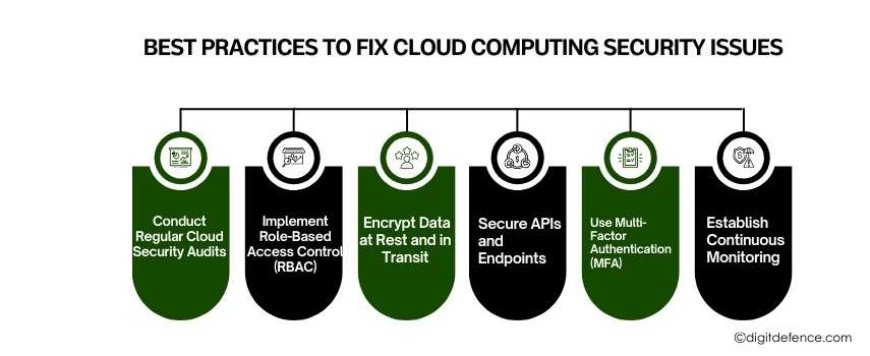
To build a secure, resilient cloud environment, businesses must adopt a layered, proactive approach. Here’s how:
1. Conduct Regular Cloud Security Audits
Identify existing vulnerabilities and misconfigurations. Use tools like AWS Trusted Advisor, Microsoft Secure Score, or third-party VAPT (Vulnerability Assessment & Penetration Testing) services to assess risk.
2. Implement Role-Based Access Control (RBAC)
Ensure users only have access to the resources necessary for their role. Overprivileged accounts are a major gateway for breaches.
3. Encrypt Data at Rest and in Transit
Unencrypted data is an easy target. Implement encryption standards across your cloud infrastructure to protect sensitive information.
4. Secure APIs and Endpoints
Many breaches start with insecure APIs. Apply rate limits, use API gateways, and require authentication tokens for access.
5. Use Multi-Factor Authentication (MFA)
Passwords alone aren’t enough. MFA adds an extra layer of protection and prevents unauthorized access to your cloud resources.
6. Establish Continuous Monitoring
Use tools like SIEM (Security Information and Event Management) and Cloud Workload Protection Platforms (CWPPs) to detect and respond to threats in real time.
Business Benefits of Fixing Cloud Security Issues
Addressing cloud computing security issues doesn’t just protect your infrastructure, it actively improves your business operations and market position.
1. Strengthened Brand Reputation
A business known for protecting its clients’ data earns trust, loyalty, and word-of-mouth referrals.
2. Improved Operational Efficiency
Fixing security gaps reduces the need for crisis management, freeing up resources for innovation and growth.
3. Competitive Edge
With security being a key differentiator, especially in industries like fintech, healthcare, and SaaS, strong cloud security gives your brand a powerful advantage.
4. Reduced Financial Risk
Lower the risk of regulatory fines, legal issues, and costly downtimes all by proactively managing cloud security.
Tools That Help Fix Cloud Security Issues
Here are some essential tools and platforms that businesses can integrate into their cloud computing security strategy:
|
Tool |
Purpose |
|
AWS Trusted Advisor |
Detect misconfigurations and suggest fixes |
|
Microsoft Defender for Cloud |
Monitor security across Azure services |
|
Google Security Command Center |
Real-time threat detection in GCP |
|
Palo Alto Prisma Cloud |
Comprehensive cloud security platform |
|
CrowdStrike Falcon |
Endpoint and workload protection |
|
Tenable.io |
Vulnerability management for cloud assets |
When Should You Fix Cloud Security Issues?
The short answer: now.
Whether you’re migrating to the cloud or already operating in a hybrid environment, the longer you wait, the more exposed your business becomes. Even small vulnerabilities can be exploited in minutes.
Signs You Need Immediate Action:
-
Using default security configurations
-
Lack of visibility into cloud activity
-
Unclear roles and access permissions
-
No backup or disaster recovery plan
-
Failing recent compliance audits
Cloud adoption continues to rise, but so do threats. Cloud computing security issues are not just IT problems; they’re business-critical risks. The longer they remain unaddressed, the more damage they can cause in terms of revenue, trust, and compliance.
Fixing cloud vulnerabilities should be a top priority for business owners and decision-makers. It ensures that your operations run smoothly, your customers feel safe, and your brand stands strong.
Need Help Securing Your Cloud Infrastructure? Contact us at [email protected] to schedule a consultation and secure your cloud the smart way.