
Your Cloud Could Be Your Biggest Weakness - Here’s Why
Discover how hidden vulnerabilities in your cloud setup can expose sensitive data and learn ways to strengthen your cloud security effectively.

When Convenience Becomes a Risk
You log in.
Your files, data, and applications - all accessible from anywhere in the world. Cloud computing feels like magic, doesn’t it?
But what if this very convenience - this invisible power that runs your business - could turn against you?
The truth is, while the cloud has revolutionized how we store and share data, it has also opened up a new frontier of danger. And the worst part? Many businesses don’t even realize it - until it’s too late.
The truth is, the problems with cloud computing security are not just technical. They are business problems that can damage reputation, cost huge money, and break customer trust overnight.
This is why every business, small or large, needs to understand the risks before it’s too late.
The Illusion of Cloud Safety
Most organizations believe that if data is in the cloud, it’s safe. After all, big providers like AWS, Google Cloud, or Microsoft Azure have strong defences, right?
Yes — but only partly.
Here’s what many business leaders don’t realize: cloud security is a shared responsibility.
The provider secures the infrastructure. But you are responsible for securing your data, applications, and user access.
This is where many problems with cloud computing security begin.
Businesses assume everything is handled - but hackers know that gaps always exist.
A simple misconfiguration, a weak password, or an overlooked setting can expose gigabytes of sensitive data to the public.
Remember the 2019 Capital One breach?
A single misconfigured cloud storage bucket led to over 100 million customer records being exposed. One oversight cost them ₹672 crore in fines - and immeasurable damage to brand trust.
So, the question isn’t whether the cloud is safe.
It’s whether your security practices are.
The Human Factor: The Real Weak Link
Let’s face it -the biggest problems with cloud computing security aren’t caused by technology alone.
They’re caused by people.
A well-meaning employee shares a confidential link on email.
A manager uploads sensitive data to an unsecured cloud folder.
A developer forgets to remove access keys from a public repository.
One small mistake - and your business could face a massive data leak.
In 2023 alone, over 80% of cloud data breaches were linked to human error.
Even the best firewalls and encryption can’t protect against carelessness.
Cybercriminals know this - and they exploit it. They don’t just attack systems, they manipulate habits. They count on your team’s rush, assumptions, and distractions to make their move.
That’s why the smartest companies don’t just buy cloud security tools - they build a culture of awareness.
The Hidden Risks No One Talks About
Not all cloud threats are loud and obvious.
Some creep in silently, leaving traces that only become visible once the damage is done.
Here are a few hidden problems with cloud computing security that every business should know:
1. Shadow IT
When employees use unapproved cloud apps - like file-sharing platforms or personal email without telling IT, they create “shadow” systems outside your security control.
Hackers love these because they’re easy entry points.
2. Weak Access Controls
Giving too many users unrestricted access increases your exposure. Without proper identity management, one compromised account can unlock everything.
3. Insecure APIs
Cloud platforms rely on APIs to communicate between systems. If those APIs aren’t secured properly, attackers can exploit them to steal data or hijack applications.
4. Data Residency Issues
Where your data lives matters. Storing it across multiple countries can create legal and compliance risks especially under laws like GDPR.
5. Shared Resources
Cloud environments often host multiple organizations on shared servers. If one tenant gets compromised, others can be affected too.
Each of these is part of the growing web of problems with cloud computing security that too many organizations ignore - until they become the next headline.
Real-World Wake-Up Call: The Dropbox Incident
Here’s a story that proves even tech giants aren’t immune.
In 2022, Dropbox, one of the most trusted cloud platforms, fell victim to a phishing attack.
Hackers tricked employees into revealing credentials through a fake login page.
The result? Access to 130 GitHub repositories, containing critical code, internal tools, and API keys.
Despite having layers of security, a single point of human error exposed the entire operation.
This incident shook the industry because it wasn’t about a weak system - it was about misplaced trust. And it reminded everyone that the problems with cloud computing security can strike anyone, at any level.
Why Most Businesses Stay Unprepared
So why, despite endless warnings, do so many companies remain vulnerable?
The answer is simple: convenience.
Cloud systems are fast, flexible, and affordable. Security often feels like an inconvenience - something that slows down productivity.
But every time security takes a back seat, the risk multiplies.
Most small and medium businesses assume hackers won’t target them - but statistics show otherwise.
Nearly 43% of all cyberattacks target small businesses, many using cloud platforms without strong safeguards.
Hackers don’t discriminate. They go after whoever leaves the door open longest.
If you haven’t reviewed your security settings recently, your company might already be at risk - you just don’t know it yet.
How to Strengthen Your Cloud Before It’s Too Late
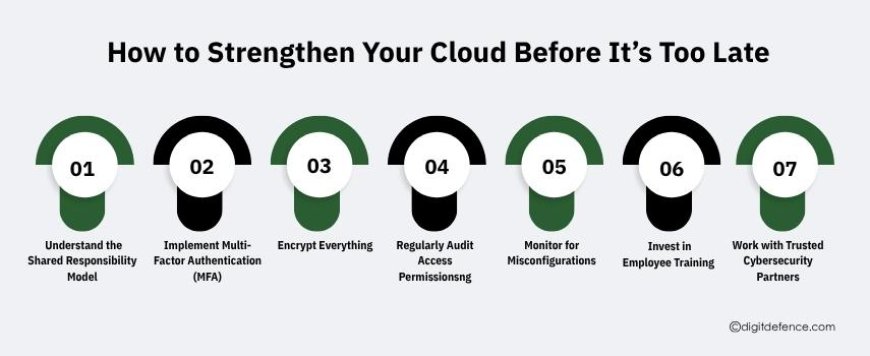
The good news?
You can reduce problems with cloud computing security drastically by taking proactive steps - today.
1. Understand the Shared Responsibility Model
Know exactly what your cloud provider covers - and what you’re responsible for.
Most breaches happen because users assume “the provider handles everything.”
2. Implement Multi-Factor Authentication (MFA)
Add an extra layer of protection. Even if a hacker gets your password, they can’t log in without the second factor.
3. Encrypt Everything
Ensure all sensitive data is encrypted - both while stored and when transmitted.
4. Regularly Audit Access Permissions
Review who has access to what. Remove unnecessary permissions and enforce role-based access.
5. Monitor for Misconfigurations
Use tools that automatically detect and fix security gaps in your cloud setup.
Many of the biggest data breaches could’ve been avoided with simple configuration checks.
6. Invest in Employee Training
Technology alone can’t solve the problems with cloud computing security.
Train your staff to recognize phishing emails, suspicious links, and safe sharing practices.
7. Work with Trusted Cybersecurity Partners
Collaborate with experts who understand both cloud infrastructure and changing threats. The right partner can help you build strong, adaptive protection.
The Cost of Waiting
Every business believes they have time - until the attack hits.
Here’s the reality:
The average time to detect a cloud breach is more than 200 days.
By then, attackers have already stolen data, planted backdoors, and sold your information on the dark web.
While your competitors are tightening their defences, can you really afford to stand still?
Because when it comes to problems with cloud computing security, delay equals damage.
The Future of Cloud Security: Smarter, Stronger, and Predictive
We’re entering an era where cloud defence is powered by AI, automation, and analytics.
Top security solutions now predict risks before they happen - learning from every attempted breach to stay one step ahead.
But even the smartest systems need human insight and continuous adaptation.
No company can just “set and forget” security anymore.
True resilience means combining technology, training, and trust - every single day.
Don’t Let the Cloud Become Your Storm
The cloud is one of the greatest innovations of our time. It’s scalable, efficient, and transformative.
But like every powerful tool, it comes with responsibility.
Ignoring the problems with cloud computing security is like driving a sports car without brakes, thrilling at first, but devastating in the end.
So before the next phishing email lands, before the next misconfiguration slips through, ask yourself:
Is your cloud a safe haven - or a silent risk waiting to erupt?
Secure it now.
Train your people.
Partner with the right experts.
Because in a world where data is everything, protecting it isn’t optional - it’s survival.
Your cloud should empower your business, not endanger it.
Make sure it stays that way.