Top Cyber Threat Intelligence Tools for Business
Stay ahead of cyber threats! Discover top cyber threat intelligence tools that protect your business and boost your security. Start securing today!
Are you sure your business is prepared to identify and respond to the latest cyber threats?
Do you even know what tools are available to help you identify and respond to threats before compromising your systems? Cyberattacks are becoming increasingly advanced and common, so putting dollars into the right cyber threat intelligence tools will protect your organization's digital assets.
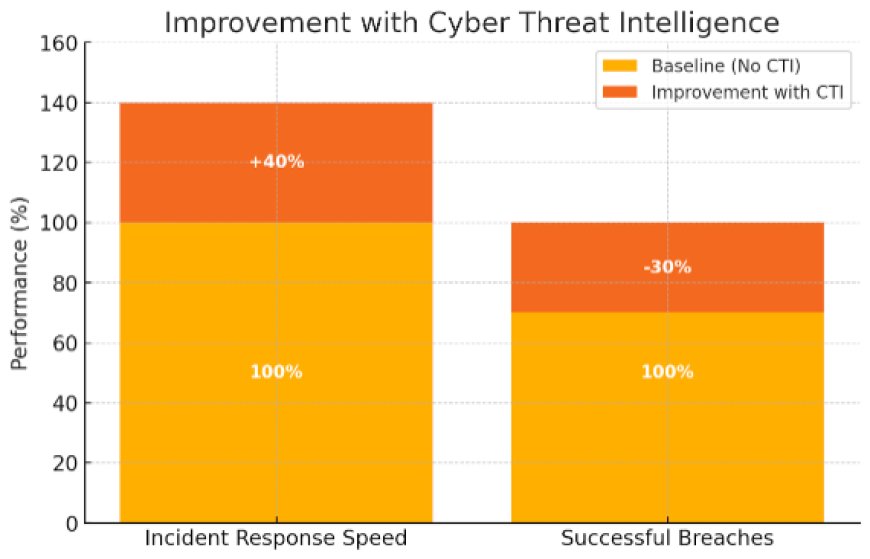
According to recent research, currently more than 68% of companies have reported a cyberattack incident in the past year, and the worldwide total damages associated with cybercrime are estimated to reach ₹8.61 lakh crore by 2025. Of those companies using cyber threat intelligence tooling, on average, they reported a 40% faster ability to respond to incidents and 30% fewer successful breaches when compared to companies not using these tools. These numbers underscore the incredible benefits of harnessing cyber threat intelligence as a component of your security posture.
IBM employs its X-Force Exchange ecosystem to monitor a massive corpus of threat data on a global scale. In 2022, IBM established a developing phishing campaign targeting financial institutions through early alerts and progressive analysis. With timely threat intelligence shared with the impacted organizations, IBM was able to help lessen the attack and save those same organizations millions in potential losses.
This example demonstrates how useful cyber threat intelligence tools can be when effectively used. The tools can give companies essential early warnings and coordinated responses to active threats.
What Are Cyber Threat Intelligence Tools?
Cyber threat intelligence tools are specialized software solutions designed to gather, analyze, and present information about potential or existing cyber threats. These tools help businesses anticipate attacks, understand attacker behaviors, and improve overall security posture by providing actionable insights.
They typically collect data from various sources such as dark web monitoring, malware analysis, phishing campaigns, and vulnerability databases. This information empowers security teams to prioritize risks, strengthen defenses, and respond faster to threats.
Key Features of Effective Cyber Threat Intelligence Tools
1. Real-Time Threat Detection
Advanced tools offer continuous monitoring and instant alerts about suspicious activities, enabling rapid identification of cyber threats before they escalate.
2. Threat Analysis and Correlation
By analyzing patterns and correlating data from multiple sources, these tools provide context-rich intelligence that helps differentiate between false alarms and genuine risks.
3. Integration with Security Ecosystem
Effective tools seamlessly integrate with other security solutions like SIEM (Security Information and Event Management), firewalls, and endpoint protection platforms to automate threat response.
4. Automated Reporting and Visualization
Dashboards and reports provide clear visualizations of threat landscapes, trends, and incidents, aiding in decision-making and compliance reporting.
5. Customizable Intelligence Feeds
Businesses can tailor threat feeds based on industry, geography, or specific vulnerabilities relevant to their operations.
Top Cyber Threat Intelligence Tools for Businesses
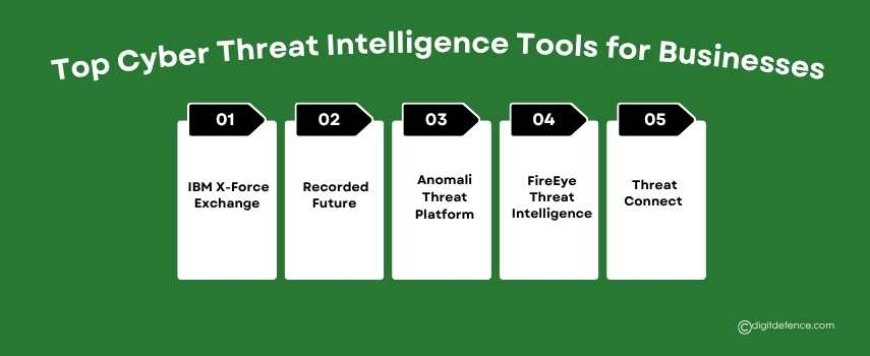
1. IBM X-Force Exchange
IBM’s X-Force Exchange is a collaborative threat intelligence platform that aggregates data from IBM’s extensive security research. It offers real-time threat feeds, advanced analytics, and integration with IBM Security tools, making it a powerful choice for enterprises.
2. Recorded Future
Recorded Future combines machine learning and expert analysis to deliver real-time threat intelligence. Its platform covers everything from vulnerability disclosures to threat actor profiling, supporting proactive defense strategies.
3. Anomali Threat Platform
Anomali provides automated threat detection and threat intelligence management. It offers deep integration with existing security tools and helps businesses prioritize threats with actionable insights.
4. FireEye Threat Intelligence
FireEye’s platform offers in-depth analysis of cyber threats using data from global incident response teams. It is renowned for uncovering sophisticated threat actors and providing strategic intelligence.
5. ThreatConnect
ThreatConnect enables organizations to aggregate and analyze threat data, collaborate across teams, and automate workflows. Its flexibility makes it suitable for businesses of all sizes.
How to Choose the Right Cyber Threat Intelligence Tools
-
Assess Your Needs: Determine your business size, industry risks, and existing security infrastructure.
-
Integration Capability: Ensure the tool can work seamlessly with your current security systems.
-
Threat Coverage: Choose platforms that offer intelligence relevant to your sector and geography.
-
User-Friendly Interface: Opt for tools with clear dashboards and actionable insights.
-
Scalability: Select solutions that can grow with your business and evolving threats.
-
Support and Training: Consider vendors that offer comprehensive support and training resources.
In today’s volatile environment, deploying the right cyber threat intelligence tools is vital for businesses seeking to defend against advanced cyber threats. These tools not only enhance detection and response but also empower organizations with the knowledge to proactively secure their digital environments.
Ready to boost your cybersecurity? Contact [email protected] to partner with experts and get the best threat intelligence tools for your business!