How Security Software Protects Online Payments
Learn how security software keeps online payments safe, prevents fraud, protects customer data, and ensures smooth, secure transactions for businesses.

Today, most businesses depend on online payments. Whether selling products, offering services, or running e-commerce stores, digital payments are now the heart of business
But with this growth comes danger. Hackers target online transactions to steal card numbers, passwords, and personal data. For companies, this can cause money loss, customer mistrust, and even legal trouble.
The solution? Security software. Modern security tools do more than block viruses. They protect payment data, customer accounts, and business systems. Strong security is not just about safety, it is about keeping business running and growing with confidence.
ShopEasy, a growing e-commerce store, handled thousands of transactions daily. The company offered electronics and lifestyle products to customers across India. As the business expanded, ShopEasy realized that online payments were becoming a major target for cybercriminals
ShopEasy faced several challenges. First, hackers attempted to steal credit card information using phishing emails and fake websites. Second, the company experienced occasional chargebacks from fraudulent transactions, causing financial loss.
ShopEasy partnered with a professional cyber security company to implement strong security software. The solution included encryption of all payment data, tokenization to replace real card details with secure tokens, and multi-factor authentication for customer accounts.
Understanding Security Software
Security software is a type of computer program designed to protect computers, networks, and online systems from cyber threats. It works to keep data safe, prevent unauthorized access, and stop attacks that could harm businesses or individuals.
For businesses, security software safeguards sensitive information such as customer payment details, employee records, and company financial data. It can prevent hacking, phishing attacks, ransomware, and other types of malware that can disrupt operations or cause financial loss.
Why Online Payment Security Matters for Businesses
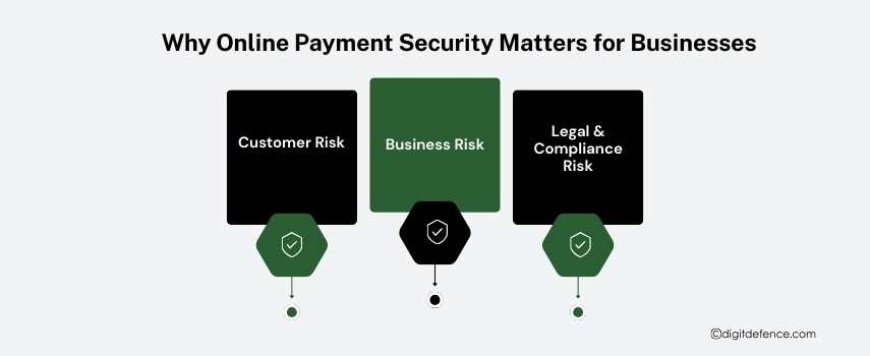
Online payments are now a core part of every business, from e-commerce stores to subscription services. Every transaction involves sensitive information such as customer names, credit card numbers, bank account details, and login credentials. If this data is not properly protected, businesses face serious consequences.
1. Customer Risk
Customers trust businesses to keep their financial and personal information safe. Without proper security measures, hackers can steal:
-
Credit card numbers and banking information
-
Login credentials for customer accounts
-
Personal details like addresses and phone numbers
Impact on Business:
A single breach can destroy customer trust. Shoppers may stop buying from your website, leave negative reviews, and spread bad word-of-mouth. In the long run, this can reduce repeat purchases and damage your brand reputation.
2. Business Risk
Cyber attacks directly affect a company’s finances. Online payment fraud can lead to:
-
Chargebacks – When customers dispute fraudulent transactions, businesses lose both the money and the product sold.
-
Financial loss – Hackers can steal funds directly or manipulate transactions.
-
Operational disruption – Malware, ransomware, or DDoS attacks can temporarily shut down online stores or payment systems.
Impact on Business:
Even small businesses can face huge losses. For example, studies show that 60% of small businesses close within six months of a major cyberattack.
3. Legal & Compliance Risk
Many regions require businesses to follow strict rules to protect customer data:
-
PCI DSS – Payment Card Industry Data Security Standard for handling credit card data.
-
GDPR – General Data Protection Regulation in the EU for personal data.
-
CCPA – California Consumer Privacy Act protects consumer information.
If you don't follow the rules, you could face big penalties, lawsuits, and police investigations.
How Security Software Protects Online Payments
Online payments involve sensitive information like credit card numbers, bank details, and personal data. Security software protects these transactions at every step, ensuring that both businesses and customers remain safe.
-
Encryption – Security software scrambles payment information during transfer, so even if hackers intercept it, the data cannot be read or misused.
-
Tokenization – Real card details are replaced with random codes (tokens). If a hacker gets access, the stolen token is useless.
-
Fraud Detection – Many security programs use real-time monitoring to spot unusual transactions, such as sudden high-value purchases or logins from unknown locations.
-
Multi-Factor Authentication (MFA) – Adding an extra verification step, like a one-time code or fingerprint, prevents unauthorized access even if a password is stolen.
-
Malware and Phishing Protection – Cyber System blocks harmful websites, malicious links, and phishing emails that try to steal payment information.
-
Secure Payment Gateways – It ensures payment platforms are safe by using firewalls, secure APIs, and compliance with global payment standards like PCI DSS.
Benefits of Strong Payment Security for Business
Using strong security for online payments helps businesses in many ways. It not only stops fraud but also builds trust and helps your business grow.
1. Customer Trust
When customers know their payment details are safe, they feel confident to buy from you. Safe websites, secure checkout, and trusted payment gateways make customers return again and again.
2. Less Money Lost to Fraud
Good security stops fraud like stolen card details, fake transactions, and chargebacks. This saves money and avoids problems that come from fraud.
3. Follow the Rules
Laws like PCI DSS, GDPR, or CCPA require businesses to protect customer data. Strong security helps your business follow these rules and avoid fines or legal trouble.
4. Stay Ahead of Competitors
Customers prefer websites that are safe. Businesses with secure payments attract more buyers than those that don’t show strong security.
5. Help Your Business Grow
Safe payment systems make buying easy and worry-free. Happy customers buy more, leave good reviews, and tell others about your business. This leads to more sales and long-term growth.
Can security software protect online payments for your business?
Yes. Strong payment security helps prevent fraud, keeps customer data safe, and ensures smooth online transactions. Using encryption, tokenization, and monitoring tools makes payments more secure and builds customer trust.
Investing in security software and working with a trusted cyber security company helps businesses avoid financial loss, stay compliant with regulations, and maintain a strong reputation.
Connect with our Experts to Protect Your Online Payments and Keep Your Business Safe.