Spoofing vs Phishing: Protect Your Data Now
Understand the difference between phishing and spoofing, and learn simple steps to protect your business data from cyber threats and hackers.

Are you at risk of phishing and spoofing attacks?
With the best cybersecurity services, you can keep your customers' trust, preserve sensitive data, and avoid losing money.
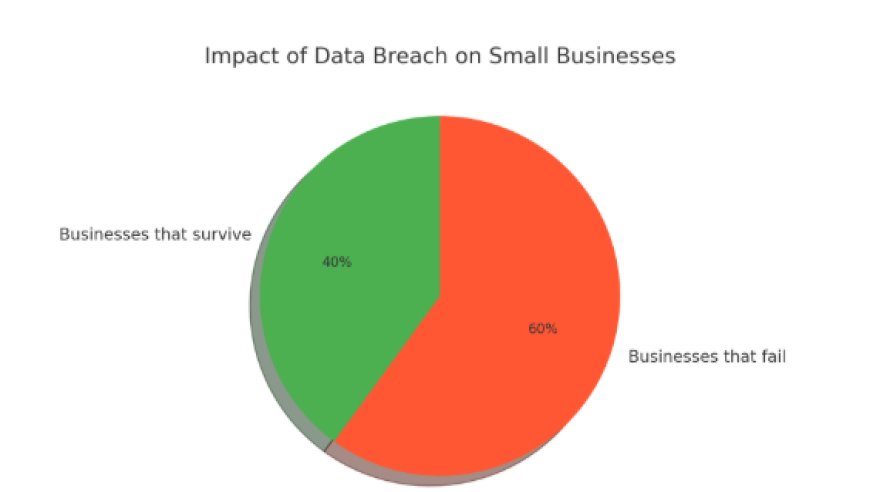
About 60% of small businesses go out of business within six months following a significant data breach. This shows how important it is to protect your systems from phishing and spoofing.
What Is Phishing?
Phishing is a cyber attack where criminals trick you into sharing sensitive information like passwords, bank details, or credit card numbers. They usually send fake emails, texts, or messages that look real.
Example of Phishing
-
You get an email that looks like it’s from PayPal saying, “Your account has been locked. Click here to verify.”
-
The link takes you to a fake site that looks just like PayPal’s login page.
-
Once you enter your username and password, the attackers steal your credentials
What Is Spoofing?
Spoofing is when attackers disguise themselves as a trusted source. Instead of directly asking for your data, they pretend to be someone else to bypass your defenses.
Example of Spoofing
Imagine you get an email that looks like it’s from your CEO:
“Hi, can you urgently send me the client files? I need them for a meeting.”
The email shows your CEO’s name, but the actual sender’s address is fake. If you don’t check carefully, you might share sensitive data with a hacker.
Spoofing vs Phishing: Key Differences
At first, spoofing and phishing may look the same because both are tricks used by cybercriminals. But they are not the same.
-
Spoofing means pretending to be someone you trust. The attacker hides their real identity and uses a fake email, phone number, website, or profile to fool you. The main idea is to look real and gain your trust.
-
Phishing means stealing your personal details. The attacker tries to make you give away passwords, bank details, or other private information through fake links, messages, or forms.
Simple Example
Imagine a thief wearing a courier uniform. That is spoofing, they look trusted but are fake.
Now, if the thief asks you to “sign with your bank PIN,” that is phishing, they want your secret details.
|
Aspect |
Spoofing |
Phishing |
|
Meaning |
Pretending to be someone else. |
Tricking people into sharing private details. |
|
How it works |
Fake emails, websites, phone numbers, or IDs. |
Fake messages, links, or urgent requests. |
|
Purpose |
To look trusted and get inside. |
To steal money, data, or passwords. |
|
Relation |
Often comes first before phishing. |
It can happen with or without spoofing. |
|
Example |
Fake email that looks like it’s from your boss. |
Fake link asking you to log in to your bank. |
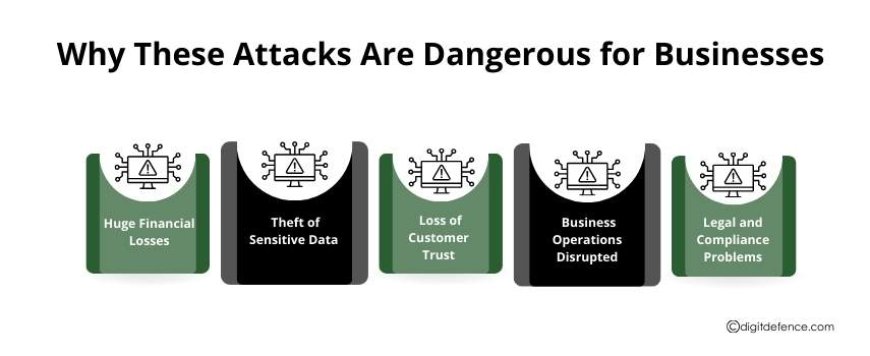
Spoofing and phishing are not just “small online tricks.” For businesses, they can turn into serious threats that affect money, customer trust, and long-term growth. Let’s look at why these attacks are dangerous:
1. Huge Financial Losses
When attackers trick employees or customers, they often target money. A single phishing email asking for banking details or payment updates can cost a business thousands or even millions.
2. Theft of Sensitive Data
Businesses store valuable data like customer records, employee details, and business strategies. Hackers who use spoofing or phishing can steal this data and sell it on the dark web. Once this data is gone, it’s almost impossible to fully recover, and it can be used for more fraud in the future.
3. Loss of Customer Trust
Customers trust businesses to keep their personal and financial information safe. If they hear that a company was hacked through spoofing or phishing, many stop doing business with them. Rebuilding this trust is difficult and often costs more than the actual cyberattack.
4. Business Operations Disrupted
A phishing email with a malicious link can install ransomware or other harmful software. This can lock important files, stop websites from running, or slow down internal systems. Even a few hours of downtime can result in missed deals, unhappy clients, and huge costs.
5. Legal and Compliance Problems
Today, many industries (like banking, healthcare, and e-commerce) must follow strict data protection laws such as GDPR or HIPAA. If a phishing or spoofing attack leads to leaked data, companies may face heavy fines, legal cases, or strict audits. This adds to the financial and reputational damage.
How to Protect Against Phishing and Spoofing
Phishing and spoofing attacks can be dangerous, but businesses and individuals can stay safe with the right steps. Here are some effective ways to protect yourself:
1. Use Strong Email Security
-
Install spam filters to block fake emails before they reach your inbox.
-
Look for email authentication methods like SPF, DKIM, and DMARC to confirm the sender is real.
2. Train Employees and Teams
-
Most attacks start when someone clicks a bad link or shares information.
-
Regular training helps staff recognize suspicious emails, fake websites, and urgent scam messages.
3. Always Verify Requests
-
Never trust emails that ask for money transfers, passwords, or personal details.
-
Call or message the person directly through official contacts to confirm the request.
4. Use Multi-Factor Authentication (MFA)
-
Even if attackers steal a password, MFA adds another security step (like OTP on your phone).
-
This makes it harder for hackers to enter accounts.
5. Keep Software Updated
-
Hackers often exploit old or weak systems.
-
Regular updates for operating systems, browsers, and apps can close security gaps.
6. Secure Your Network
-
Use firewalls, antivirus software, and strong Wi-Fi passwords.
-
Monitor network traffic to detect unusual activities, which may signal a spoofing attempt.
7. Report Suspicious Activity
-
If you spot a phishing email or spoofed call, report it to your IT team or service provider.
-
Quick reporting helps stop the attack from spreading.
Can spoofing and phishing really put your business at risk?
Yes. Both cyberattacks trick employees and customers, leading to stolen data, lost money, and damaged trust. Attackers use fake emails, websites, and urgent messages to mislead people and gain access to sensitive information.
Investing in Cyber Security Services helps businesses protect data, stop hackers, and keep operations safe. Working with a trusted cyber security agency makes it easier to stay ahead of threats and build customer confidence.
Connect with our Experts to Protect Your Business from Phishing and Spoofing Attacks.