How Risk Management in Cyber Security Strengthens Defense?
Explore how effective risk management in cybersecurity enhances organizational defense by identifying and addressing potential threats.

How well does your organization understand the cyber risks within its environment? What would be the impact if a cyber attack disrupted your operations or compromised sensitive information?
Many businesses underestimate the scope and consequences of cyber threats until faced with an incident. Without a structured approach to risk management, organizations risk financial loss, operational downtime, and damage to their reputation. Implementing robust risk management in cybersecurity enables early identification of vulnerabilities and proactive measures to mitigate potential harm.
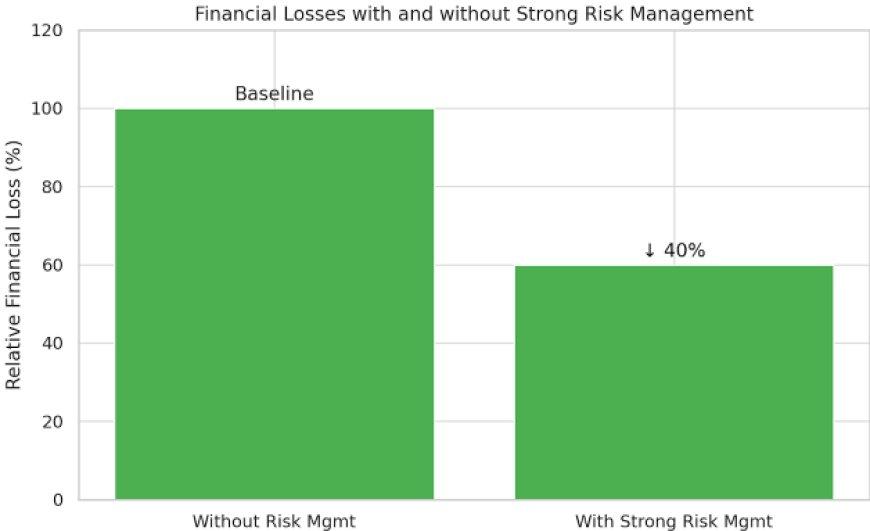
The Accenture Cost of Cybercrime Study reports that organizations with strong risk management reduce financial losses by up to 40%.
What is Risk Management in Cyber Security?
Risk management in cybersecurity is a systematic process used to identify potential threats to an organization’s systems, data, and operations. It involves evaluating the likelihood and potential impact of these threats and implementing strategies to minimize their effect. The objective is not to eliminate all risks, an unrealistic goal, but to reduce them to an acceptable level aligned with the organization's risk tolerance and business objectives. This proactive approach enables businesses to improve their defenses, respond effectively to incidents, and maintain continuity in the face of evolving cyber threats.
Why Is Risk Management in Cyber Security Important?
Every business, regardless of size or industry, faces a variety of cyber threats, ranging from malware and phishing attacks to accidental insider errors. Without effective risk management in cybersecurity, these threats can lead to costly data breaches, operational disruptions, and damage to an organization’s reputation.
For example, consider a company that handles customer payment information. If a phishing attack compromises employee credentials, sensitive financial data could be exposed, leading to financial losses and loss of customer trust. Proper risk management helps identify such vulnerabilities before they are exploited.
By managing risks proactively, companies can:
-
Protect important data: Safeguard sensitive information from unauthorized access or theft.
-
Avoid expensive downtime: Prevent disruptions that can halt business operations and lead to revenue loss.
-
Build trust with customers and partners: Demonstrate a commitment to security that reassures stakeholders.
-
Stay compliant with laws and industry regulations: Avoid penalties by meeting required security standards.
Early identification and management of risks enable organizations to allocate resources efficiently, prioritize critical threats, and significantly reduce the likelihood of a major security failure.
How Does Risk Management in Cyber Security Strengthen Defense?
Effective risk management strengthens defense in several ways:
-
Vulnerability Identification
Approach: Use advanced scanning tools and penetration testing to discover hidden weaknesses in your systems, networks, and applications. Early identification helps prevent attackers from exploiting these vulnerabilities.
-
Layered Security Controls
Approach: Implement multiple layers of defense, including firewalls, antivirus software, endpoint protection, and identity and access management. This multi-faceted approach reduces the risk that a single weakness can lead to data breaches.
-
Continuous Threat Monitoring
Approach: Employ real-time analytics and Security Information and Event Management (SIEM) systems to continuously monitor network traffic and system activities. This helps detect unusual behavior quickly and allows rapid response to potential threats.
-
Incident Response Planning
Approach: Develop a comprehensive incident response plan outlining roles, responsibilities, and procedures to follow when a security incident occurs. Regular testing and updates ensure the plan is effective and staff are prepared to act swiftly.
-
Risk Prioritization
Approach: Apply risk scoring models that consider both the likelihood of an event and its potential impact. This enables focused resource allocation toward the highest priority threats, maximizing security effectiveness.
-
Security Governance
Approach: Establish a governance framework that aligns IT security, compliance requirements, and executive leadership priorities. Cross-department collaboration fosters accountability and ensures security initiatives support business goals.
What Are the Main Steps in Risk Management in Cyber Security?
-
Risk Identification:
Begin by discovering potential risks within your IT environment, business processes, and technology infrastructure. This involves recognizing vulnerabilities, threats, and weak points that could impact your organization. -
Risk Assessment:
Evaluate the likelihood of each identified risk occurring and analyze the potential impact it could have on your business operations, finances, and reputation. This step helps prioritize which risks need immediate attention. -
Risk Mitigation:
Implement appropriate security measures to reduce identified risks. This can include deploying firewalls, encryption, access controls, software updates, and conducting employee training to minimize human error. -
Ongoing Review:
Risk management is a continuous process. Regularly monitor and reassess your security controls to adapt to emerging threats and changing business needs. Continuous improvement ensures your defenses remain effective over time.
By following these steps, organizations build a robust and proactive defense strategy that manages risks effectively rather than ignoring them.
Common Cyber Threats That Businesses Face
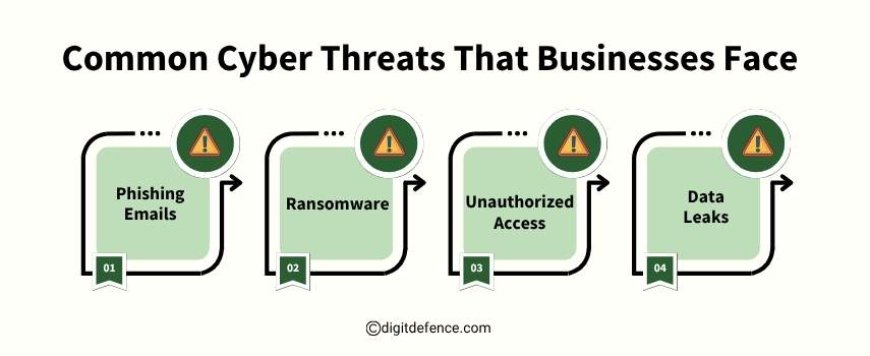
Understanding common threats helps in managing risks better. Some frequent cyber risks include:
-
Phishing Emails: Fake messages that trick employees into sharing passwords or clicking harmful links.
-
Ransomware: Malware that locks important data and demands payment to unlock it.
-
Unauthorized Access: Hackers or insiders accessing data without permission.
-
Data Leaks: Accidental or malicious exposure of sensitive information.
Being aware of these risks lets organizations prioritize their defenses effectively.
Best Practices to Improve Risk Management in Cyber Security
-
Align Risk Management with Business Goals:
Treat cyber risks as part of overall business risks to ensure security supports key priorities and resource allocation.
-
Identify Critical Assets and Processes:
Focus on protecting the most valuable data and essential business operations to maximize risk reduction.
-
Prioritize Risks by Impact and Likelihood:
Use cost-benefit analysis to address the most serious threats first, optimizing security investments.
-
Conduct Ongoing Risk Assessments:
Regularly update your risk evaluations to stay ahead of new threats and technology changes.
-
Educate and Train Employees:
Build a security-aware workforce to reduce human errors and insider risks through regular training and awareness programs.
Frameworks That Support Risk Management in Cyber Security
-
NIST Cybersecurity Framework:
A flexible guide that helps organizations identify, protect, detect, respond, and recover from cyber threats, adaptable to various industries. -
ISO/IEC 27001:
An international standard for managing information security through a formal management system, demonstrating commitment to ongoing risk control. -
SOC 2:
Targets service providers handling customer data, ensuring controls for security, availability, and privacy are in place and tested. -
PCI-DSS:
Mandates strict security for payment card data, reducing fraud risks and ensuring compliance with industry regulations. -
Other Frameworks:
Standards like CIS Controls, HIPAA, and GDPR may also apply, depending on your sector and location, helping ensure legal compliance and enhanced security.
Adopting these frameworks helps organize your cyber risk efforts and builds trust with customers and partners by showing a strong commitment to security.
FAQs
1. How does risk management in cybersecurity reduce business losses?
By identifying threats early and applying controls, risk management prevents costly data breaches and operational disruptions, protecting revenue and reputation.
2. What’s the most effective way to prioritize cyber risks for my business?
Evaluate risks based on potential financial impact and likelihood, focusing on those that could cause the most damage to your core operations.
3. How often should my business update its cyber risk management plan?
Update your plan regularly, at least once a year or after significant IT changes, to address evolving threats and maintain strong defenses.
4. Why is employee training critical in cyber risk management?
Employees are often targets of attacks like phishing; training helps reduce human errors and strengthens your overall security posture.
5. Can SMEs benefit from Cyber risk frameworks?
Yes, frameworks like NIST or ISO 27001 provide structured approaches that help SMBs manage risks effectively without heavy resource demands.
Cyber threats can impact any business, regardless of its size. A clear and practical risk management plan helps reduce those threats before they cause damage.
Focus on understanding your risks, protecting key assets, and keeping your defenses up to date. With the right approach, your business can stay secure, avoid disruptions, and maintain customer trust.
Want to manage cyber risks before they become real problems?
Email [email protected] to learn how our risk management solutions can help protect your business.
Stay prepared. Stay protected.