The Critical Phases of Penetration Testing for Business
Discover the critical phases of penetration testing and secure your business from cyber threats. Protect your data, prevent attacks start today!

Is your business truly secure against cyber threats?
Are you confident that your network can withstand a determined attack?
Penetration testing is the process of simulating a cyberattack on your systems to find vulnerabilities before malicious hackers can exploit them. Understanding the phases of penetration testing is crucial for identifying risks and strengthening your business’s cybersecurity posture.
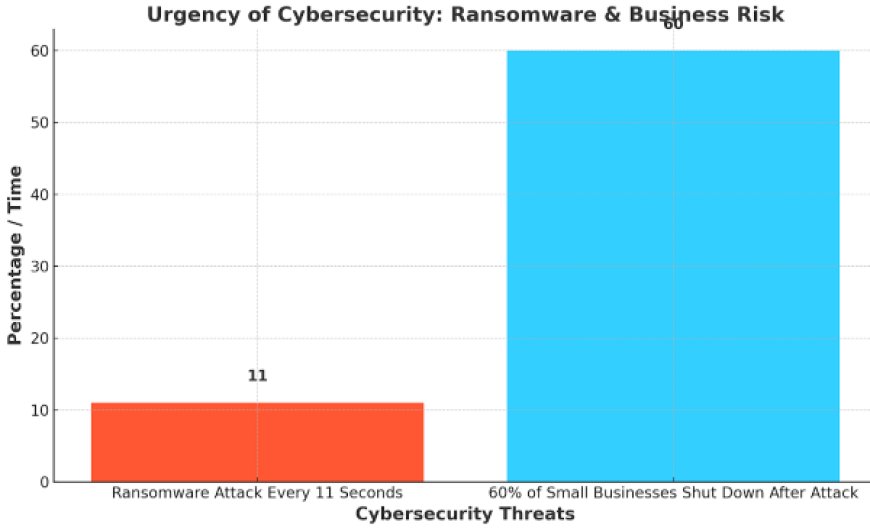
According to a report by Cybersecurity Ventures, a business falls victim to ransomware every 11 seconds. In addition, it’s estimated that 60% of small businesses will shut down within six months of a cyberattack. These statistics highlight the urgency of protecting your business from evolving cyber threats. Penetration testing helps businesses stay one step ahead by identifying weaknesses in their systems before hackers can exploit them. By focusing on the phases of penetration testing, businesses can enhance their defenses and protect their valuable data.
GreenTech Manufacturing, a company that produces and sells eco-friendly industrial equipment, was expanding rapidly and needed to ensure that its internal systems and customer data were secure. With increasing reliance on digital platforms for sales, GreenTech recognized the growing risk of cyberattacks, particularly after hearing about multiple incidents in the manufacturing sector involving ransomware attacks.
To safeguard their operations, GreenTech decided to undergo penetration testing to assess vulnerabilities across their network. The cybersecurity team conducted a comprehensive test following the phases of penetration testing. During the reconnaissance phase, the team discovered several security gaps in the company’s outdated ERP system and weak firewalls. The exploitation phase revealed that an attacker could gain access to confidential supplier contracts and financial records.
Based on the results, GreenTech made significant improvements: they updated their software to patch vulnerabilities, upgraded their firewalls, and implemented more robust encryption protocols.
What is Penetration Testing?
Penetration testing, also known as ethical hacking, involves simulating an attack on a computer system, network, or web application to identify vulnerabilities that a cybercriminal might exploit. Penetration testers, or ethical hackers, follow a structured methodology known as the phases of penetration testing. These phases help ensure a comprehensive and effective security evaluation.
Phases of Penetration Testing
Penetration testing involves several critical phases that help businesses identify weaknesses in their cybersecurity infrastructure. Let’s break down each phase:
-
Planning and Scoping
The first phase of penetration testing is planning. During this phase, the scope of the test is defined, and the objectives are set. This includes identifying the target systems, networks, and applications that will be tested, as well as any limitations or restrictions on the test. It’s also important to determine the testing methods to be used, such as black-box (no prior knowledge of the system), white-box (full knowledge of the system), or grey-box (partial knowledge).
-
Information Gathering (Reconnaissance)
The next phase, known as information gathering or reconnaissance, involves collecting as much information as possible about the target system. This phase is crucial for understanding the layout of the system and identifying potential entry points. Penetration testers use both passive and active methods to gather data. Passive methods include searching publicly available sources like social media or websites, while active methods involve scanning the system for vulnerabilities and weaknesses.
-
Vulnerability Analysis
In this phase, the penetration testers analyze the gathered information to identify security weaknesses. These vulnerabilities may include outdated software, unpatched systems, or weak passwords. Vulnerability scanning tools are used to detect known vulnerabilities, and the testers may also search for configuration issues, poor coding practices, or access controls that could be exploited.
-
Exploitation
The exploitation phase is where the actual "penetration" occurs. Testers attempt to exploit identified vulnerabilities to gain unauthorized access to systems, applications, or networks. The goal is to determine how far a hacker could go once they’ve gained entry into the system. This phase simulates a real-world cyberattack, but instead of causing harm, it is done in a controlled, ethical manner to identify weaknesses before real hackers can take advantage of them.
-
Post-Exploitation
After successful exploitation, the next step is post-exploitation. In this phase, the penetration testers determine the extent of the damage that can be done once access is gained. Testers try to escalate their privileges and move laterally within the system to access more sensitive data or critical systems. This phase helps businesses understand the potential consequences of an attack, such as data theft, financial loss, or service disruption.
-
Reporting
The final phase involves documenting all findings, vulnerabilities, and exploits. The penetration testing report provides a detailed overview of the test, including a description of the methods used, vulnerabilities found, and how those vulnerabilities could be exploited. The report also includes recommendations for remediation and mitigation steps to improve security. A comprehensive report allows businesses to prioritize fixes and make informed decisions on strengthening their security posture.
Why Businesses Should Implement Penetration Testing

The phases of penetration testing offer several benefits to businesses:
-
Identify Vulnerabilities Before Hackers Do
Penetration testing helps businesses proactively discover vulnerabilities before cybercriminals can exploit them.
-
Improve Risk Management
By identifying weaknesses in the system, businesses can prioritize mitigation efforts to reduce risk and improve security measures.
-
Enhance Customer Trust
Businesses that undergo penetration testing and address vulnerabilities demonstrate a commitment to data security, which increases customer trust and satisfaction.
-
Compliance with Industry Standards
Many industries require regular penetration testing to comply with security regulations. Penetration testing helps businesses meet these requirements and avoid legal consequences.
The phases of penetration testing are essential for businesses looking to enhance their cybersecurity defenses and protect sensitive data. By simulating real-world attacks and identifying vulnerabilities before they can be exploited, businesses can significantly reduce the risk of cyberattacks. Investing in regular penetration testing not only helps secure systems but also fosters trust with customers and ensures compliance with industry standards.
Don’t wait until it's too late, ensure your business is secure! Partner with our expert cybersecurity team for comprehensive penetration testing. Contact us at [email protected] to get started today!